
Redefining Socializing: Different Ways to Connect and Create Healthier Party Experiences
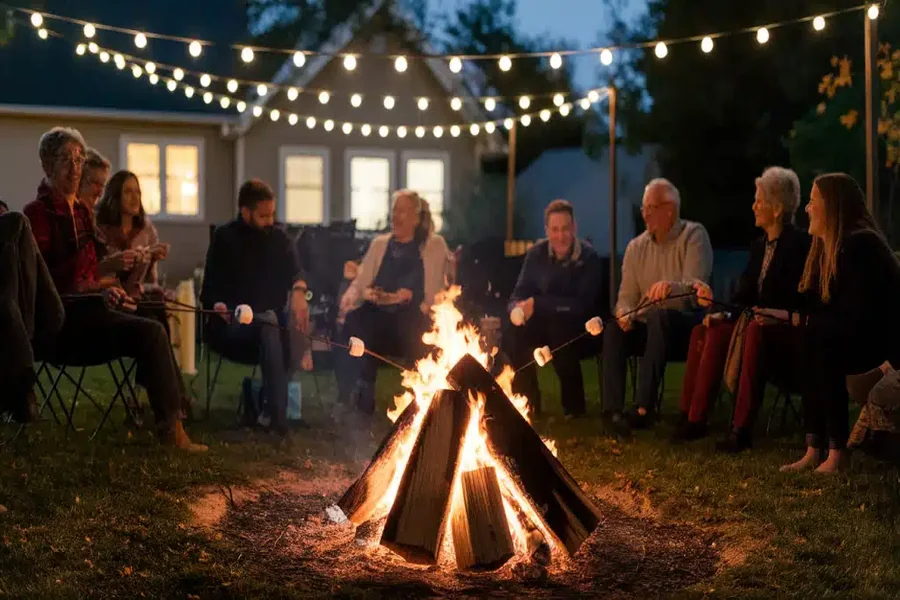
Socializing has always been an important part of human connection. Whether it is a small dinner with friends, a birthday celebration, a networking event, or a large party, gathering with others helps people build relationships, share experiences, and create memories. However, modern socializing is changing. More people are becoming aware that having fun does not need to involve excessive drinking, unhealthy habits, or feeling exhausted afterward. Instead, many are exploring new approaches to parties that focus on connection, creativity, wellness, and balance.
The Evolution of Socializing in Modern Culture
For many years, parties were often associated with late nights, alcohol consumption, and behaviors that could negatively affect physical and mental health. While these traditions remain part of many social scenes, there is a growing shift toward more mindful ways of celebrating. People are increasingly interested in experiences that allow them to feel energized, present, and comfortable rather than relying on habits that may leave them feeling drained.
This does not mean socializing has become less exciting. Instead, it has expanded to include more diverse options. From wellness-focused gatherings and outdoor activities to creative workshops and alcohol-free events, people are discovering that meaningful connections can happen in many different environments.
The modern approach to socializing is less about following one specific idea of what a party should look like and more about creating experiences that suit different personalities and lifestyles. Some people enjoy large celebrations with music and dancing, while others prefer intimate gatherings where conversations take center stage. The key difference is that people are becoming more intentional about how they spend their time and what makes them feel genuinely connected.
Choosing Activities That Encourage Connection
One of the healthiest approaches to socializing is focusing on activities that naturally encourage conversation and participation. Traditional parties often center around standing around with drinks, but modern gatherings can include experiences that bring people together.
Cooking nights, game evenings, art classes, hiking groups, dance workshops, and themed dinners are examples of social activities where the focus is on interaction rather than consumption. These types of events help guests engage with each other more deeply and create shared memories through experiences.
Even traditional celebrations can be adapted. A birthday party can include group activities, a creative cocktail-making station with alcohol-free options, or outdoor entertainment. By adding structure and activities, hosts can create an atmosphere where guests feel included and involved.
Experiential events are also becoming increasingly popular because they give people something to talk about beyond the party itself. Learning a new skill together, exploring a new location, or participating in a shared challenge can strengthen friendships and create lasting memories.
Being More Mindful About Alcohol Consumption
Alcohol has traditionally played a major role in many social settings, but more people are becoming aware of how excessive drinking can affect their health, mood, sleep, and relationships. Making mindful choices does not mean avoiding social events; it means finding a balance that allows people to enjoy themselves without negative consequences.
Simple strategies can make a difference. Alternating alcoholic drinks with water, setting personal limits before attending an event, eating a balanced meal beforehand, and choosing lower-alcohol or alcohol-free options can help people stay in control.
Many guests are also exploring alternatives that fit a more health-conscious lifestyle. For example, some social occasions now include creative non-alcoholic beverages, functional drinks, and cannabis drink mixers as an alternative to traditional alcohol-based beverages for adults who are looking for different ways to enjoy social occasions while approaching drinking habits more mindfully. These options allow people to participate in the ritual of having a special drink while exploring a wider range of choices that align with their personal preferences.
The growing interest in alternative beverages reflects a wider cultural change. People are increasingly looking for ways to socialize that support their overall well-being while still allowing them to enjoy celebrations, gatherings, and shared moments with friends.
Creating Inclusive Party Environments
A successful party is one where guests with different preferences and lifestyles feel comfortable. Not everyone enjoys drinking, staying out late, or participating in the same activities, so thoughtful hosts are creating more inclusive celebrations.
Offering a variety of drink choices, including non-alcoholic options, providing comfortable spaces for conversation, and avoiding pressure around drinking can make events more enjoyable for everyone. A guest who chooses not to drink should feel just as welcome as someone who enjoys a cocktail.
Inclusivity also means recognizing different social personalities. Some people thrive in large groups, while others prefer smaller gatherings. A well-designed event can include both lively areas and quieter spaces where guests can connect in ways that feel natural.
Modern hosts are also becoming more aware of accessibility and comfort. This may include choosing venues that accommodate different needs, planning events at reasonable times, and creating environments where guests can participate without feeling pressured to behave in a certain way.
Avoiding Unhealthy Party Behaviors
While parties are meant to be enjoyable, certain behaviors can negatively impact physical and emotional well-being. Recognizing unhealthy patterns is an important step toward creating better experiences.
One common issue is using substances or excessive alcohol as the main way to relax, socialize, or feel confident. Developing other ways to connect, such as conversation skills, hobbies, and shared activities, can reduce dependence on these habits.
Another unhealthy behavior is ignoring personal limits. Staying awake far beyond a comfortable schedule, skipping meals, or repeatedly attending events that leave someone feeling stressed or exhausted can affect overall wellness. Learning when to take breaks, leave an event, or choose a quieter activity is part of maintaining balance.
Social pressure can also influence people’s choices at parties. Feeling obligated to drink more, stay longer than desired, or participate in activities that feel uncomfortable can take away from the enjoyment of an event. Healthy socializing involves respecting personal boundaries and allowing people to make choices that work for them.
The Future of Socializing
The future of socializing is likely to be more personalized and diverse. People are no longer defining a successful party only by how long it lasts or how much people consume. Instead, memorable events are increasingly measured by the quality of conversations, the experiences shared, and how guests feel afterward.
Healthy socializing is not about removing fun from celebrations. It is about expanding the definition of fun. Whether through creative activities, mindful choices, inclusive planning, or new approaches to traditional parties, people can enjoy meaningful connections while also supporting their well-being.
The best gatherings are those where people can laugh, communicate, and create memories while still feeling like themselves when the night ends. As social habits continue to evolve, parties may become less about excess and more about genuine connection, balance, and experiences that people truly enjoy.
As people continue redefining what it means to have a good time, the future of celebrations may focus less on expectations and more on authenticity. Could the next generation of parties be built around creativity, wellness, and deeper connections? Could social events become places where everyone feels comfortable making choices that reflect their own lifestyle? The way people answer these questions may shape the future of socializing for years to come.