
Redefining Luxury with Fixed Panel Shower Screen – Less Frame, More Style
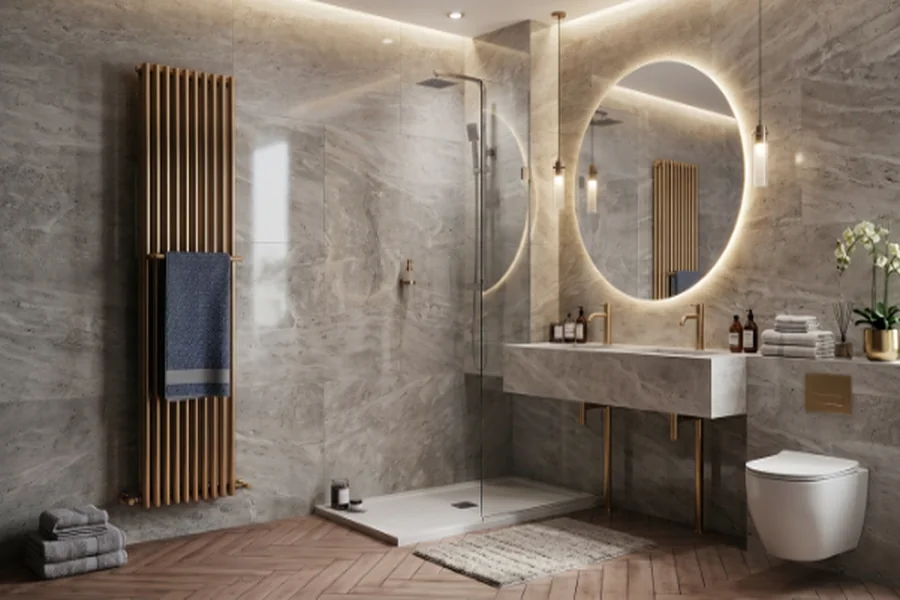
Modern bathrooms have shifted toward simplicity, openness, and functionality. Bulky shower enclosures are gradually giving way to sleek glass designs that make bathrooms feel larger and brighter. Among the most popular solutions is the fixed panel shower screen, a minimalist option that balances aesthetics with everyday practicality.
Instead of enclosing the entire shower, a single glass panel creates a protective barrier while maintaining an open layout. This design has become increasingly popular in contemporary American homes because it reduces visual clutter, improves accessibility, and complements virtually every interior style. Whether incorporated into a compact guest bathroom or a spacious luxury ensuite, this style delivers a clean architectural appearance without sacrificing performance.
Understanding how these shower screens function, what materials they use, and how they compare to traditional shower enclosures can help homeowners make informed remodeling decisions.
Why Open Shower Designs Continue to Grow in Popularity
Bathroom renovations across the United States increasingly prioritize openness and natural light. Traditional framed shower doors often interrupt sightlines, making smaller bathrooms appear confined.
Open-concept shower layouts solve this problem by allowing uninterrupted visibility throughout the room. Glass reflects available light while preserving the overall design theme. Several factors contribute to the growing popularity of minimalist shower layouts:
- Better visual flow
- Easier cleaning routines
- Modern architectural appeal
- Improved accessibility
- Flexible design compatibility
Unlike heavily framed systems, a fixed glass partition becomes part of the room’s architecture rather than a separate fixture.
Understanding How Fixed Glass Panels Work
A stationary shower panel serves as a permanent barrier attached securely to one or more walls. Unlike swinging or sliding doors, the panel remains fixed in place while leaving an entrance opening for easy access. The concept is remarkably simple. Water is contained within the shower area through thoughtful placement, proper floor slope, and strategic showerhead positioning. Since there are no moving components, the design minimizes mechanical wear while maximizing durability.
This simple construction also eliminates many maintenance concerns associated with door hinges, rollers, and tracks.
Tempered Glass Provides Essential Safety
One of the defining features of quality shower glass is tempered safety glass. During manufacturing, glass undergoes specialized heat treatment that significantly increases its strength compared to standard annealed glass. If subjected to extreme impact, tempered glass breaks into small rounded pieces instead of dangerous sharp shards.
Most residential shower installations use glass ranging between 3/8 inch and 1/2 inch thick, depending on panel size and engineering requirements. Tempered glass also offers excellent resistance against:
- Daily temperature changes
- Moisture exposure
- Surface scratches
- Normal household impacts
Building codes throughout the United States commonly require safety glazing materials in shower installations because of these protective characteristics.
The Minimalist Appeal of Frameless Construction
Frameless shower systems have become synonymous with upscale bathroom design. Without heavy aluminum framing surrounding every edge, the glass itself becomes the focal point. Hardware remains intentionally subtle, allowing natural stone, tile, and decorative walls to remain highly visible. The result is a bathroom that feels:
- Brighter
- Larger
- More luxurious
- Less cluttered
Because visual interruptions are minimized, designers frequently recommend frameless systems when creating spa-inspired interiors.
How Bathroom Size Influences Shower Screen Selection
Room dimensions play a significant role when choosing any shower configuration.
Small Bathrooms
Compact bathrooms benefit from uninterrupted sightlines. A single stationary panel prevents the room from feeling enclosed while allowing natural and artificial light to circulate freely. The absence of swinging doors also eliminates clearance concerns.
Medium Bathrooms
Mid-sized bathrooms often strike the ideal balance between openness and splash protection. These layouts provide enough floor space to comfortably accommodate walk-in shower designs while preserving an airy atmosphere.
Large Bathrooms
Luxury bathrooms frequently incorporate oversized walk-in showers with expansive glass panels. Large-format porcelain tile, natural stone walls, and rainfall showerheads become prominent design features because the glass remains visually unobtrusive.
Water Containment Depends on Proper Design
Many homeowners initially wonder whether an open shower can effectively contain water. The answer largely depends on proper planning. Successful installations consider several important elements:
Showerhead Placement
Directing water away from the entrance opening dramatically reduces splashing.
Floor Slope
A correctly sloped shower floor channels water efficiently toward the drain before it reaches the bathroom floor.
Drain Position
Linear drains and center drains both support effective water management when installed correctly.
Panel Dimensions
Glass height and width should match the overall shower layout to achieve the right balance between openness and water containment. Professional planning ensures that aesthetics never compromise functionality.
Glass Coatings Make Cleaning Easier
Modern shower glass frequently includes protective surface treatments. These coatings help reduce mineral buildup by limiting how easily water adheres to the glass surface. Benefits often include:
- Reduced soap scum
- Less hard water spotting
- Easier routine maintenance
- Improved long-term clarity
While protective coatings don’t eliminate cleaning entirely, they significantly reduce the effort required to maintain a spotless appearance.
Hardware Plays a Bigger Role Than Many Realize
Although glass receives most of the attention, supporting hardware is equally important. Quality installations typically feature stainless steel or solid brass components engineered to resist corrosion in humid environments. Popular finish options include:
- Chrome
- Matte black
- Brushed nickel
- Polished nickel
- Brushed gold
Choosing finishes that coordinate with faucets, towel bars, and cabinet hardware creates visual consistency throughout the bathroom.
Design Flexibility Fits Nearly Every Interior Style
One reason glass shower partitions remain popular is their remarkable versatility. Modern homes often embrace clean lines and monochromatic color palettes, making frameless glass an obvious choice. Traditional bathrooms also benefit because clear glass allows decorative tile patterns, marble walls, and architectural details to remain visible.
Industrial-inspired interiors frequently combine black hardware with large-format glass, while coastal designs pair transparent glass with light-colored stone and natural textures. Rather than dominating the space, glass adapts to its surroundings.
Accessibility Advantages Support Universal Design
Accessible bathrooms increasingly favor open-entry shower concepts. Removing swinging doors creates wider entry points that improve maneuverability for people of different mobility levels. Designers working on aging-in-place renovations often incorporate features such as:
- Curbless shower entries
- Slip-resistant flooring
- Grab bars
- Built-in benches
- Handheld showerheads
These elements combine to create bathrooms that remain functional for many years without sacrificing visual appeal.
Comparing Open Panels to Traditional Shower Enclosures
Each shower style offers unique advantages depending on homeowner priorities. Traditional framed enclosures provide maximum water containment but include additional hardware that requires maintenance. Sliding doors work well where space is limited, although tracks can collect soap residue over time. Pivot doors offer wide access but require sufficient clearance for door movement.
A fixed panel shower screen appeals to homeowners who value simplicity, contemporary aesthetics, and low-maintenance design. With fewer moving parts, long-term upkeep becomes considerably easier while preserving an open, spacious atmosphere.
Common Glass Options Available Today
Clear glass remains the most widely selected option because it creates an unobstructed appearance. However, several alternatives accommodate different privacy and design preferences.
Low-Iron Glass
This premium glass minimizes the green tint found in standard glass, producing exceptional clarity.
Frosted Glass
Acid-etched or frosted finishes provide increased privacy while still allowing light transmission.
Tinted Glass
Gray, bronze, or other subtle tints complement certain architectural styles and interior color palettes.
Textured Glass
Patterned surfaces introduce decorative interest while obscuring visibility to varying degrees.
Each option offers unique visual characteristics without changing the overall functionality of the shower system.
Proper Installation Makes the Difference
Even premium materials cannot compensate for poor installation. Successful projects begin with careful measurements that account for wall alignment, floor levelness, and structural support. Installers also verify:
- Glass dimensions
- Hardware placement
- Waterproofing integrity
- Silicone sealing
- Structural anchoring
Long-Term Maintenance Is Surprisingly Simple
Routine care requires relatively little effort compared to many traditional shower systems. Using a squeegee after showering helps reduce water spotting before minerals can accumulate. Regular cleaning with non-abrasive glass cleaners preserves clarity while protecting specialized coatings. It’s also beneficial to periodically inspect silicone seals and hardware for signs of wear, ensuring the installation continues performing as intended. With consistent maintenance, quality tempered glass can maintain its appearance for many years.
Conclusion
Well-designed bathrooms blend beauty, functionality, and durability into a cohesive space that supports everyday living. Open glass shower layouts reflect this philosophy by creating brighter, more spacious environments without unnecessary complexity.
From tempered safety glass and corrosion-resistant hardware to thoughtful water management and accessible layouts, every component contributes to a shower that performs as well as it looks. As homeowners continue embracing timeless, low-maintenance design, glass shower partitions remain one of the most versatile choices for modern bathrooms, offering lasting value through simplicity, strength, and refined architectural style.