
How to Prepare a Home for Unexpected Repair Situations
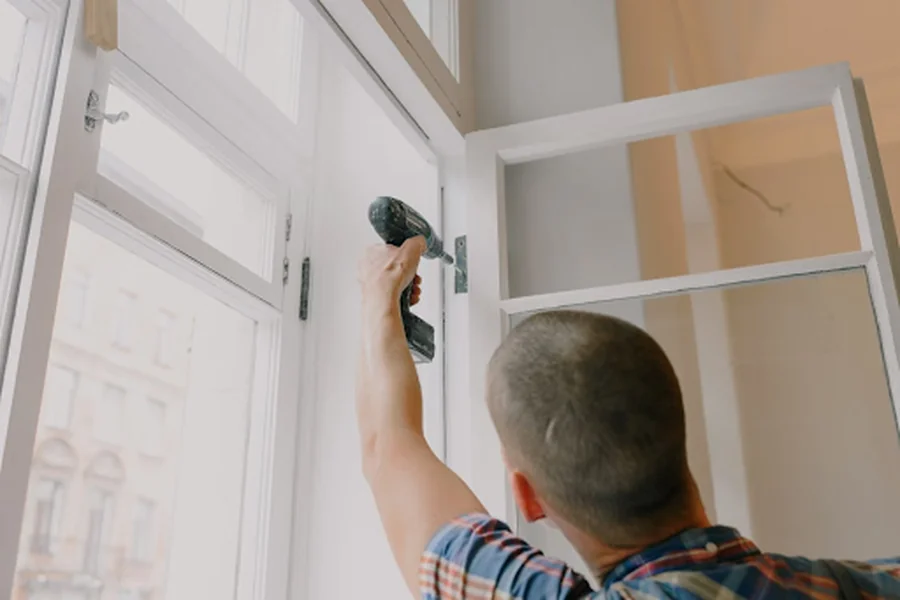
Home repair emergencies are the worst
They arrive unannounced, they’re expensive and they catch you completely off-guard when you need assistance. Luckily,…
Arm yourself with the right knowledge before disaster strikes. Whether it’s ruptured pipes or a failed water heater, a little advance preparation can save you thousands of dollars – and countless headaches.
Let’s jump in!
Here’s what’s coming up:
- The Real Cost of Home Repair Emergencies
- Warning Signs You Should Never Ignore
- Building a Simple Emergency Repair Kit
- When to Call a Residential Plumber
- Smart Ways to Prepare Financially
- Keeping Good Home Records
The Real Cost of Home Repair Emergencies
Most homeowners don’t realise just how expensive an unexpected repair can get.
According to a recent survey by American Home Shield, 87% of homeowners dealt with some sort of home problem in the last year that required a professional. It also doesn’t stop there… over 33% couldn’t cover an unexpected repair that cost more than $1,000.
That’s a huge chunk of homeowners caught totally off guard.
Emergency plumbing situations will typically be the most expensive ones of all… Currently, emergency plumber costs range from $100 to $500 per hour, with the average rate being $170/hr. One leaky burst pipe or overflowing toilet has the potential to change your peaceful night into a $1,000 disaster.
So how do you avoid this?
Be prepared before disaster happens. This means saving the number of a trusted residential plumber on your phone and knowing where to locate emergency plumbing support before something ever happens. Half the battle is knowing who to call second things start leaking.
Warning Signs You Should Never Ignore
Most repair emergencies don’t happen out of nowhere.
Warnings signs are usually present, but are often ignored or put off by homeowners. If you catch them early, the difference can be a $200 repair versus a $3,000 catastrophe.
The most common warning signs to watch for:
- Slow drains that keep coming back
- Water stains on walls or ceilings
- Weird noises coming from your pipes or water heater
- Sudden jumps in your water or energy bill
- Low water pressure across the house
Sure, any one of these could seem minor. But ignored they become crises almost overnight. The EPA says the average household wastes 9,300 gallons of water per year from leaks.
Fixing a small drip today can save you a flooded basement tomorrow.
Build a Simple Emergency Repair Kit
Every home should have a basic emergency kit for quick fixes.
You do not have to be an expert to fix minor problems. The proper equipment allows you to contain an issue until on-site professionals can arrive.
Your emergency kit should include:
- An adjustable wrench and pipe wrench
- A plunger (both flat and flange styles)
- Waterproof tape and pipe repair clamps
- A bucket and a few old towels
- A flashlight with extra batteries
- Your main water shut-off location marked clearly
Speaking of shut-off valves…
Every homeowner should know where the main water shut-off valve is located. Lack of this one piece of knowledge can cause hundreds, even thousands of dollars in damage in minutes.
Periodically check the valve operation, every few months or so. There’s nothing like needing it and having it freeze up on you.
When to Call a Residential Plumber
Some jobs are just not DIY jobs.
Repairing them yourself can void warranties, cause more damage, or in worst case scenarios, put your family in danger. Well, when do you know it’s time to call a residential plumber? Homeowners can prepare for unexpected repair situations by researching reliable service providers in advance and keeping their contact information readily available. To learn more about available services and professional assistance, visit their website for additional information.
Call a pro right away for:
- Burst or frozen pipes
- Sewer backups or foul smells
- No hot water anywhere in the house
- Major leaks you can’t stop at the shut-off valve
- Gas line issues near your water heater
Delaying any of these almost always makes them worse.
Industry insights from Hippo reveal 37% of homeowners paid over $500 on their most recent plumbing emergency – which only continues to rise the longer you wait.
Wait until the water isn’t ankle deep. If it appears severe, call a residential plumber immediately.
Smart Ways to Prepare Financially
Here’s something not talked about enough…
Most people aren’t prepared for the expense of a repair emergency. As mentioned previously, more than one-third of Americans wouldn’t be able to pay for a $1,000 emergency. And that’s just an average expense.
So how do you get ready?
Start with these simple steps:
- Build a repair fund with 1-3% of your home’s value each year
- Review your homeowner’s insurance policy annually
- Get familiar with what your policy covers (and what it doesn’t)
- Keep a small emergency credit line as a backup
- Get quotes from 2-3 local pros before an emergency ever hits
Financial advisors suggest saving each month for emergencies, like home repairs. Setting aside $50-100 bucks a month can build up fast. You’ll be glad you did if an emergency happens.
Keeping Good Home Records
This one is often overlooked.
Maintaining good documentation of your home systems can pay huge dividends when an emergency strikes. Here’s what a technician will want to know when they arrive:
- The age of major appliances and systems
- Past repairs and warranty information
- Model numbers and serial numbers
- Who did the last repair (and their contact info)
Put all of this into a folder. Either real or electronic that you can easily access.
It saves time and money, and allows the professional to fix it sooner. Another huge benefit is when you go to sell your house, your detailed repair history can increase your value and reassure your buyers.
The Bottom Line
Don’t procrastinate when preparing your home for repair emergencies.
Repairs continue to grow in cost year after year. It’s the homeowners who prep that walk away unscathed. Those who don’t are left with astronomical bills, unnecessary stress, and damage that could have been prevented.
Here’s a quick recap:
- Watch for warning signs early
- Keep a basic emergency kit ready to go
- Know exactly where your shut-offs are
- Set up a monthly repair fund
- Save contact info for local pros before you need them
Don’t wait for an emergency to happen before you prepare. Spending a little time preparing now can save you tens of thousands of dollars down the road – not to mention give you peace of mind that no matter what happens, you are ready.