
Important Steps To Take After A Car Accident In Nevada
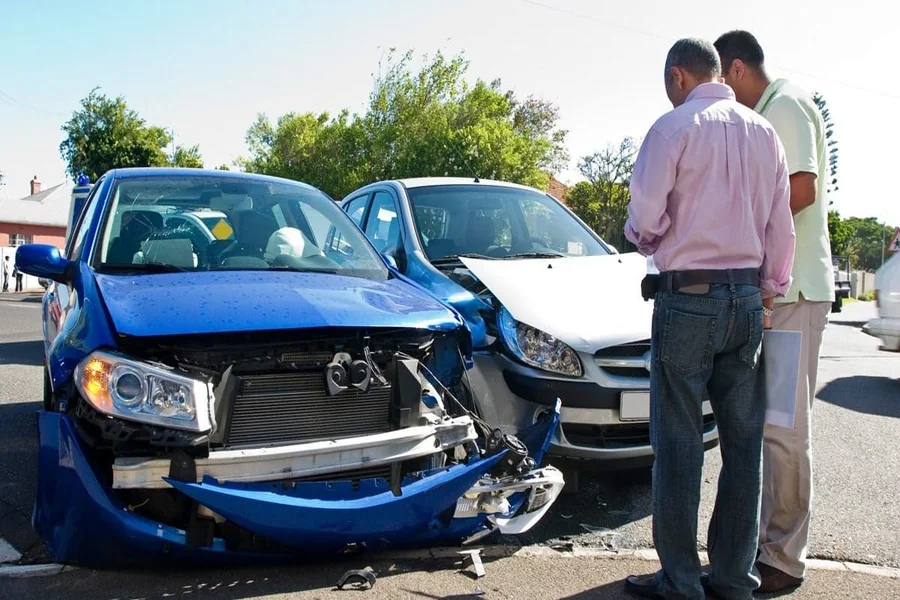
The first minutes after a crash rarely feel clear. Your hands may shake, your mind may race, and even a minor collision can leave you replaying the sound of impact long after the cars stop moving. In that state, simple choices can feel hard. Knowing what to do after an auto accident can help you protect your health, your rights, and your finances, and you need to do it before the insurance calls start and before details fade.
Important Steps To Take After A Car Accident In Nevada come down to a few priorities. Get to safety, get medical care, document what happened, and report the crash when the law requires it. If injuries, fault disputes, or insurance delays show up, legal help can keep a bad situation from getting worse. That is the short version, and it matters because the hours after a wreck often shape everything that follows.
Nevada car accident steps start with safety and documentation
If you can move safely, get your vehicle out of traffic and check for injuries. Call 911 when anyone is hurt, when the scene is unsafe, or when drivers cannot exchange information calmly. Nevada drivers also have reporting duties after certain crashes, and the rules are laid out by the Nevada traffic laws and accident reporting guidance.
At the scene, exchange names, contact details, insurance information, and plate numbers. Take photos of vehicle damage, skid marks, traffic signs, debris, road conditions, and visible injuries. If there are witnesses, get their names and numbers. People leave quickly, memories blur, and what felt obvious at the scene can turn into a dispute a week later.
You do not need to argue about fault on the roadside. That usually backfires. A simple statement of facts is enough. If the other driver is angry, apologetic, or trying to settle in cash on the spot, stay calm and keep gathering information. A cash offer can look easy in the moment, then medical symptoms show up two days later and the real cost becomes clear.
The cost of waiting after a crash often shows up later
Some injuries do not hit right away. Neck pain, back strain, headaches, and concussions often build over hours or days. If you skip medical care because you think you are fine, the insurance company may later argue that you were not hurt in the crash. That gap between the accident and the first treatment becomes a problem, even when the pain is real.
The same is true with paperwork. Nevada may require you to file a Report of Traffic Accident if the crash caused injury, death, or property damage over a certain amount and law enforcement did not file a report. The state form is available here: Nevada SR 1 accident report form. Missing that step can create extra stress when you are already dealing with repairs, medical visits, and time away from work.
Then the insurance process starts. Adjusters may sound helpful, but their job is to evaluate and limit payouts. You may be asked for a recorded statement before you know the full extent of your injuries. You may get a quick offer that covers the car and little else. If the crash left you unable to work, facing treatment, or arguing over fault, those early conversations carry more weight than most people expect.
Handling a claim alone and getting legal help lead to different risks
| Issue | Handling the claim on your own | Working with a personal injury lawyer |
|---|---|---|
| Medical evidence | You collect records yourself and may miss links between treatment and the crash | Records, bills, and provider opinions are organized to support the claim |
| Fault disputes | You respond directly to insurer arguments and witness conflicts | Evidence is reviewed with a strategy for comparative fault issues |
| Settlement offers | Early offers may look fair before future care or lost wages are known | Damages are valued with a fuller picture of current and future losses |
| Deadlines and forms | You track reporting duties and claim deadlines on your own | Procedural steps are managed so avoidable mistakes do not hurt the case |
| Stress load | You handle calls, documents, and negotiations while recovering | You can focus more on treatment and daily life |
This does not mean every fender bender needs a lawsuit. Some property damage claims are straightforward. The risk rises when there is an injury, unclear fault, an uninsured driver, or pressure to settle fast. Those are the cases where steps after a car accident need to be deliberate, not rushed.
Three actions to take right away after a Nevada crash
- Get checked by a medical professional. Even if you walked away, get evaluated the same day or as soon as possible. Follow treatment instructions and keep every record, bill, prescription, and visit summary. Pain that seems minor on day one can turn into weeks of care.
- Build a file before details disappear. Save photos, the police report number, witness contacts, repair estimates, towing receipts, rental car bills, and notes about your symptoms. Write down what happened while it is still fresh. If law enforcement response is needed or you need agency contact information, the Nevada Department of Public Safety contact page is a useful starting point.
- Be careful with insurance communication. Report the crash to your insurer, but do not guess about injuries or accept a settlement before you know the full impact. If you are being blamed, pushed into a recorded statement, or offered a quick check, speak with a personal injury lawyer before you lock yourself into a weak claim.
The right support can protect your recovery and your claim
A crash can disrupt work, sleep, childcare, transportation, and your sense of calm. That disruption is real, even when the damage looks minor from the outside. What to do after a car accident in Nevada is not just about forms and photos. It is about giving yourself room to recover without losing ground financially or legally.
Take the next step as soon as you can. Get medical care, preserve the evidence, and get help if the claim starts turning against you. A personal injury lawyer can step in when the process stops feeling manageable and starts affecting your future.