
Key Benefits of Growing Plants in a Greenhouse
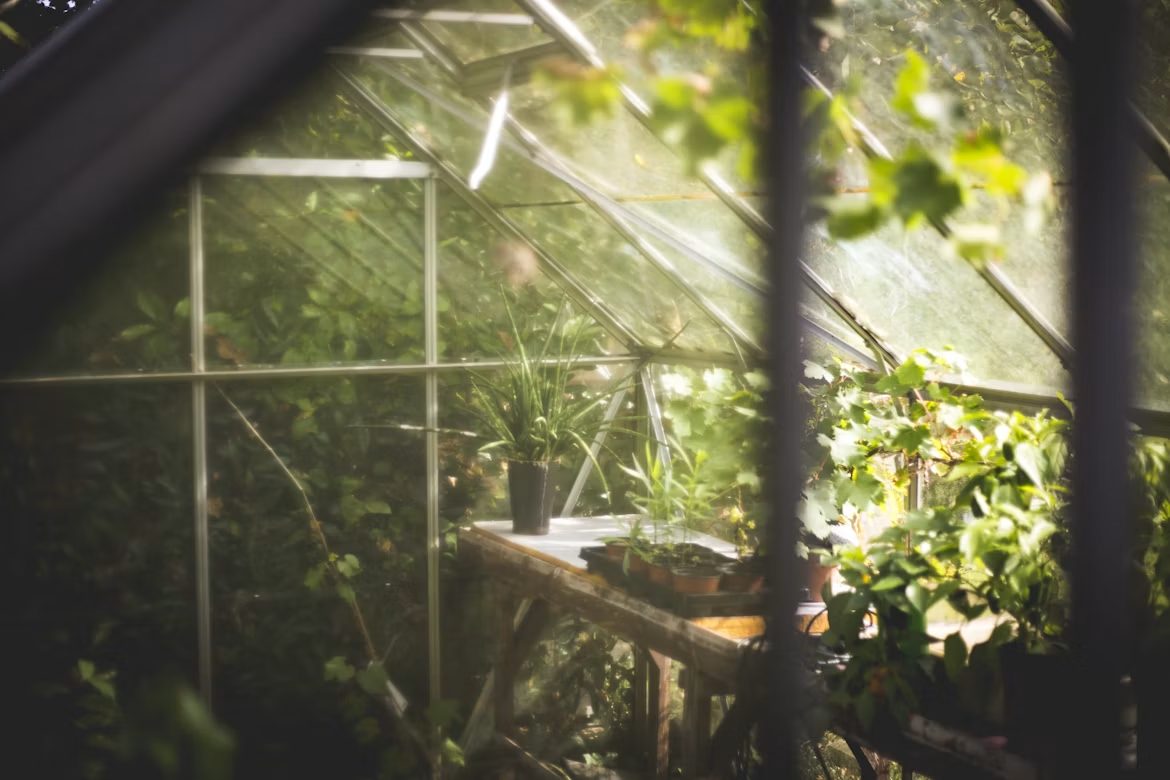
Whether you are a commercial farmer looking to scale your business or an enthusiastic hobbyist aiming to cultivate your favorite crops year-round, leaping into protected agriculture is a transformative decision. For generations, traditional farming has been dictated by the unpredictable whims of Mother Nature. Unseasonal frosts, devastating hailstorms, severe droughts, and sudden pest infestations have long plagued growers, threatening yields and profitability. However, the advent of greenhouse farming has fundamentally changed the agricultural landscape. By creating a controlled, optimized microclimate, growers can bypass many of the challenges associated with open-field farming. Understanding the key benefits of growing plants in a greenhouse can help you make an informed decision about upgrading your agricultural infrastructure.
Making the Investment Accessible
Although transitioning to controlled-environment agriculture offers immense long-term value, securing the upfront capital for durable facilities can present a significant hurdle. Fortunately, various federal programs exist to ease these initial financial burdens for qualified producers. By selecting high-quality greenhouse kits with NRCS funding support available, growers can dramatically offset construction expenses while ensuring their structures meet strict federal performance standards. Leveraging these financial opportunities makes modernizing your farm infrastructure far more attainable and cost-effective.
Unparalleled Environmental Control
One of the primary and most transformative benefits of utilizing a greenhouse is the ability to maintain absolute control over the growing environment. In an open field, plants are entirely at the mercy of localized weather patterns. Inside a greenhouse, you hold the reins. Modern structures allow you to regulate temperature, humidity, light exposure, and ventilation with remarkable precision. This consistency means you can tailor the internal climate to meet the exact biological needs of the specific crops you are cultivating. If you are growing heat-loving vegetables like tomatoes, you can retain solar heat to keep temperatures optimal. Conversely, shading systems protect delicate cool-weather crops from scorching summer heat. This environmental manipulation mitigates plant stress, leading to more robust growth.
Significant Extension of the Growing Season
For traditional farmers, the growing season is strictly defined by the dates of the first and last frosts. Greenhouses effectively shatter these limitations. By trapping thermal energy from the sun and utilizing supplemental heating systems if necessary, a greenhouse creates an insulated pocket that remains warmer than the outside air. This allows you to start seeds much earlier in the spring and continue harvesting well into the late autumn or even throughout the winter. Extending the growing season provides a massive competitive advantage for commercial growers, allowing them to bring fresh produce to market when local supply is nonexistent. This off-season availability often commands premium pricing. For the home gardener, it means a continuous supply of fresh food regardless of the weather outside.
Enhanced Pest and Disease Management
Pest control is an ongoing, frustrating battle for anyone who grows plants. Open fields are highly susceptible to invasions by aphids, caterpillars, beetles, and destructive grazing animals. A greenhouse acts as a formidable physical barrier against these widespread external threats. While no structure is entirely immune, the enclosed environment makes early detection and monitoring exponentially easier. Within this contained space, growers can deploy targeted integrated pest management (IPM) strategies, such as introducing beneficial insects like ladybugs or predatory mites, which significantly reduce the need for harsh chemical sprays.
Automated ventilation and precise drip irrigation keep foliage dry while regulating relative humidity. This microclimate control drastically reduces the incidence of devastating fungal diseases, such as powdery mildew, botrytis, and blight, that typically thrive in damp, stagnant outdoor conditions. Consequently, crops remain healthier while safeguarding surrounding ecosystems from synthetic pesticide runoff.
Increased Crop Yields and Superior Quality
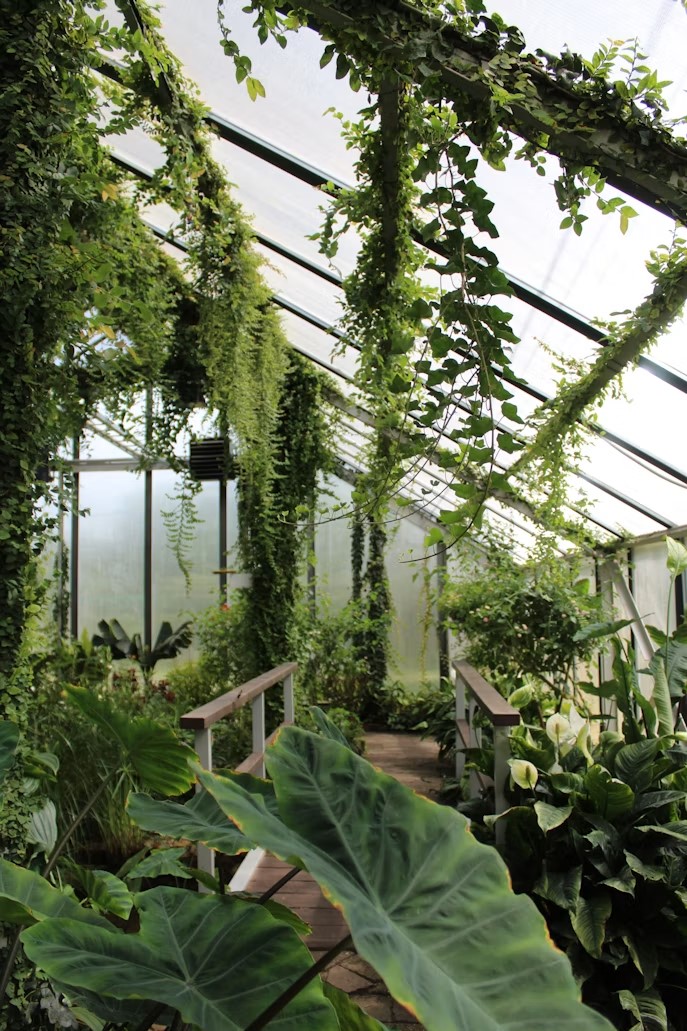
When plants are protected from the physical damage of heavy rains, high winds, and extreme temperature fluctuations, they dedicate all their energy to growth and fruit production rather than recovery. This optimized energy allocation directly translates into significantly higher crop yields per square foot compared to traditional field farming. Furthermore, the produce harvested from a greenhouse is typically of superior quality. Fruits and vegetables are shielded from dirt, debris, and cosmetic damage caused by adverse weather. The consistent environment ensures uniform growth, resulting in produce that is visually appealing, flavorful, and nutrient-dense. This boost in quantity and quality is a major driver for greenhouse adoption across the sector.
The shift towards greenhouse farming represents a strategic investment in the future of your agricultural endeavors. From offering unparalleled control over climatic variables and extending the growing season to enhancing pest management and maximizing crop yields, the benefits are comprehensive. Whether supported by institutional grants or self-funded, establishing a greenhouse equips you with the tools necessary to overcome the unpredictability of nature. Ultimately, it ensures a more consistent, sustainable, and profitable growing experience for years to come.