
How Long a Garage Door Actually Lasts in Utah’s High Desert
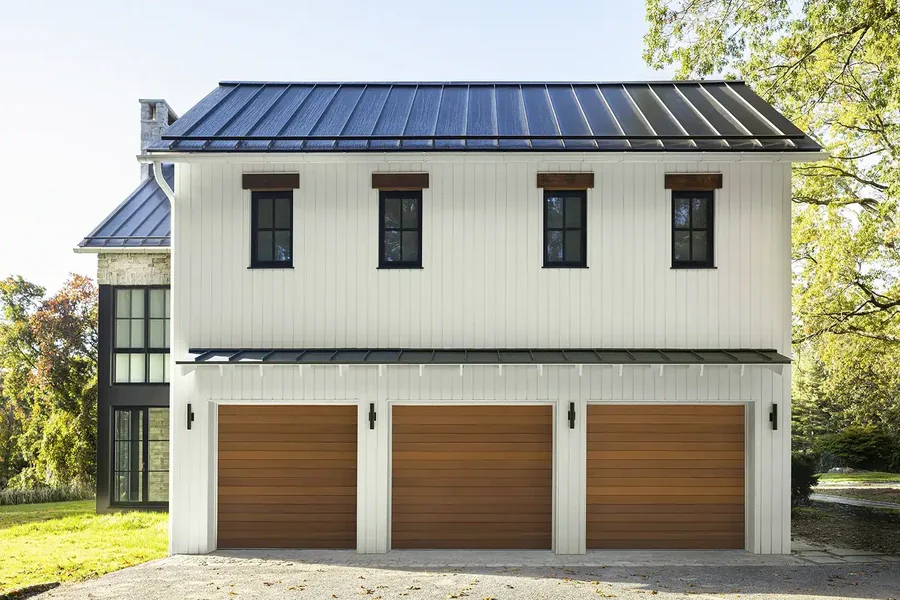
Twenty-two years. That’s the age of the door on my neighbor Dale’s house, and it still opens smooth as a bank vault, mostly because he’s obsessive about a spray can.
Doors three streets over from his place didn’t make it past eleven. Same town, same sun, same dust. So the honest answer to “how long does a garage door last” isn’t a single number, it’s a range, and where your door lands inside that range comes down to a handful of things you actually control. A door that gets opened four times a day in a household with two cars ages on a different schedule than one that runs twice a week. When something does give out, most people in this part of Utah end up calling a garage door repair beaver crew, because the nearest alternative is usually a drive down the interstate.
Below is what I’ve learned from watching doors die early here, what kills them, and the maintenance routine that keeps a good door running two decades instead of one.
What Actually Kills a Garage Door in the High Desert
Most people assume it’s the heat that does the damage. It’s not, not directly. It’s the swing.
Utah’s high desert runs a brutal daily temperature roller coaster. You’ll see afternoons in the nineties and nights that drop thirty degrees, and winter flips that same range below freezing. Metal expands and contracts with every one of those swings. So does the wood or composite in a carriage-style door. Over a few thousand cycles, that movement shows up as sagging panels, popped hinges, and rollers that no longer sit clean on the track.
Then there’s the dust. Fine desert grit gets into the tracks, mixes with whatever grease was there, and turns into an abrasive paste. Every time the door rolls over it, you’re sanding the rollers down a little. Steel doors survive this better than wood. Wood expands, absorbs, and cracks. That’s the whole story, really.
And the sun. West-facing doors here fade and chalk in a way that makes the paint supplier wince. That’s cosmetic until the finish fails entirely, at which point moisture gets under the paint and rust starts eating the bottom panel from behind.
How Long Should You Expect?
Here’s a rough breakdown by material and exposure, based on what I’ve watched happen around here rather than a manufacturer’s marketing sheet:
| Door Type | Shaded / Low Use | Full Sun / Daily Use | What Ends It First
|
|---|---|---|---|
| Steel, insulated | 20 to 25 years | 12 to 18 years | Bottom-panel rust |
| Steel, uninsulated | 15 to 20 years | 10 to 15 years | Denting, panel flex |
| Wood / composite | 15 to 20 years | 8 to 12 years | Cracking, paint failure |
| Aluminum | 15 to 20 years | 10 to 15 years | Dents, finish wear |
One thing worth separating out: the door itself and the opener have totally different lifespans. A quality opener is typically rated for a set number of open-and-close cycles, and a busy family can burn through that in under a decade. The door can still be perfectly fine while the motor is on its way out. Don’t replace a good door because the opener quit.
If you’re shopping for a new one, look for a door that carries a recognized product certification rather than trusting a sticker that just says “premium.” InterNACHI publishes consumer guidance on what to check in a garage door installation, and it’s a decent starting point before you sign anything.
A Spring Is Not a Door
This trips people up constantly. Your torsion springs are the parts under the most stress in the entire system, and they’re rated in cycles, not years. A standard spring might be rated for around ten thousand cycles. Open your door four times a day and you’re looking at roughly seven years before the spring reaches its limit. Open it twice a day and you get double that.
That’s not a manufacturing flaw. It’s just arithmetic, and it’s why spring replacement is the single most common garage door repair there is.
Symptoms to watch for: a loud bang from the garage, a door that suddenly feels impossibly heavy when you try to lift it manually, or a gap in the spring coil when you look at it from below. Stop using the door if any of those show up. Running an opener against a broken spring puts the whole load on the motor and the cables, and cables under that kind of strain can snap.
The Twenty Minute Routine That Doubles Door Life
This is the part Dale has been doing twice a year for two decades. It takes me about twenty minutes and a can of white lithium grease.
- Disconnect the opener first. Pull the release cord so the door is on manual before you touch anything.
- Wipe the tracks with a dry rag. Get the grit out before you add anything. Never grease the tracks themselves, that just collects more dust.
- Spray lithium grease on the hinges, the rollers’ bearings, and the torsion spring coils. Not the tracks. Not the rollers’ wheels, just the bearings.
- Look at every roller. A worn roller wobbles or has a flat spot. They’re cheap and they’re the easiest thing on the whole door to swap.
- Test the balance. Lift the door halfway by hand and let go. It should hold there. If it drops or rises, your springs are out of adjustment and it’s time for a professional.
- Check the weather seal along the bottom and the sides. Cracked rubber lets in dust, water, and every mouse in the county.
Do that in spring and again before the first freeze, and you’ll get years back.
What You Should Never Touch Yourself
I’ll be blunt about this one. Torsion springs are under enough tension to hurt you badly, and the tools required to wind them are not things you own. Same goes for cables and the bottom brackets. This is the line where DIY stops being thrifty and starts being a hospital visit.
Everything else on the list above is fair game. Rollers, hinges, seals, lubrication, opener programming, and remote batteries are all homeowner territory. The consumer safety guidance from the U.S. Department of Housing and Urban Development on residential door systems is worth a read if you want the official framing on what counts as a hazard.
Also, if your garage is attached and heated, or you’re using it as a gym or workshop, treat insulation as part of the door’s life rather than an upgrade. The Department of Energy covers how air sealing and insulation affect the conditioned space attached to your home, and a door that isn’t sealed is a hole in that wall.
When Repair Beats Replacement
Here’s my own rule of thumb, and I’ll defend it. If the door structure is sound and you’re looking at a single failed component, springs, opener, rollers, cables, repair wins almost every time. You’re out a few hundred dollars and the door keeps going.
Replace when you see rust through the bottom panel, panels that have separated from the frame, a door that’s been hit by a vehicle hard enough to rack the frame, or cosmetic failure so deep that refinishing costs more than the door is worth. Age alone isn’t a reason.
And on the schedule question: getting a pro out once a year for a tune-up is cheaper than one emergency spring call in January. Ask anyone who’s waited three days in a cold garage for a part to arrive.
The Short Version
A garage door in Utah’s high desert realistically runs ten to twenty-five years, and the difference between the low end and the high end is almost entirely maintenance and sun exposure. Springs and openers will fail before the door does. Keep the tracks clean, grease the moving parts twice a year, leave the springs to someone who knows what they’re doing, and a good door will outlast your mortgage.
When was the last time you actually looked at your rollers? Go pull the release cord and check. It takes two minutes, and it might save you a January morning standing in the cold.