
Exploring How Perfume Dupes Work as Affordable Alternatives to Luxury Scents
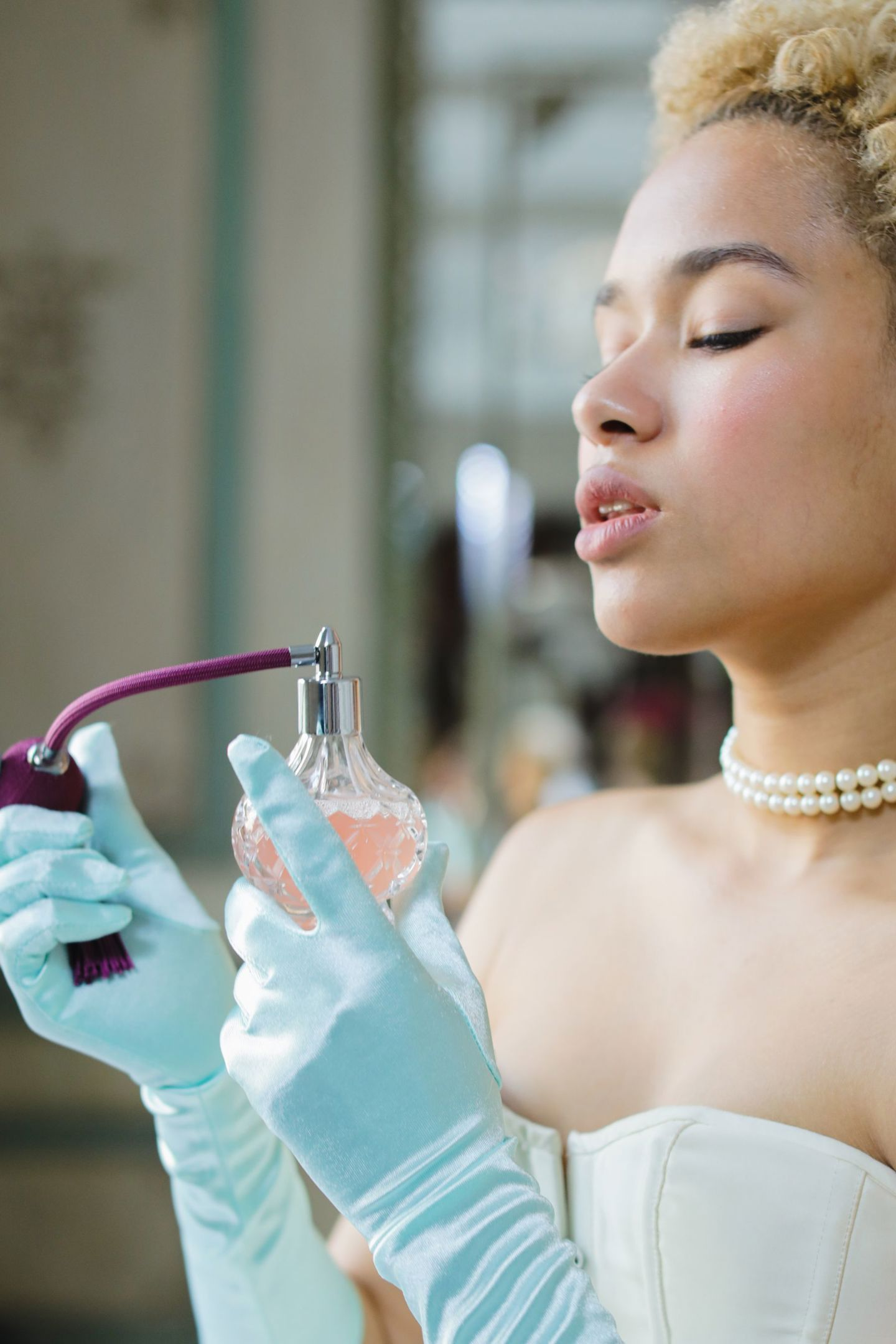
The desire to “smell expensive” has entered mainstream culture, driving a surge of interest in affordable fragrance alternatives. Perfume dupes offer a way for more people to access luxurious scents without high-end price tags. With care and knowledge, these alternatives can fit seamlessly into daily fragrance routines while reflecting changing global tastes.
“Perfume dupe” has become a buzzword among scent enthusiasts, and many consumers are seeking clarity on what it really means. As fragrance culture grows, more people want options that echo prestige aromas at a fraction of typical designer costs. Understanding how these alternatives are crafted and what distinguishes them from counterfeits helps ensure you make informed decisions about what you wear.
Understanding what defines a perfume dupe
A true perfume dupe aims to closely imitate the scent profile of a popular luxury fragrance without copying the original formula. Whether you want to smell like your favourite celebrity or recreate the experience of wearing a high-end fragrance, dupes can offer a similar scent without the luxury price tag. While they can smell remarkably similar to their inspiration, dupes are not counterfeits and typically avoid using misleading branding. Instead, they work through legal formulations and distinct packaging, emphasizing a similarity in experience rather than pretending to be the real thing.
In contrast, counterfeits intentionally misrepresent themselves as the luxury product, often infringing on logos and trademarks. Dupes also differ from “inspired by” fragrances, which may reference a general aroma family but are less precise in their mimicry. The main goal of a dupe is to deliver a recognizable impression, not to deceive buyers or violate intellectual property laws.
The process and artistry behind scent approximation
Perfumers developing dupes rely on their knowledge of aroma chemistry to reconstruct signature notes using available ingredients. For instance, if a high-end perfume’s heart features an expensive natural musk, a perfumer might use a synthetic musk with a similar olfactory profile to achieve the same effect. They might also observe the fragrance’s development stages: starting with a burst of pear and ambroxan in the opening, layered over clean musks and soft woods in the base, to mimic the way a luxury scent evolves.
Instead of replicating the formula, they adjust ratios, swap rare natural ingredients for synthetics, and fine-tune diffusion, which is how the scent projects from your skin. The quality of materials, skill in blending, and attention to the fragrance’s lifecycle all impact how convincing a dupe can be. Achieving a close match requires both technical expertise and creative thinking. During this process, some perfumers conduct side-by-side evaluations, wearing both the dupe and the original on separate wrists for a full day to assess similarities and differences in real time, including wearing them in varied conditions like humid weather or air-conditioned spaces.
Practical comparison: Performance and personal experience
When deciding if a dupe will work for you, start by comparing the scent profile side by side with the original. Assess how the notes evolve, placing special focus on longevity and sillage, which is the scent trail left behind. Even a close match may behave differently as it dries down, influenced by your unique skin chemistry, humidity, and other environmental factors. For example, the top notes may seem identical at first, but the dry-down can start to diverge after a few hours.
To evaluate performance, try applying both the original and the dupe to paper blotters as well as your skin. Record how they smell after 15 minutes, two hours, and at the end of the day to track longevity and dry-down. Checking the fragrances in different environments—like a warm outdoor setting versus a cool air-conditioned room—helps reveal how both respond to temperature. Keep notes on projection and sillage over time. Some consumers use the best Le Labo Another 13 dupe as a reference point when comparing against niche originals, noting distinctions in freshness, diffusion, and lasting power based on daily routines or specific events.
Safety, ethics, and knowing when to choose a dupe
Label reading is essential no matter what fragrance you choose. Many dupes include ingredient lists with common allergens such as limonene, linalool, or coumarin. If you have known sensitivities, consider patch testing a new scent before full wear or consult a clinician for guidance. Even affordable dupes often comply with common ingredient disclosures, but you should still scan for allergens or irritants to ensure comfort and safety. Batch changes may affect scent slightly, but price does not automatically imply risk, and reliable manufacturers may follow standard safety regulations.
The ethics of perfume dupes revolve around transparency and respect for creative ownership. Purchasing from makers who clearly market their alternatives, rather than pass off imitations as originals, safeguards both your experience and the spirit of fair competition. Dupes make sense for everyday wear, travel, or sampling new scent families before committing to a larger investment, letting fragrance be more accessible to broader audiences. This ongoing shift in preferences reflects the evolving landscape of luxury and expands what it means to enjoy personal scent in daily life.