
Orthoscan FD and the Growing Importance of Flat-Detector Mini C-Arms in Extremity Imaging
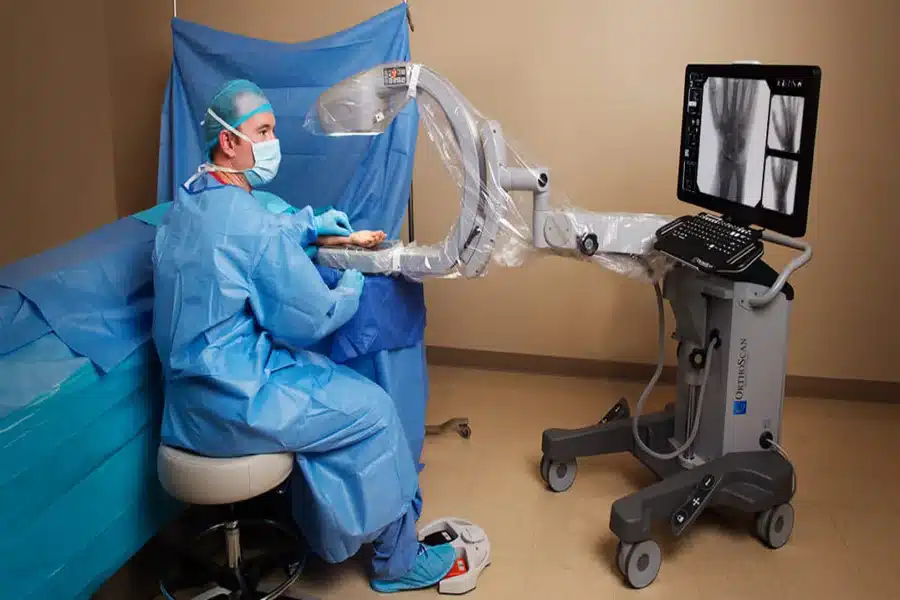
As orthopedic care becomes more specialized and outpatient-driven, imaging technology is being judged less by sheer breadth and more by clinical fit. Healthcare leaders are looking for systems that support focused procedures, move efficiently within tighter spaces, and align with the workflow realities of modern extremity care. That shift helps explain why flat-detector mini c-arms continue to attract attention across orthopedic surgery, sports medicine, and ambulatory settings.
The appeal is not simply about having a smaller fluoroscopy unit. It is about having a purpose-built imaging platform for hands, wrists, elbows, ankles, and feet that can support procedural flow without introducing unnecessary operational friction. In that context, systems such as the Orthoscan FD reflect a broader move toward imaging tools designed specifically for extremity-focused environments.
Why Flat-Detector Mini C-Arms Matter in Modern Extremity Imaging
For years, the value of a mini c-arm was often framed around portability and convenience. Those benefits still matter, but they no longer define the category on their own. Today, the more important question is whether an imaging system supports the case mix, room setup, and procedural pace of a specialized extremity practice.
That is part of why flat-detector systems changed the discussion. More providers now view imaging quality and workflow efficiency as connected priorities rather than separate considerations. For clinical buyers, the most relevant issue is not simply technical advancement, but whether a system is better matched to the practical demands of extremity imaging.
How Specialized Imaging Platforms Support Orthopedic Workflow
In high-volume orthopedic and sports medicine environments, workflow is rarely an abstract concept. It affects setup, positioning, sterile technique, image review, and the speed at which a surgeon can confirm alignment or hardware placement. Equipment that fits naturally into that process can provide value far beyond its spec sheet.
This is why specialized imaging platforms continue to gain relevance. A compact extremity-focused system can be valuable precisely because it is not trying to serve every possible use case. Instead, it is aligned with the settings where focused fluoroscopic guidance is used repeatedly and where room efficiency matters most.
That is where a platform like the Orthoscan FD Mini C Arm becomes part of a larger operational conversation. The real issue is not just what the equipment can do on paper, but how effectively it supports a smoother workflow in specialized care environments.
Why Outpatient Surgery Is Raising Expectations for Extremity Imaging
The rise of ambulatory surgery centers and office-based procedural care has changed what buyers expect from imaging equipment. In these settings, every square foot matters, room turnover matters, and ease of use matters. Systems that are difficult to position or poorly suited to the clinical environment can create bottlenecks that ripple throughout the day.
Extremity imaging sits directly inside that shift. As more procedures move into outpatient settings, imaging technology is increasingly being evaluated as part of a care model rather than as a standalone machine. Compact form factor, workflow support, and integration into focused procedural settings are now central to the buying decision.
Why Strategic Fit Matters More Than a Longer Features List
The most effective equipment decisions are rarely about the longest features list. They are about strategic fit: fit with the room, fit with the procedure mix, fit with clinician expectations, and fit with an organization’s growth plans.
This is especially true in extremity imaging, where a specialized system may create more value than a broader platform that is less aligned with day-to-day needs. In modern orthopedic and ambulatory care, practical usability often matters just as much as technical capability. The systems that create the most value are often the ones that make the clinical environment more efficient, not more complicated.
What Orthopedic and ASC Leaders Should Take Away From This Trend
Flat-detector mini c-arms matter because they reflect a more disciplined approach to technology adoption. Rather than assuming bigger or broader is always better, many organizations are investing in tools that better align with specialized service lines and more efficient care delivery models.
For orthopedic and ASC leaders, that makes extremity imaging a strategic category rather than a commodity purchase. The systems that stand out are often the ones that support focused care, efficient workflow, and confident intraoperative decision-making without overcomplicating the environment around them.
Why the Orthoscan FD Still Matters in Modern Extremity Imaging
As musculoskeletal care continues moving toward specialization, a flat-detector mini c arm machine is likely to remain central to conversations about imaging efficiency, workflow design, and outpatient readiness. Their importance lies not in novelty, but in how well they match the realities of extremity-focused practice.
That is the bigger reason systems like the Orthoscan FD continue to attract attention. They represent a category of imaging technology built around practical clinical demands, and that alignment is increasingly what healthcare organizations value most.