
How AI Is Making 3D Character Animation More Accessible to Creators
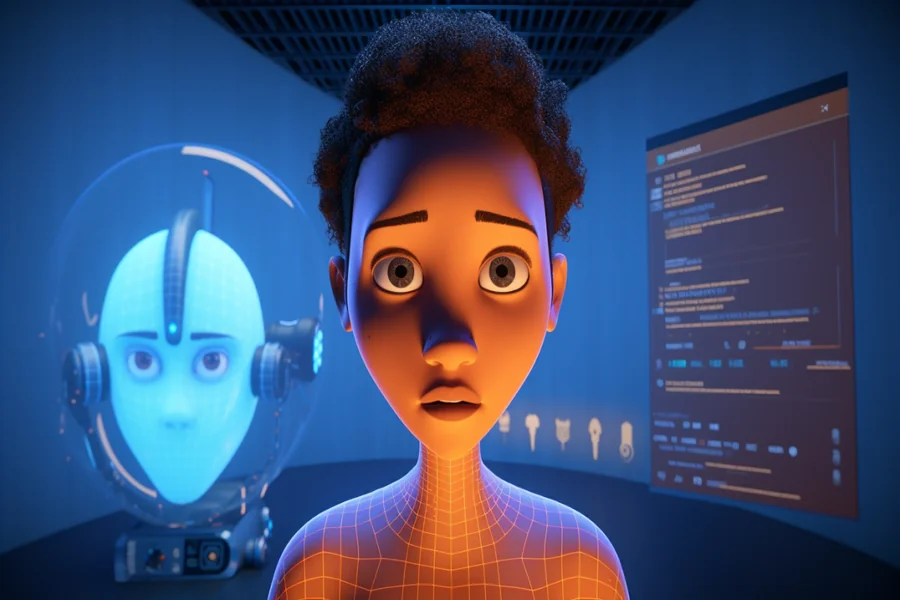
If you have ever tried making a 3D character – you probably know how many steps come before animation actually starts. First comes modeling. Then you need a rig. After that, you have to test the body before building any real movement.
For beginners, this setup can be difficult. AI is starting to remove some of these premature hurdles.
You can now get from an idea to a testable character much faster. The result will still need some work, but you do not always have to start from an empty scene.
Start With the Character Idea
Traditionally, you would build the full character inside 3D software. This will take time – especially when you are still learning topology and proportions. Now you can use Text to 3d to generate an early character model from a written description.
You can describe a tired shopkeeper wearing an apron. The system can give you a rough model that you can inspect and edit. This is useful during concept testing.
You can try several ideas without spending days modeling every version. The generated model will still need a lot of modifications, though. Hands can come out poorly shaped, clothing can overlap the body and the mesh may need cleanup. You can think of the result as a starting point.
Next, the Character Needs a Skeleton
A 3D model does not automatically know how to bend. Before you can animate it, you need bones inside the body. These bones control areas such as the arms, legs, spine, neck and hands.
Traditional rigging can take a lot of manual work. Someone has to place the joints, connect the mesh and check how each body part bends. If the weighting is wrong – the shoulder may collapse when the arm goes up. This is where AI rigging can help.
Research shown at Eurographics 2025 demonstrated automatic rigging across characters with different body structures. The system used only a few example poses to build usable character rigs.
You still need to test the result afterward. Automation can get you started faster, but it cannot predict every pose your character will need.
Test the Character Before Doing Serious Animation
Once the rig is ready – do not jump into a full scene immediately. Try simple actions first. Make the character raise both arms. Bend the knees deeply. Rotate the torso. Test a wide step. These movements expose problems very quickly.
You might discover that the jacket blocks the arms. The knees may bend badly. A shoulder could pinch during a large rotation.
Finding these problems now saves you trouble later. It is much easier to fix a rig before twenty animation shots depend on it.
AI Can Also Help You Start the Motion
The next step is movement. Traditional 3D character animation usually starts with keyframes. You choose important poses and place them at specific points in time.
Motion capture gives you another option by recording real human movement. AI gives you a third route. Some newer systems can generate movement from a written instruction. You can describe an action, then receive a rough motion that can be applied to a character.
A SIGGRAPH 2025 demonstration showed full-body animation generated from English prompts in about six seconds. The same work also showed motion being transferred across different 3D characters. This sounds impressive, but the first result is still a draft.
A walk might need heavier foot contact. A jump can be too abrupt. Hand gestures may need better timing. This is where the animator steps back in.
The Performance Still Comes From You
A computer can generate motion but it does not automatically know your character.
Now, think of two characters walking across the same room. One is angry. The other is nervous. They should not move in exactly the same way.
An angry character might use firmer steps and wider gestures. A nervous character might keep the arms closer and react more quickly. These choices are part of performance.
AI 3D animation can give you a starting movement, but you still decide how that movement should fit the character. This is one reason animators are still important.
You Do Not Need the Same Rig for Every Character
Another useful idea is to match the amount of work to the importance of the character. A main character shown close to the camera may need detailed facial controls. You may also need better deformation around the shoulders and hands.
A background character does not need the same level of detail. This is where modern animation tools can save a lot of production time.
You can use simpler automated setups for background characters. Your team can then spend more time on the characters that viewers will actually study closely. For smaller studios, this can make a big difference.
AI Makes Experimenting Easier
One of the biggest benefits is that creators can test ideas earlier. You can generate a rough model and rig it. Then you can add simple movement before spending days refining the design.
If the character does not work, you can change direction sooner. This is especially helpful for solo creators and students. You might be handling modeling, animation, lighting and editing yourself. Cutting down basic setup work gives you more time to learn the parts that really need attention.
The U.S. Bureau of Labor Statistics counted about 51,900 special effects artists and animators in 2025. It also expects roughly 4,200 openings each year through 2035.
The same agency notes that AI may speed up some production tasks. At the same time, employers still value portfolios and technical skills.
What Should You Still Learn?
AI can help you start faster, but you still need to understand what good animation looks like.
A useful learning plan includes these areas:
1. Learn how poses clearly show an action.
2.Study timing so movement has proper weight.
3. Understand how joints affect the surrounding mesh.
4. Check skin deformation before detailed animation starts.
5. Learn how camera angles change a pose.
6. Practice correcting generated movement instead of accepting it immediately.
These skills stay useful even when software changes.
The Real Change Is the Starting Point
AI is making the early stages of 3D character work easier to enter. You can start with a written idea, turn it into a rough model, prepare a rig, and test movement much sooner. This does not mean the computer finishes the job for you.
You still decide which design works and shape the performance. You still correct the parts that do not fit the scene. The biggest difference is simple.
You can get something moving much earlier, and that gives you more time to learn what actually makes a character work.