
Ergonomic Chair Demand Hasn’t Slowed Down Even Heading Into 2026
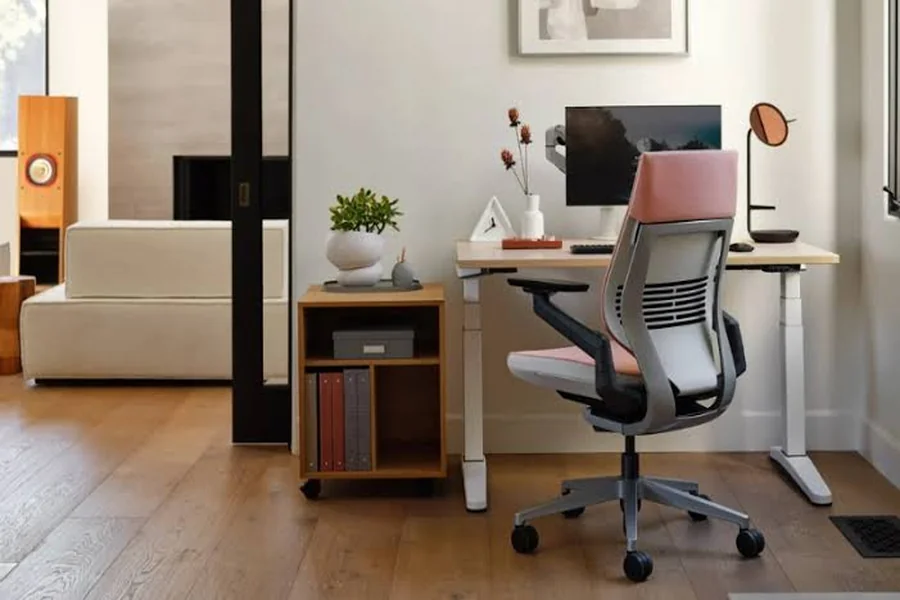
Office seating still sits near the top of most business priorities as the new year opens. Sales of ergonomic chairs remain healthy, pushed along by hybrid schedules and sharper awareness of posture-related health problems. Firms increasingly see supportive seating as a real investment, not a spare-change purchase. That steady appetite for well-built furniture remains strong as workplaces adjust to changing habits and higher expectations from the people who use them daily.
Why the Demand Keeps Climbing
A handful of reasons explain this ongoing pull toward better seating. Hybrid and remote setups have softened the boundary between home desks and corporate offices. Staff who spend long stretches seated want chairs that ease strain and cut down fatigue. Occupational health research ties weak seating to back pain, wandering focus, and slipping productivity across plenty of sectors.
Employers have picked up on these signals and moved fast. Plenty have swapped tired furniture for adjustable, body-conscious replacements. Sourcing the right office chair solutions for workplace comfort now counts as a sensible move for companies that respect staff well-being. Smart seating decisions tend to trim absenteeism, lift morale, and quietly tell workers that their employer pays attention to daily working conditions.
Health Costs That Businesses Can No Longer Ignore
Musculoskeletal disorders sit among the most frequently reported workplace injuries year after year. Some estimates put the price of back and neck trouble in the billions annually, counting lost output and medical claims together. Slumping over a desk for hours feeds those numbers, which nudges decision-makers to revisit how they spend on furniture.
The Productivity Connection
Comfortable staff hold their focus longer and move through tasks with less friction. Once physical aches fade, mental energy circles back to work that actually matters. A supportive chair helps keep the spine properly aligned, easing the small nagging distractions that quietly drain concentration across a packed workday.
What Buyers Look For in 2026
Shopping habits have grown noticeably more discerning over recent years. Basic cushioning no longer satisfies most purchasers. They now scrutinize adjustability, lumbar support, breathable fabrics, and lasting build quality well before signing off on anything.
Adjustability and Fit
Today’s buyers want chairs that flex around different body shapes. Seat height, armrest placement, and recline settings let each user tune the setup to suit them. Such versatility is especially important in shared spaces, where several colleagues may rotate through one workstation.
Material Quality
Breathable mesh and dense foam have gained a loyal following, and rightly so. These fabrics keep people cool during marathon sessions while holding their shape as months pass. Sturdiness feeds straight into value, since a solid chair holds up for years before showing any real wear.
Sustainability Enters the Conversation
Green thinking now colors plenty of purchasing choices. Businesses lean more toward furniture built from recycled or responsibly gathered materials. Makers have responded by introducing more earth-friendly ranges that still meet ergonomic standards without compromising comfort. This tilt mirrors wider corporate ambitions around responsible behavior and lighter waste.
Purchasers also warm to products that last, since replacing chairs less often cuts both spending and environmental strain. A hard-wearing, eco-minded seat addresses practical and ethical concerns at once, making it a straightforward choice for teams planning ahead.
Budgeting for Better Seating
Cost still matters, though the mindset around it has matured. Many firms now read quality seating as a way to save money rather than splurge. Budget chairs tend to wear out quickly, which quietly inflates long-run spending.
Careful planners tally the full cost across several years instead of fixating on the sticker alone. Spending well from the start often turns out cheaper, particularly once reduced health claims and stronger staff retention enter the calculation.
Conclusion
Appetite for ergonomic seating shows impressive durability as companies grasp its lasting payoffs. Health awareness, hybrid routines, and sustainability targets continue to stoke interest across nearly every field.
Firms that put supportive furniture first shield their people while sharpening productivity and lifting spirits. As the year rolls forward, this pattern looks well settled rather than fleeting. Wise seating choices should keep rewarding organizations ready to place honest value on comfort and long-term well-being.