
Chemical Peel in Singapore: How to Choose the Right Treatment for Your Skin Goals
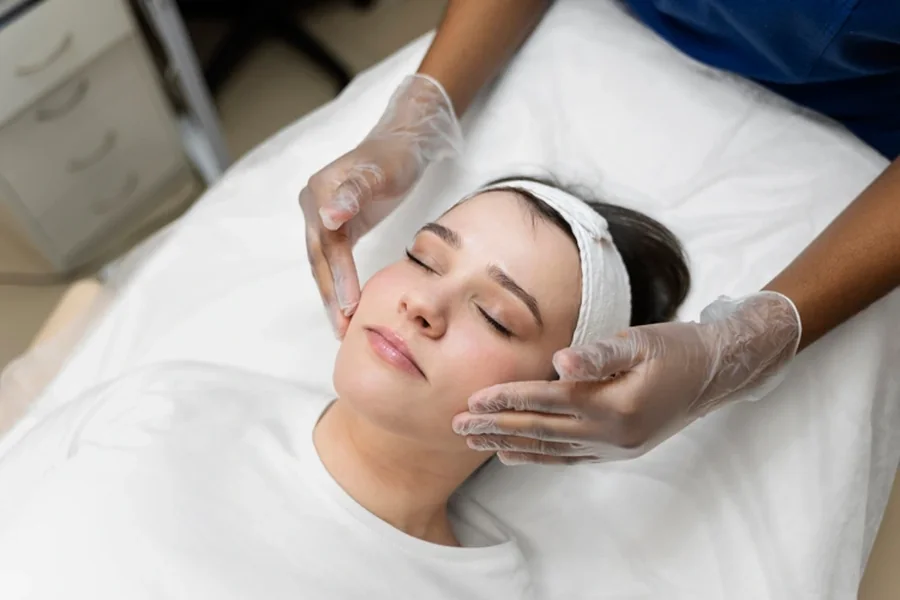
When you know what you want to improve, it’s easier to choose a professional skin treatment. There are several reasons for dullness, uneven pigmentation, acne, rough texture and fine lines and it may not be the same treatment approach for everyone. The controlled peeling off from chemical peels can be customized to treat a number of superficial skin problems.
If you are considering a chemical peel in Singapore, don’t be tempted to go for a treatment simply because it promises faster or stronger results. The appropriate peel will depend on your skin type, current skin condition, goals of treatment, past skincare treatments and tolerance for down time. A professional assessment can help you determine what formulation and depth of treatment make sense.
Start With Your Skin Goal First
The most important question is which peel is the most popular. This is what you want the treatment to do.
Chemical peels are used for acne, uneven pigmentation, melasma, rough skin, fine lines, sun damage and dull complexion in some cases. Chemical peels are one option dermatologists may use to improve these concerns, notes the American Academy of Dermatology.
For Dry / Rough Skin
A superficial peel might be considered if the main concern is dullness or uneven texture. These treatments generally target the top layer of the skin with less downtime.
You are looking for slow progress, not dramatic resurfacing. Depending on your skin and goals, a provider may recommend a series of treatments.
For Acne + Acne Marks
Some chemical peels are also helpful for acne because they encourage exfoliation and decrease the build-up that blocks pores. Chemical peels may also be used by dermatologists as part of a larger plan for acne scarring.
Acne scars, however, are not the same thing. A superficial discoloration left after acne is not the same as a deep, indented scar. Your provider should figure out what kind of scar you have before suggesting a treatment.
For Skin Discoloration
Chemical peels can be included in treatment regimens for some pigmentation concerns. Their use in melasma and other forms of hyperpigmentation has been studied with results depending on the treatment protocol and individual patient.
Pigmentation needs careful sun protection as well. Discoloration may recur or become more difficult to control without continued photoprotection.
Understand Peel Depth Before You Book
Chemical peels are classified as superficial, medium, and deep. Depth affects potential results, recovery period and risk profile.
Surface Chemical Peeling
Superficial peels target the outermost layer of skin. They can be indicated for minor textural irregularities, lack of even tone or brightness, some pigmentary problems and some types of acne.
During recovery, you can usually expect some temporary redness, scaling and dryness. According to the AAD, refreshing peels typically take about one to seven days to heal.
Medium Depth Chemical Peels
Medium peels penetrate deeper into the skin and can cause more dramatic change. They can be used by practitioners for deeper pigmentation, fine lines and select acne scarring.
More recovery equals stronger treatment. Medium depth peels have about seven to 14 days of healing listed by the AAD.
Aggressive Chemical Peels
Deep peels penetrate much deeper and require a lengthy recovery. They might bring more dramatic results but they also involve more potential risks.
A deep peel should not be the go to option automatically for most people who are seeking general skin brightening. The depth of treatment should be commensurate with the clinical goal.
Match the Treatment to Your Skin Type
Your skin type and history can affect how you react to a chemical peel. Patients prone to pigment changes need special attention to treatment depth and choice of formulation.
Why Your Skin Tone Matters
Certain procedures may also cause post-inflammatory hyperpigmentation, which is more common in people with darker skin tones. Chemical peels can be used on people with skin of color, but they should find a dermatologist experienced in treating darker skin tones, according to the AAD.
A provider should take into account your natural skin tone, history of pigmentation issues, current inflammation and treatment history before proceeding.
Look at Recent Skincare Treatments
Tell your provider about any prescriptions, retinoids, exfoliating acids, past laser treatments, waxing and other cosmetic procedures. Certain products or procedures may cause skin sensitivity and should be modified prior to treatment.
Do not discontinue prescription medication without the direction of your healthcare professional who prescribed it.
Take Your Recovery Time into Account
The choice of treatment should be based on your lifestyle. If you have a lot of work events or a holiday coming up, a peel that takes two weeks to recover from may not be for you.
Things to think about before you book:
- How much visible peeling you’re willing to tolerate
- If your work requires regular interaction with the public
- Upcoming Outdoor & Travel Events
- Pictures or important events
- Your ability to adhere to the detailed aftercare guidelines
If you’re concerned about downtime, you might want to consider a lighter peel.
Compare the Right Factors Before Selecting
Instead of looking at treatments only by price, think about what each option is meant to do.
The Main Differences to Consider
- Depth of treatment: This refers to the depth of the peel and generally influences the healing process.
- Main objective: Different formulations may address concerns.
- Downtime: Superficial treatments tend to have shorter recovery times than deeper peels.
- Risk of Pigmentation: Risk can vary by skin tone and individual history.
- Number of sessions: Some concerns may respond slowly following a series of treatments.
- Post-treatment: The skin must be protected from the sun during the healing phase and appropriate skin care products should be used.
This method allows you to compare treatments on suitability, not marketing language.
Prepare for Your Chemical Peel
Preparation can impact how treatment is experienced. Tell your provider during the consultation about your medications, skincare products, allergies, past procedures, history of cold sores and tendency toward abnormal scarring.
The AAD recommends talking to your dermatologist about these factors before you have a chemical peel.
Sun exposure deserves attention, too. Your provider may recommend avoiding sun exposure before treatment and proper sun protection.
Avoid aggressive exfoliating products immediately before your appointment unless your provider has specifically recommended them.
Know Aftercare Needs
Depth of peel determines aftercare. Your skin could be dry, sensitive, flaky or red during recovery.
AAD advises following your provider’s instructions carefully and not to pick or pull peeling skin. Messing with the healing can increase the risk of infection and scarring.
The sun protection is still especially important. Exposure to UV can add to pigmentation and interfere with the way healing skin looks.
Use an Experienced Provider
A chemical peel is more than just slapping on an acidic solution. The provider must choose an appropriate formulation, depth of treatment, assess the patient’s skin, monitor the response and provide appropriate after care.
The AAD advises that chemical peels should be performed by a trained, licensed professional. It also warns against unsupervised high-strength peels at home, which have led to serious injuries.
If you are doing your research for esthetic providers, Bio Aesthetic Clinic is a good option to consider when looking for professional chemical peel services in Singapore. Ask your provider about their qualifications, experience with your skin type, the recommended peel, expected downtime and potential risks during your consultation.
Ask Questions Before Booking
When you leave a detailed consultation, you should have a clear understanding of the procedure.
Helpful Questions to Ask Your Provider
- What’s the cause of my main skin concern?
- Which peel is the best for my skin?
- What can I realistically expect to accomplish?
- How much downtime can I expect?
- Do I have a higher risk of more pigmentation?
- Will I need more than one session?
- What skincare products should I stay away from before and after my treatment?
- What do I do if I have an unexpected reaction?
These questions can help you decide whether the recommended treatment is right for you.
Create a Treatment Plan for Your Skin
The right chemical peel is not always the strongest, or newest, or most expensive. It’s the right treatment for your skin condition and desired result, with an eye to recovery and potential risks.
For example, a person looking for a subtle change in texture may have different needs than someone with persistent pigmentation or acne scarring. The professional assessment allows the treatment plan to consider those differences.
Final Thoughts on Picking Your Peel
A chemical peel may provide a controlled form of exfoliation to address specific concerns such as dullness, uneven texture, pigmentation, acne, fine lines and some forms of scarring. But the results depend on the right treatment chosen and on how an individual responds.
If you’re considering a chemical peel in Singapore, start by determining your skin goal, then talk to a qualified professional about your skin type, treatment depth, recovery expectations and potential risks. Choosing based on suitability rather than intensity can help you approach therapy with clearer expectations and a more personalized plan.