
The Connection Between Interior Design and Property Value
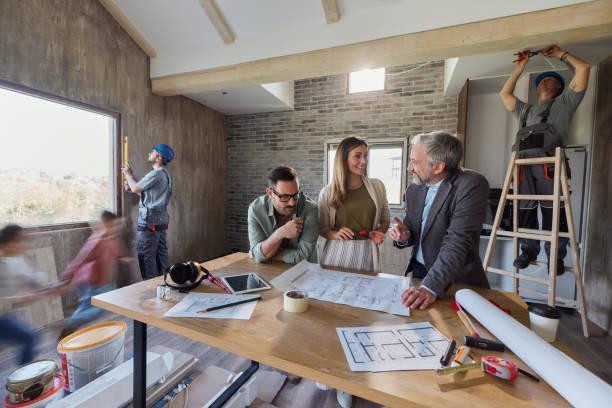
When most homeowners think about what drives property value, they go straight to location, square footage, and the condition of major systems. Those factors matter, but they are table stakes. The variable that increasingly separates homes that sell at asking price from those that sit on the market and accumulate price reductions is something buyers rarely articulate explicitly but respond to immediately: how the interior makes them feel. Interior design has moved from a finishing touch into a genuine driver of real estate outcomes, and the relationship between thoughtful design choices and property value is more direct and more measurable than most sellers realize.
Americans are expected to spend a record $518 billion on home remodeling and improvement by the end of 2026. A significant portion of that spending is motivated by property value, not personal preference, which tells you something important: the market has already reached a consensus that interior design investment pays back. The question is not whether it does, but which design decisions produce the strongest return and why.
Why Buyers Respond to Design Before They Respond to Price
The mechanism connecting interior design to property value runs through buyer psychology before it runs through any appraisal methodology. Purchasing a home is not a purely financial decision. It is an emotional one, and the interior environment is what triggers the emotional response that moves a buyer from interested to committed.
When buyers walk into a well-designed home, they stop doing the mental calculation of what they would need to change and start imagining what it would feel like to live there. That shift from evaluation to imagination is what produces faster offers and stronger ones. Homes staged with personality consistently outperform those styled to look safe and generic, because the brain responds to spaces that feel considered and livable rather than spaces that feel neutral and inert. That emotional projection, buyers seeing themselves in the space, is one of the strongest predictors of buying behavior, and intentional interior design is what creates the conditions for it.
The inverse is equally true. A buyer who walks into a home with inconsistent finishes, cluttered spaces, colors that compete, or rooms that have no clear function starts doing math rather than imagining. Every design deficiency that registers consciously becomes a negotiating point, and every one that registers subconsciously contributes to a general feeling that the home is not worth what the seller is asking. Interior design does not just add value. Poor interior design actively destroys it.
The Rooms Where Design Investment Generates the Most Return
Not every room contributes equally to property value, and understanding where design decisions carry the most weight helps homeowners direct their investment toward the spaces buyers evaluate most critically.
The kitchen is the room with the highest design stakes and the strongest ROI when improvements are well-targeted. A minor kitchen remodel that refreshes cabinetry, updates countertops, and modernizes hardware returns approximately 113% of its cost nationally, making it one of the only interior improvement categories that pays back more than it costs. Buyers evaluate kitchens before any other room because they are the space where daily life is most concentrated, and the design standard of the kitchen communicates the overall quality of the home more quickly than any other single element.
The living room drives the first impression of how the home flows and feels as a living environment. Buyers spend more time in the living room during a showing than anywhere else, and the design choices in that space, furniture scale, lighting quality, finish coherence, and the relationship between the room and adjacent spaces, shape the overall judgment they are forming about the home. A living room that feels too small because of oversized furniture, too dark because of inadequate lighting, or too cold because of a stark, impersonal aesthetic creates a negative anchor that colors how buyers evaluate every subsequent room.
The primary bedroom is the third critical space, and it is the one where buyers are most explicitly imagining their personal life. A bedroom that feels like a sanctuary, with layered lighting, quality materials, and enough clear floor space to communicate generous proportions, generates the kind of emotional attachment that translates into willingness to pay. One that feels like an afterthought, with builder-grade fixtures and a layout that prioritizes utility over comfort, does not.
The Design Choices That Add Value vs. The Ones That Do Not
The distinction between design investment that generates return and design investment that does not comes down to one principle: broad appeal outperforms personal expression in a resale context. Sellers who renovate with their own taste as the primary guide often produce beautiful results that fail to resonate with the widest possible buyer pool, and a narrower buyer pool means fewer competing offers and less negotiating leverage.
The design choices generating the strongest and most consistent buyer response in 2026 share a set of characteristics. Warm, neutral color palettes in off-whites, greige, and warm beige outperform stark white and high-contrast color schemes because they read as sophisticated rather than clinical and allow buyers to overlay their own belongings mentally without needing to immediately repaint. A fresh coat of paint adds an average of $12,130 to home value nationally, which makes it the highest-return per-dollar investment available in any interior improvement category.
Natural materials and warm wood tones are driving buyer preference at every price tier. The all-white, all-chrome aesthetic that dominated real estate photography for most of the previous decade has given way to a preference for spaces that feel grounded and organic, with texture, natural grain, and material warmth communicating quality in a way that high-gloss finishes no longer do for most buyers. Homes that introduced limewash walls, wood-tone cabinetry, and matte hardware finishes in the past two years are consistently outperforming comparable homes with older design sensibilities in both time on market and final sale price.
Timeless design choices, specifically those that prioritize quality materials, balanced layouts, and finishes that age well, hold value more durably than trend-driven selections. A kitchen updated with shaker-style cabinetry, quartz countertops, and matte black hardware will look current for a decade. One updated with a highly specific aesthetic that is fashionable in a single year is already accumulating design obsolescence before the first showing happens.
Interior Design and Rental Value
John Swann, founder of John Buys Your House, says, “The design-value connection extends beyond resale into rental income, and the mechanism is essentially the same. Tenants are more willing to pay a premium for rental properties that are visually appealing and functionally well-organized, and in competitive rental markets, design can be the deciding factor between two otherwise comparable units. Rental properties with intentional interior design, specifically those with updated kitchens, consistent flooring, and quality lighting, command meaningfully higher rents than unrenovated equivalents and attract more qualified tenants who stay longer.
The combination of higher achievable rent and lower tenant turnover produces a compounding improvement in investment return that makes interior design investment in rental properties financially justifiable on cash flow grounds, not just on sale price grounds. An investor who holds a property for five to ten years and invests in a targeted interior refresh at the right moment in the holding period is improving both the current yield and the eventual exit price simultaneously.”
What Buyers Are Looking for in 2026 Specifically
The design expectations that buyers bring to property evaluations in 2026 are meaningfully higher than they were five years ago. Years of renovation content, listing photography, and social media exposure to well-designed interiors have raised the baseline standard against which buyers judge what they see when they walk through a front door. What was once considered an upgrade is increasingly considered a baseline, and properties that do not meet that baseline are not simply less appealing. They are generating price reduction conversations before the first offer arrives.
The specific design elements generating the strongest buyer response in the current market are functional, sensory, and aesthetic simultaneously. Purpose-driven rooms where each space has a clear function are outperforming open-concept layouts that lack definition. Sound-absorbing materials and layouts that reduce sensory overload resonate with buyers who have spent significant time working and living in their homes. Biophilic elements including natural materials, plants, and organic textures create the grounded, instinctive feeling that buyers respond to without being able to articulate why.
Interior design does not add value to a property the way an extra bathroom does on a square footage basis. It adds value by changing how a buyer feels the first time they walk in the door, and in a market where that first impression is increasingly made through a listing photograph before a showing is ever booked, the design standard of the interior is determining whether buyers arrive at all. That is the connection between interior design and property value, and it is more direct, more measurable, and more actionable than most sellers appreciate until they see it reflected in their closing price