
5 Things to Know Before Planning a Residential Demolition
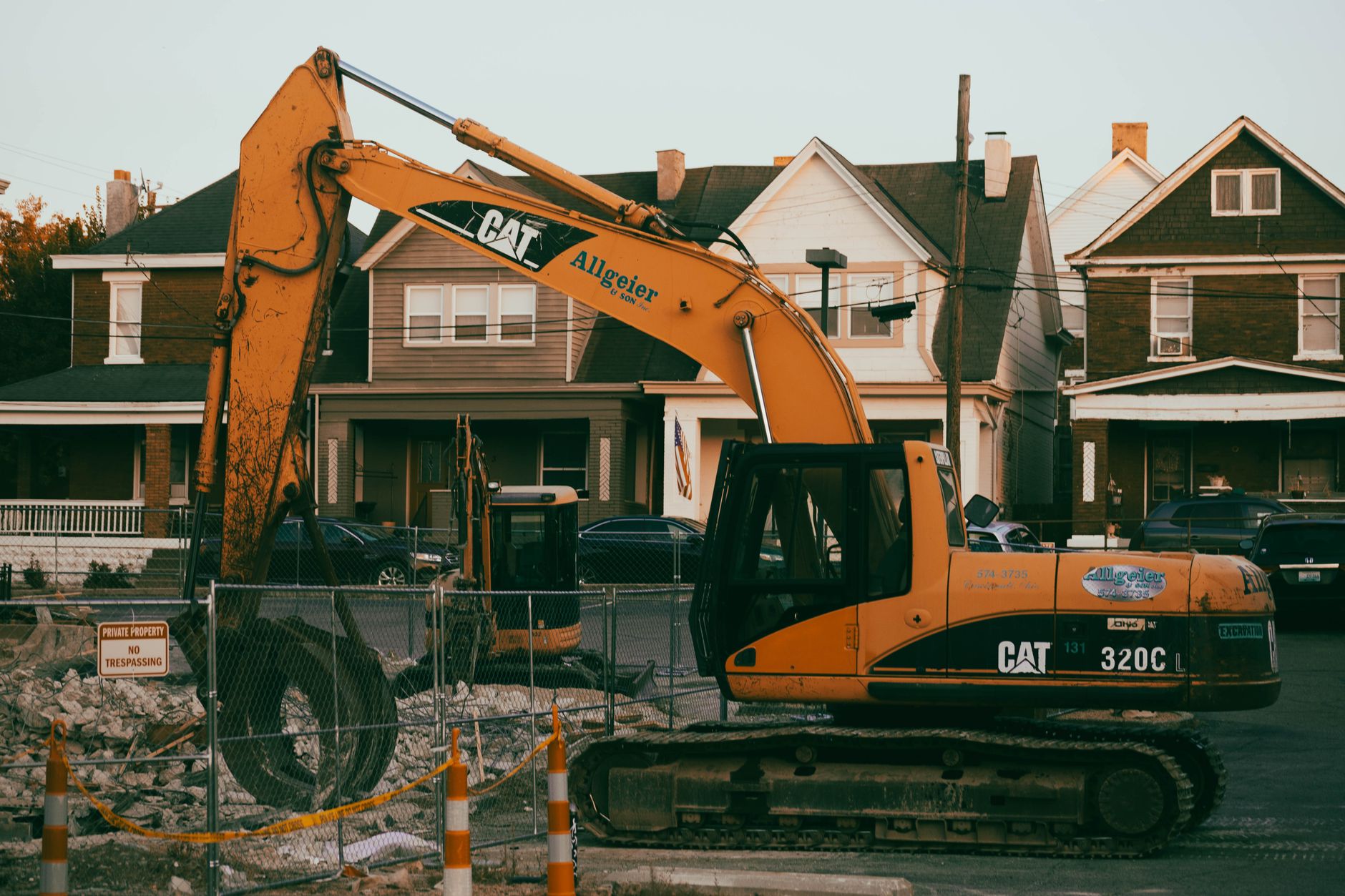
Planning a residential demolition project involves more than removing an existing house or structure. Homeowners need to consider debris removal, permits, utility connections, hazardous materials, site safety, and what will happen after the demolition is complete. Taking time to plan these details can help make the project more organized and reduce potential delays. Here are five things to know before planning a residential demolition.
1. Plan for Debris Removal and Disposal With Winnipeg Demolition
Residential demolition can generate a significant amount of construction and household debris. Before work begins, homeowners should consider how materials will be collected, transported, recycled, or disposed of. Wood, concrete, metal, drywall, and other materials may require different handling depending on local requirements.
When researching demolition Winnipeg services, homeowners should also ask how debris will be handled throughout the project. Understanding whether the demolition provider manages sorting, hauling, recycling, and disposal can make it easier to plan the project from the beginning. Having a clear debris removal plan can also help keep the property organized and reduce potential safety concerns during demolition.
2. Check Permits and Local Requirements
Residential demolition projects may require permits, inspections, or other approvals before work can begin. Requirements can vary depending on the location of the property, the type of structure, and the scope of the demolition.
Homeowners should confirm which permits and approvals apply to their project before scheduling demolition. Understanding these requirements early can help prevent unnecessary delays and ensure the work follows applicable local regulations.
3. Arrange Utility Disconnections
Utilities connected to a property should be identified and properly disconnected before demolition begins. Electricity, natural gas, water, sewer, and other services can create serious safety concerns if they are not addressed beforehand.
Homeowners should contact the appropriate utility providers and confirm that necessary services have been safely disconnected. Keeping documentation of completed disconnections can also help ensure that everyone involved in the project understands which utilities have been addressed.
4. Identify Hazardous Materials Before Demolition
Older residential properties may contain materials that require special handling before demolition. Asbestos, lead-based materials, mould, and other potentially hazardous substances can present health and safety concerns if they are disturbed during the demolition process.
A property may need to be assessed by qualified professionals before work begins. If hazardous materials are identified, specialized removal or handling procedures may be necessary. Addressing these concerns in advance can help create a safer demolition environment.
5. Prepare the Site and Plan What Comes Next
Proper site preparation can make demolition easier to manage. Homeowners should consider equipment access, fencing, neighbouring properties, pedestrian areas, dust, noise, and other safety considerations before work begins.
It is also useful to plan what will happen after the structure has been removed. The next stage could involve grading the property, removing remaining materials, preparing the ground for construction, or improving the landscaping. Establishing a timeline and budget for these activities can help homeowners stay organized throughout the project.
Planning a Residential Demolition Project
A successful residential demolition project starts with careful preparation. Planning debris disposal, confirming permits, disconnecting utilities, identifying hazardous materials, and preparing the site can help homeowners address important safety and logistical considerations. Working with qualified demolition professionals and understanding local requirements can also make the process more manageable from beginning to end.