
Beyond the Routine Clean: How Modern Dentistry Is Redefining Preventive Oral Healthcare
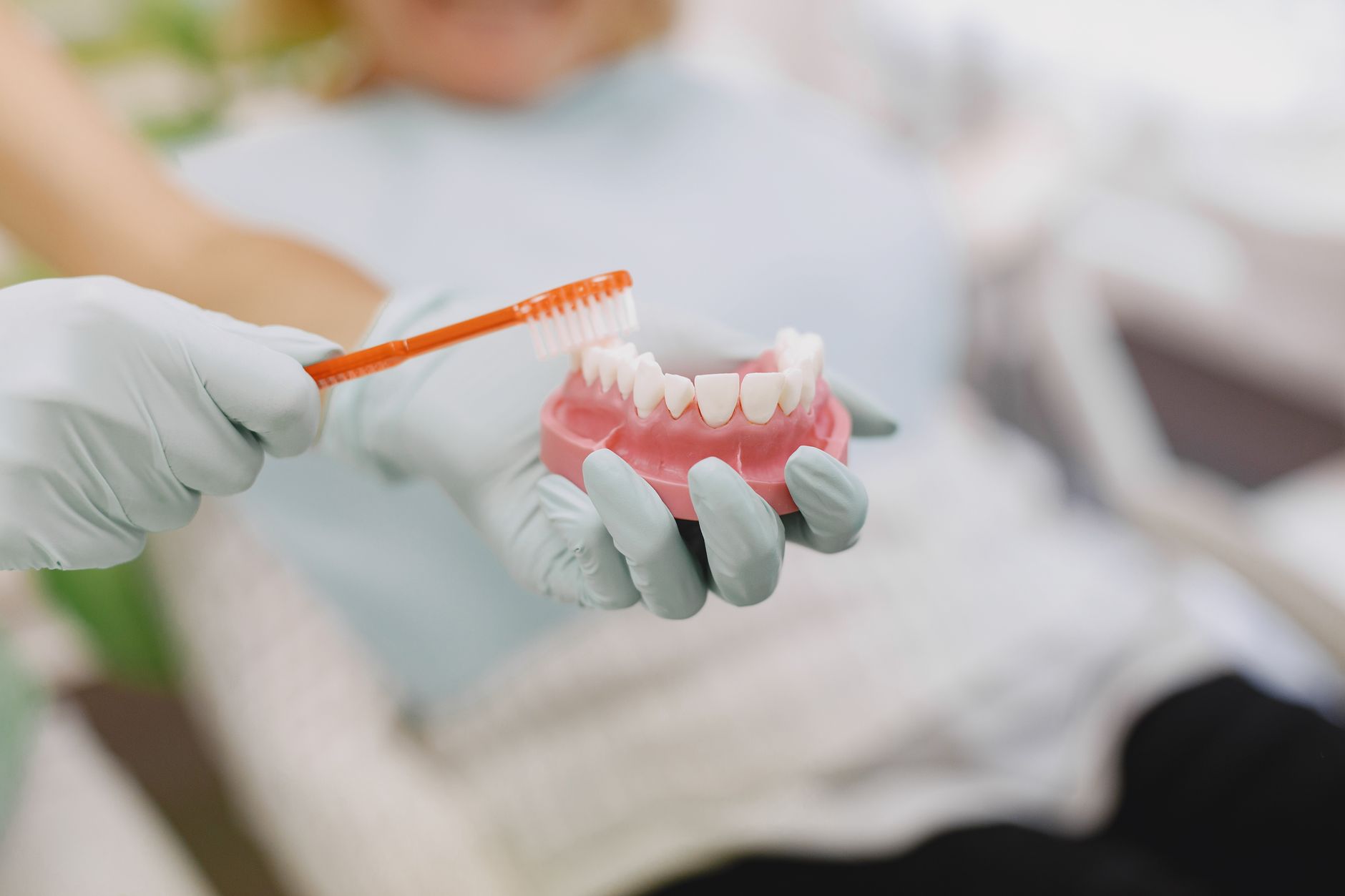
Maintaining optimal oral health requires more than brushing twice a day and scheduling a routine cleanup when a tooth starts throbbing. While daily home care forms the baseline of dental hygiene, modern dentistry has shifted heavily toward proactive, systematic prevention. Breakthroughs in diagnostic tech, deeper insights into systemic health connections, and refined treatment options mean patient care now focuses on preserving natural teeth and oral tissue long before visible damage occurs.
Understanding how preventive care works, what advanced treatments offer, and how to choose the right provider gives you the tools needed to keep your smile healthy for life.
The Evolution of Preventive Dentistry
Preventive dentistry used to mean little more than manual plaque removal and filling cavities. Today, the focus is on understanding individual biological risk factors. Dentists use advanced imaging and diagnostic tools to spot structural weaknesses, early enamel demineralization, and soft tissue changes before they turn into painful, expensive issues.
Digital radiography has cut radiation exposure significantly while giving clinicians high-resolution images of internal tooth structures and jawbones. Intraoral cameras allow patients to view what the dentist sees in real time, making treatment plans easier to understand. Meanwhile, 3D cone-beam computed tomography (CBCT) provides clear views of nerve pathways and bone volume, making complex procedures like implant placement far more predictable.
Laser technology has also changed standard hygiene routines. Soft-tissue lasers treat periodontal pockets with precision, eliminating harmful bacteria while leaving surrounding healthy tissue untouched. This leads to faster healing times, less post-procedure discomfort, and better long-term outcomes for patients dealing with early to moderate gum disease.
Navigating Modern Dental Treatments and Oral-Systemic Health
A growing body of research shows a direct link between oral health and overall physical health. Chronic periodontal inflammation isn’t just an isolated mouth issue; it allows bacteria to enter the bloodstream, which is linked to systemic conditions like cardiovascular disease, diabetes complications, and respiratory infections.
When choosing care, patients should look for practices that offer a full range of preventive, restorative, and periodontal services tailored to individual health profiles:
1.Comprehensive Periodontal Assessments: Regular screenings for gum recession, pocket depth, and bone levels help catch gum disease in its early, reversible stage (gingivitis) before it advances to periodontitis.
2. Biocompatible Restorative Materials: Composite resins and high-grade ceramics have largely replaced traditional amalgam. These materials bond directly to the tooth structure, preserving more natural enamel while creating a seamless, natural look.
3. Proactive Risk Management: Custom nightguards protect against teeth grinding (bruxism), while professional fluoride treatments and dental sealants shield vulnerable tooth surfaces from acid erosion and decay.
Finding a practice that prioritizes both routine preventive maintenance and specialized care makes a big difference in long-term health. Whether you need routine cleanings or specialized gum treatments, working with a dedicated Tallahassee, FL dentist ensures your oral health is managed with up-to-date techniques and personalized attention.
Building a Lifelong Home-Care Strategy
Professional visits lay the groundwork, but daily home care determines the long-term success of your dental health. A solid routine goes beyond brushing and flossing to include tools tailored to your unique oral anatomy.
1.Electric Toothbrushes: Oscillating or sonic electric toothbrushes remove significantly more plaque along the gumline than manual brushing, without applying harmful pressure that can cause gum recession.
2. Interdental Cleaning: Traditional string floss, interdental brushes, and water flossers clear out food debris and bacterial plaque from tight spaces where toothbrush bristles can’t reach.
3. Targeted Rinses: Therapeutic mouthwashes containing antimicrobial agents or fluoride strengthen enamel and help keep bacterial populations under control throughout the day.
Consistency remains key. Small, daily efforts combined with regular professional checkups protect your teeth and gums, preventing the need for extensive restorative work later on.
Protecting Your Smile for the Long Term
Taking care of your teeth and gums isn’t just about cosmetic appeal—it is an investment in your overall well-being. By staying proactive with daily home routines, getting regular professional checkups, and addressing minor issues before they escalate, you can keep your natural smile healthy and functional for a lifetime.
What steps are you taking in your daily routine to prioritize preventive oral care?