
Beyond the Brush: A Modern Family’s Blueprint for Long-Term Oral Health
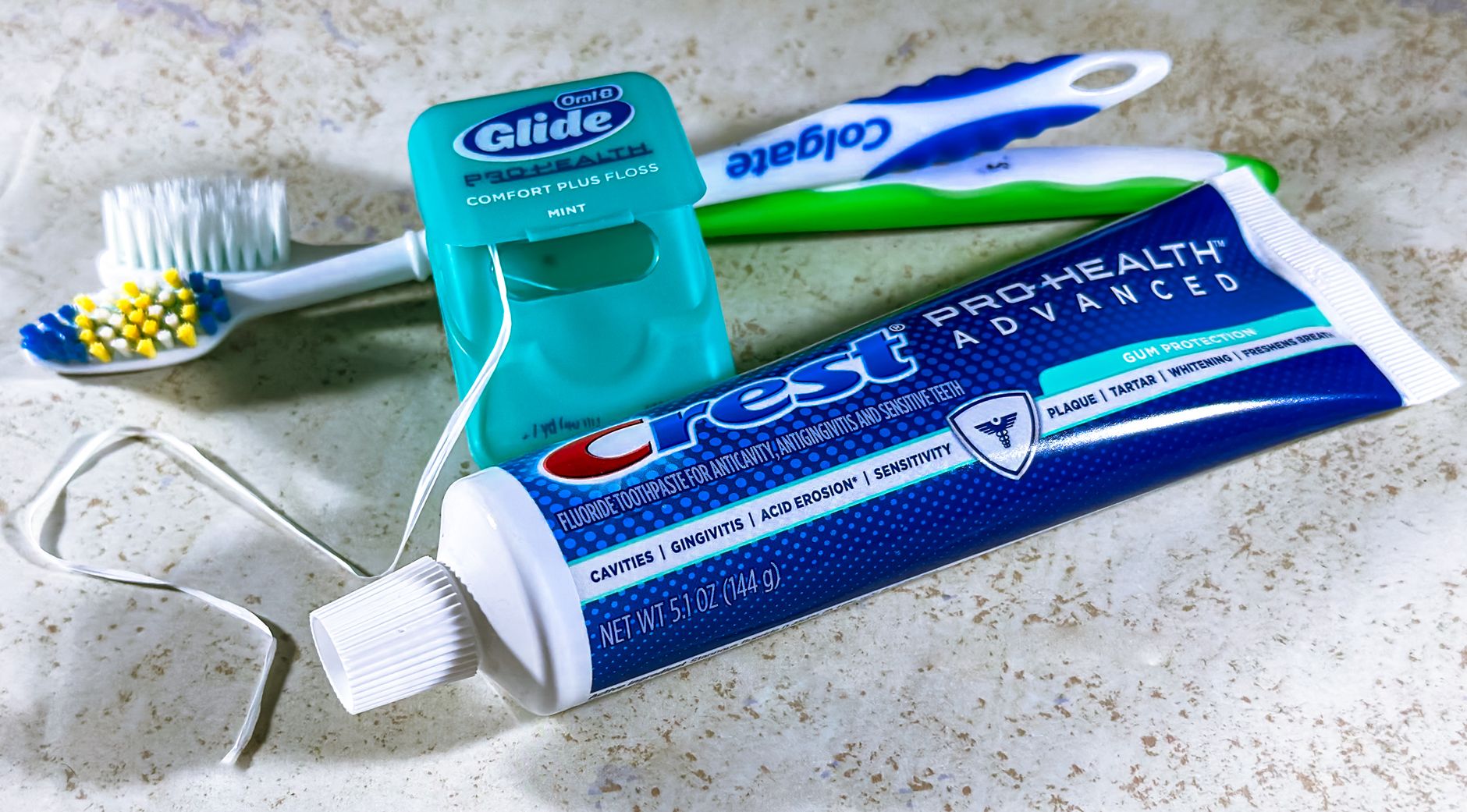
Maintaining optimal oral health across different stages of life requires more than brushing twice a day. As families grow, dental needs shift from early childhood preventative care to managing adult restorations and preserving aging teeth. Navigating these transitions demands an intentional approach to daily hygiene, preventive screenings, and choosing clinical care aligned with your household’s long-term health goals.
Here is how modern families can build a durable framework for lifelong oral wellness.
The Evolution of Family Oral Care Across Generations
A static approach to dental hygiene rarely works because the oral microbiome and structural needs of teeth change over time. Primary teeth in young children require a focus on enamel strength and habit formation, while teenagers often need orthodontic guidance and specialized hygiene routines to prevent decay around brackets or clear aligners.
For adults, the primary threats shift toward periodontal disease, worn enamel from stress-induced grinding, and the gradual degradation of past dental work. Seniors face additional hurdles, including dry mouth caused by medication and gum recession that exposes vulnerable root surfaces.
A successful routine acknowledges these distinct milestones:
1.Early Childhood (Ages 1–6): Focus on fluoride integration, diet monitoring to limit prolonged sugar exposure, and establishing positive, fear-free visits to the dentist.
2. Adolescence (Ages 7–17): Prioritize preventative sealant applications, custom sports mouthguards, and strict interdental cleaning during orthodontic alignment.
3. Adulthood & Senior Years (Ages 18+): Emphasize early detection of gum inflammation, restorative maintenance, and custom nightguards to combat nocturnal bruxism.
Three Pillars of Preventative Dental Strategy
To prevent costly, extensive procedures down the road, daily habits must align with clinical insights. Modern preventative dentistry relies on three foundational practices.
1. Microbiome Balance and Smart Diet
Tooth decay occurs when acid-producing bacteria feed on dietary carbohydrates, lowering the pH level in the mouth and stripping minerals from the enamel. Rather than focusing solely on eliminating sugar, the key is reducing the frequency of exposure. Sipping a sweetened beverage over several hours subjects enamel to continuous acid attacks, whereas consuming it quickly alongside a meal allows saliva to neutralize the environment.
Integrating mineral-rich foods, staying hydrated, and chewing sugar-free gum containing xylitol after meals helps stimulate natural saliva production, which serves as the body’s primary defense against enamel erosion.
2. Precision Cleaning Protocols
Standard brushing leaves nearly 35% of tooth surfaces untouched. Interdental cleaning—whether using traditional floss, interdental brushes, or water flossers—is non-negotiable for preventing interproximal cavity formation and localized periodontitis.
Electric toothbrushes with pressure sensors and sonic oscillations consistently outperform manual brushing by removing significantly more plaque without applying abrasive force to delicate gum tissues. Pairing these devices with non-abrasive fluoride or hydroxyapatite toothpastes supports natural remineralization without stripping away outer enamel layers.
3. Comprehensive Professional Evaluation
Routine checkups do far more than clean teeth. Modern diagnostic tools, including low-dose digital radiographs and intraoral imaging, detect structural weaknesses, hairline fractures, and early bone loss long before physical pain manifests.
Establishing a routine with a trusted local practice ensures your family receives personalized clinical oversight. For instance, families located near the Seacoast region looking for comprehensive preventative care often choose an experienced dentist in Rye NH to manage their routine examinations and customized treatment plans. Regular professional evaluations allow practitioners to spot subtle changes in tissue health, screen for oral cancer, and intervene early when treatments are simpler and less invasive.
Evaluating a Dental Practice for Household Needs
Selecting the right provider for your family involves evaluating factors beyond location. A well-rounded practice should balance clinical skill with a patient-centered approach that keeps every family member comfortable.
Consider the following factors when selecting a long-term provider:
1.Comprehensive Scope of Services: Look for a clinic that offers preventative, restorative, cosmetic, and emergency services under one roof to minimize referrals.
2. Modern Diagnostic Technology: Digital scanners, 3D imaging, and laser dentistry improve diagnostic accuracy while making procedures faster and more comfortable.
3. Clear Communication and Transparency: Providers should explain diagnostic findings clearly, offer treatment options, and provide itemized cost breakdowns prior to performing procedures.
4. Patient Comfort Measures: Gentle techniques, clear explanations, and options for anxious patients help foster positive experiences, particularly for younger children.
Building Consistency for Lasting Health
Oral health directly impacts systemic wellness, influencing cardiovascular health, metabolic control, and overall quality of life. By building strong daily habits, making smart dietary choices, and partnering with a dedicated clinical team, you safeguard your family’s smiles for years to come.
How does your family handle routine dental care and habit formation at home? Sharing tips and strategies can help others build better routines for their households.