
Understanding Modern Tooth Replacement: Implants vs. Bridges for Long-Term Oral Health
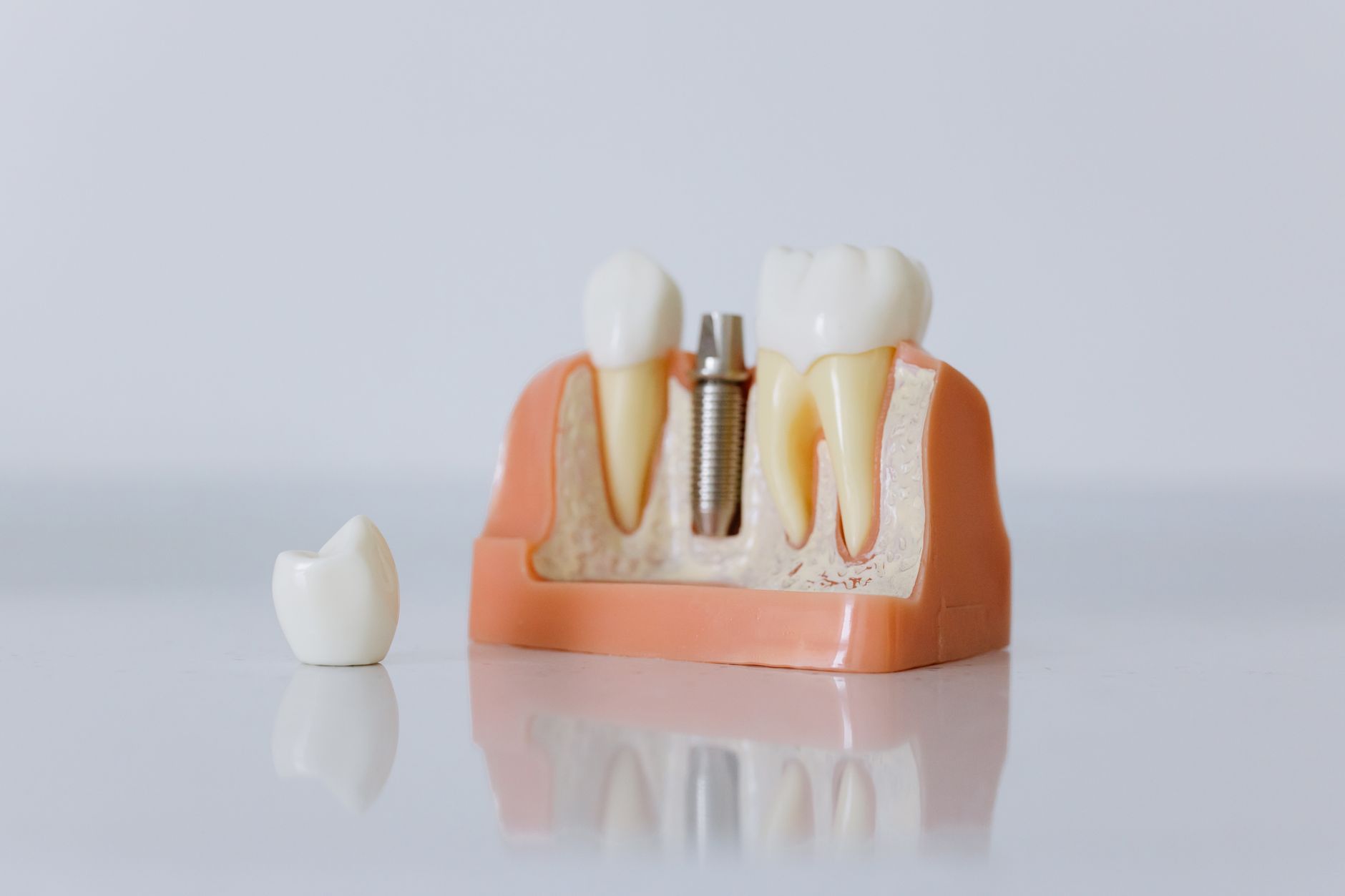
Losing a tooth affects far more than the appearance of a smile. Behind every missing tooth is a complex biological shift that impacts chewing efficiency, jawbone density, and the alignment of remaining natural teeth. When a tooth is extracted or lost to trauma, the surrounding alveolar bone begins to resorb, losing up to 25 percent of its width within the first year alone. For individuals and families evaluating restorative options, choosing between a traditional dental bridge and a dental implant is one of the most critical health decisions they will face. While both methods fill the visible gap, their structural mechanics, long-term health implications, and financial values differ fundamentally.
Choosing the right path requires understanding how each restoration interacts with your natural anatomy, what maintenance looks like over time, and how modern dentistry delivers lasting functional outcomes.
The Anatomy of Restorative Dentistry: How Implants and Bridges Work
To make an informed choice, it helps to look below the gum line. Traditional bridges and dental implants take completely different approaches to replacing missing tooth structure, each relying on a distinct mechanism of support.
Traditional Dental Bridges: Surface-Level Continuity
A conventional fixed bridge replaces a missing tooth by anchoring an artificial crown (a pontic) between two adjacent natural teeth, known as abutments. To install a bridge, a dentist must permanently alter those neighboring teeth by removing healthy enamel so they can be fitted with supporting crowns.
While this creates a durable and immediate surface fix, it leaves the underlying jawbone unstimulated. Because there is no root structure beneath the pontic to signal the bone to maintain its density, the jawbone in that gap continues to shrink over time. Additionally, the abutment teeth bear the full force of everyday chewing, which increases mechanical strain on those natural structures.
Dental Implants: Root-Level Integration
Dental implants address tooth loss from the root up. The treatment involves placing a medical-grade titanium or zirconia post directly into the jawbone, where it undergoes osseointegration—a natural biological process where bone tissue fuses with the post over several months. Once fully integrated, the post acts as a sturdy artificial tooth root that supports a custom-crafted porcelain crown.
Because the post sits directly in the bone, it provides natural biomechanical stimulation every time you bite down. This stops bone resorption in its tracks, preserves facial structure, and keeps neighboring natural teeth completely untouched. For individuals evaluating dental implants in syracuse ny, this approach protects long-term structural integrity while maintaining a natural look and feel.
Key Factors for Comparing Implants and Bridges
When weighing your options, comparing the immediate experience with the long-term biological outcomes reveals significant differences.
- Impact on Surrounding Teeth: A bridge requires reshaping adjacent, often perfectly healthy teeth to serve as anchors. Implants stand entirely on their own, leaving neighboring natural enamel untouched.
- Jawbone Conservation: Bridges do not replace the tooth root, allowing bone tissue underneath the gap to gradually break down over time. Implants integrate into the jawbone, actively preserving bone height and width.
- Lifespan and Maintenance: Bridges last roughly 10 to 15 years and require specialized flossing tools to clean underneath the connected pontic. Implants can last a lifetime with standard brushing and flossing, boasting a 10-year clinical success rate above 95 percent.
- Treatment Timeline: Bridges can typically be completed in just two to three weeks over two appointments. Implants involve a multi-stage process spanning three to six months to allow the post to fully bond with the jawbone.
Structural Health and Daily Functionality
Beyond aesthetics, missing teeth alter how forces are distributed across your bite. When a gap is left untreated, surrounding teeth gradually drift into the open space, changing your bite alignment and leading to uneven enamel wear, jaw joint strain (TMJ discomfort), and hard-to-clean crevices that trap bacteria.
Chewing Efficiency and Stability
Because a dental implant fuses directly with the jawbone, it restores up to 90 percent of natural biting power. Patients can eat tough or crunchy foods without worrying about movement or discomfort. Fixed bridges also offer strong chewing support, but because they span a gap rather than anchoring into the bone, they may not offer the same absolute stability under heavy bite forces.
Oral Hygiene and Disease Prevention
Maintaining a traditional bridge requires threaders or interdental brushes to clear away food debris trapped underneath the pontic. If plaque accumulates around the anchor teeth, decay can form beneath the crowns, which can compromise the entire restoration. Implants, on the other hand, are brushed and flossed just like natural teeth. Because the implant itself is made of biocompatible materials, it cannot develop cavities, though keeping the surrounding gums healthy through daily care remains vital.
Evaluating Total Value and Financial Investment
Cost is often a major factor when deciding between restorative treatments. Looking only at the upfront price tag, however, can obscure the true long-term value of your investment.
Upfront Costs vs. Lifetime Value
A traditional dental bridge typically carries a lower initial out-of-pocket cost and is more likely to be partially covered by basic dental insurance plans. However, because bridges usually need replacement every 10 to 15 years—and may require additional dental work if the anchor teeth suffer decay—the cumulative cost can add up significantly over a lifetime.
An implant represents a higher upfront investment due to the surgical placement and specialized materials involved. Yet, because the post itself is designed to last a lifetime, it rarely needs to be replaced. Over a 20- to 30-year span, an implant is frequently the more cost-effective, durable choice for preserving overall oral health.
Clinical Eligibility Criteria
Not every candidate is immediately ready for an implant. Successful placement requires:
- Adequate jawbone density and volume to securely hold the titanium post.
- Healthy gum tissue free from active periodontal disease.
- Good general health, as uncontrolled chronic conditions like diabetes can slow down bone healing.
If bone loss has already occurred, bone grafting procedures can rebuild the foundation needed for an implant. For patients who want to avoid minor surgery or need a faster solution, a bridge remains a reliable, high-quality option.
Making the Right Choice for Your Smile
Restoring a missing tooth is an investment in your health, confidence, and quality of life. While traditional bridges offer a fast and established way to fill a gap, dental implants provide an unmatched foundation that protects your surrounding teeth and preserves natural jawbone structure for years to come.
The best way to determine which restoration fits your health goals, lifestyle, and budget is to schedule a comprehensive clinical examination and consultation with a trusted dental professional. A personalized assessment with digital imaging will reveal your bone density, evaluate your overall bite, and chart the clearest path toward a healthy, complete smile.