
How Modern Preventive Dentistry Protects Your Long-Term Health and Savings
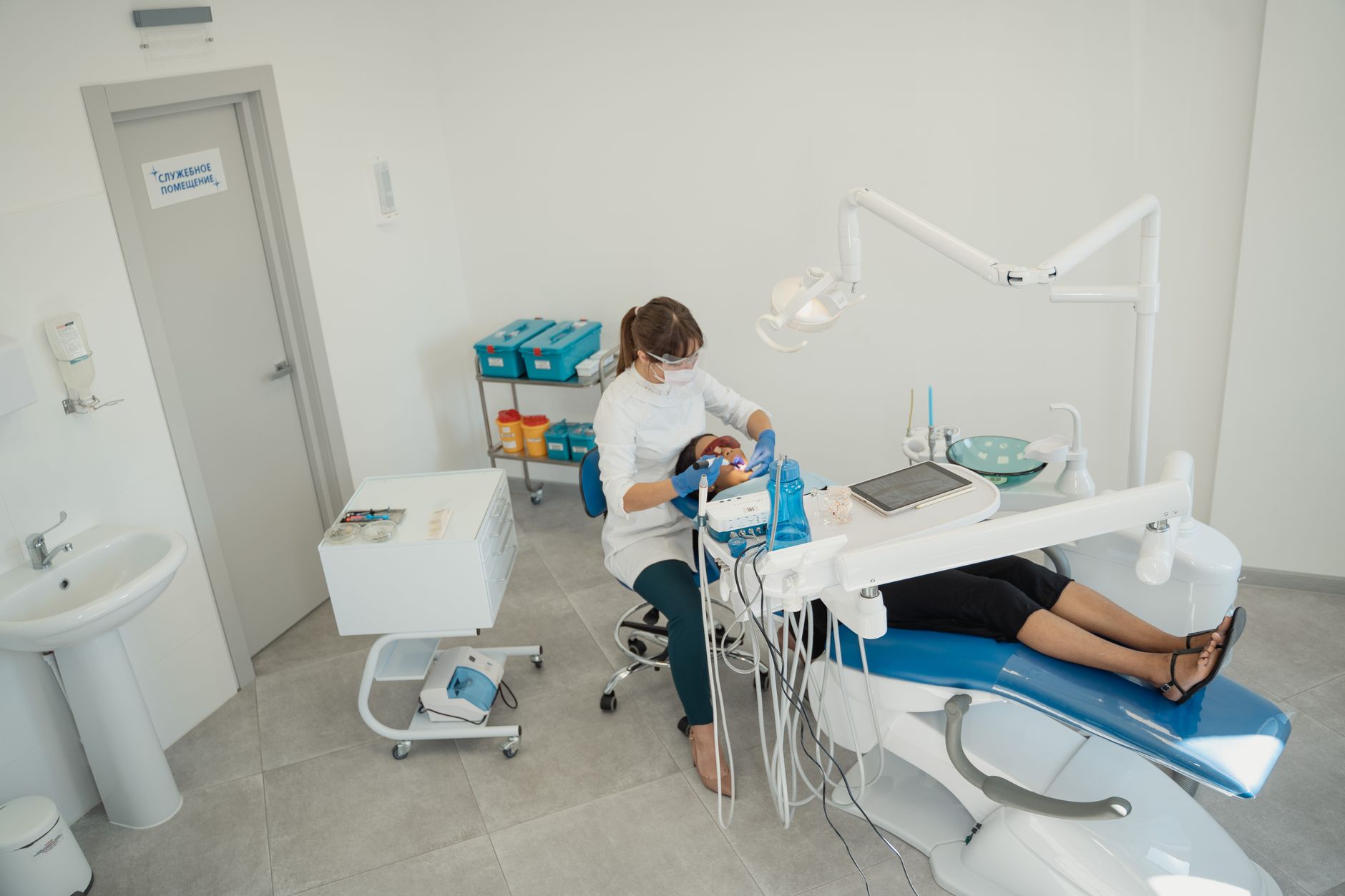
When most people think about going to the dentist, they picture reacting to a problem—a sharp toothache, a chipped molar, or a loose filling. But dentistry has undergone a massive shift over the last decade. Modern dental care is no longer about reacting to disasters; it is about precision prevention, risk management, and maintaining oral health to support overall systemic well-being.
Research from the American Dental Association shows that every dollar spent on preventive dental care saves an average of $8 to $50 in downstream restorative and emergency procedures. Despite this, millions of people delay routine care simply because they view dental visits as an inconvenient expense rather than a vital health investment. Understanding how modern preventive practices protect both your physical health and your bank account changes that perspective.
Here is a breakdown of how structured oral healthcare works today, why early detection matters, and how to choose the right care for your family.
The Connection Between Oral Health and Systemic Well-being
Your mouth is the primary entryway to your digestive and respiratory tracts, making it a critical mirror of your overall body health. Dental conditions rarely stay confined to the gums and teeth. Left unchecked, chronic oral issues act as constant inflammatory triggers throughout the body.
Periodontal Health and Cardiovascular Risk
Gum disease (periodontitis) is not just a localized bacterial infection. Severe gum inflammation allows harmful bacteria to enter the bloodstream, triggering systemic inflammatory responses. Clinical studies have consistently linked severe periodontitis to an increased risk of heart disease, clogged arteries, and strokes. Controlling gum disease is a direct way to reduce systemic inflammation.
Diabetes Management and Dental Care
The relationship between diabetes and oral health goes both ways. People with diabetes are more susceptible to gum disease, but severe periodontitis also makes it significantly harder to control blood sugar levels. Routine cleanings and targeted periodontal maintenance reduce bacterial load, helping stabilize insulin sensitivity and aiding long-term diabetes management.
The Financial Reality: Prevention Versus Restoration
Many families push back routine checkups to save money in the short term. However, dental problems never self-correct; they progress silently until symptoms become impossible to ignore. Understanding the progression of common dental issues highlights why preventive care is the most cost-effective path forward.
- Stage 1: Enamel Demineralization. Caught early during a routine exam, surface demineralization can often be reversed or stabilized with topical fluoride treatments or minor dietary adjustments, costing very little.
- Stage 2: Early Decay (Cavity). If demineralization progresses into a cavity, it requires a simple composite filling. This is a quick, conservative procedure that preserves most of your natural tooth structure.
- Stage 3: Advanced Structural Loss. Ignoring a minor cavity allows bacteria to penetrate deep into the dentin, eventually reaching the nerve pulp. At this point, simple fillings are no longer an option. The tooth requires a root canal and a full coverage crown, costing significantly more in both time and financial resources.
- Stage 4: Tooth Extraction and Replacement. When structural damage is too severe to save the natural root, extraction is the only choice. Replacing a missing tooth with a bridge or implant requires multiple procedures and substantially higher out-of-pocket costs.
By scheduling biannual checkups, you give your dental team the opportunity to intercept issues at Stage 1 or Stage 2, keeping treatment minor, pain-free, and affordable. If you are looking for personalized, comprehensive care for your family, partnering with an experienced dentist in Glendale, Az ensures you receive tailored treatment plans that focus on long-term preservation over costly fixes.
What to Look for in a Family-Focused Practice
Not all dental practices offer the same approach. Finding a provider that aligns with your family’s needs requires looking past basic location and office hours.
Modern Diagnostic Technology
Advanced practices use digital X-rays and intraoral cameras rather than relying solely on traditional manual probes. Digital imaging drastically reduces radiation exposure while providing high-resolution visuals that allow your practitioner to spot microscopic fractures, bone loss, and interproximal decay years before they appear on the surface.
Patient-Centered Communication
A quality practitioner takes the time to walk you through your digital scans, explaining why a specific treatment is recommended rather than simply handing you an invoice. Transparent communication ensures you understand the difference between immediate clinical needs and non-urgent monitoring.
Comprehensive Care Under One Roof
Families lead busy lives. Managing separate appointments at different clinics for pediatric care, orthodontic consultations, and adult cleanings is inefficient. A practice equipped to handle multi-generational care simplifies scheduling while maintaining consistent medical records for your entire household.
Daily Preventive Habits That Actually Work
While professional cleanings clear away calcified tartar (calculus) that brushing cannot remove, your daily routine forms the frontline defense against oral disease.
- Prioritize Interdental Cleaning. Brushing cleans only about 60% of your tooth surfaces. The remaining 40% lies between teeth, where plaque accumulates undisturbed. Flossing daily or using interdental brushes is essential for preventing decay between teeth and maintaining firm, healthy gums.
- Use the Right Tools. Switch to a soft-bristled toothbrush or an electric toothbrush with a pressure sensor. Scrubbing aggressively with hard bristles recedes delicate gum tissue and wears down protective enamel over time.
- Optimize Toothpaste Selection. Ensure your toothpaste contains fluoride or hydroxyapatite—two ingredients proven to remineralize enamel and make teeth resistant to acid attacks from daily food intake.
- Mind the Acid Exposure. Frequent sipping on acidic beverages like sparkling water, coffee, or soda strips minerals from enamel faster than saliva can replace them. Drinking water immediately after consuming acidic items helps neutralize ph levels in the mouth.
Taking Control of Your Oral Health
Preventive dentistry is not about chasing a perfect smile; it is about protecting your health, preserving your natural teeth, and avoiding preventable financial strain. Small, consistent actions—like maintaining a thorough home routine and keeping twice-yearly dental appointments—make all the difference.
If it has been more than six months since your last dental exam, book a comprehensive assessment today. Taking proactive steps now ensures your smile stays healthy, strong, and trouble-free for years to come.