
What to Include in a Custom Trade Show Exhibit Design Brief
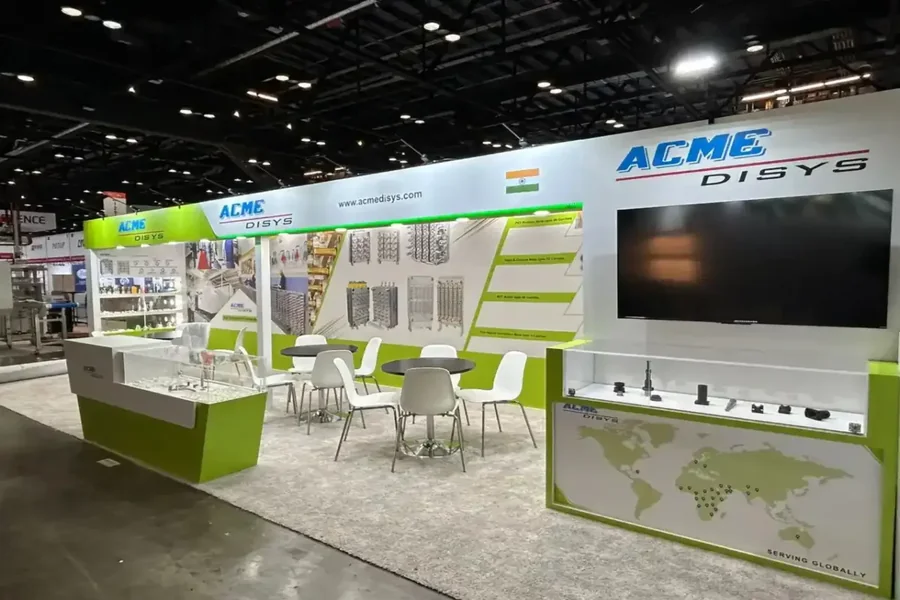
A strong exhibit starts long before the first panel is cut. The design brief is the document that tells your design team what the booth has to accomplish, and the more clearly it is written, the fewer revisions, delays and surprises you face on the show floor.
Many teams treat the brief as a formality, a few lines in an email. That shortcut usually costs more later. Whether you work with Exhibit Company or any other builder, a thorough brief turns a vague idea into a custom trade show exhibit design that can be priced, built and shipped.
Start with goals and audience
Write down what the booth must achieve. Is the priority lead capture, product demonstrations, meetings with existing customers or brand awareness? Rank the goals, because a booth built for private meetings looks very different from one built for high-traffic demos.
Then describe who you want to attract. Name the job titles, industries and buying stages of your ideal visitors. Designers use this information to decide how open the space should feel, where messaging goes and how visitors move through it.
Define the practical limits
Every show has rules, and every company has a budget. Include the booth size, the show name and dates, the floor position if you know it, and any height or sightline restrictions from the organizer. If you plan to reuse the structure at other events, say so, since that affects materials, modularity and storage.
State a realistic budget range, not a single number. A range lets the designer propose options and explain trade-offs. If you are exploring a custom trade show exhibit for the first time, ask for a base option and a few upgrades so you can see where the money goes.
Describe what goes inside the booth
List every function the space needs to support: product displays, demo stations, a reception counter, a meeting room, storage for literature and giveaways, charging points and lighting. Mention the number of staff who will be on the stand at once, because that determines how much working room is required.
Add technical needs too. Screens, interactive kiosks, power requirements and internet access all shape the layout and the cost, and they are much easier to plan for at the start than to retrofit.
Share your brand materials
Provide logos, brand colors, fonts, photography and any messaging guidelines. Include examples of past booths, both the ones you liked and the ones that did not work. A few reference images from other exhibits can communicate a style faster than a page of adjectives.
Set the timeline and the roles
Give the date you need approvals, the build deadline and the ship date. Name one person who owns decisions on your side, plus anyone who must sign off on branding or budget. Projects slow down when feedback arrives from five people at once.
Review it before you send it
Read the brief as if you were a designer who knows nothing about your company. Could you build a booth from it? If a section feels thin, add detail. A clear brief is the quickest route to a design that fits your goals, and it gives your exhibit partner everything needed to deliver on time and on budget.