
A Complete Guide to Understanding Air Pollution Detectors for Indoor and Outdoor
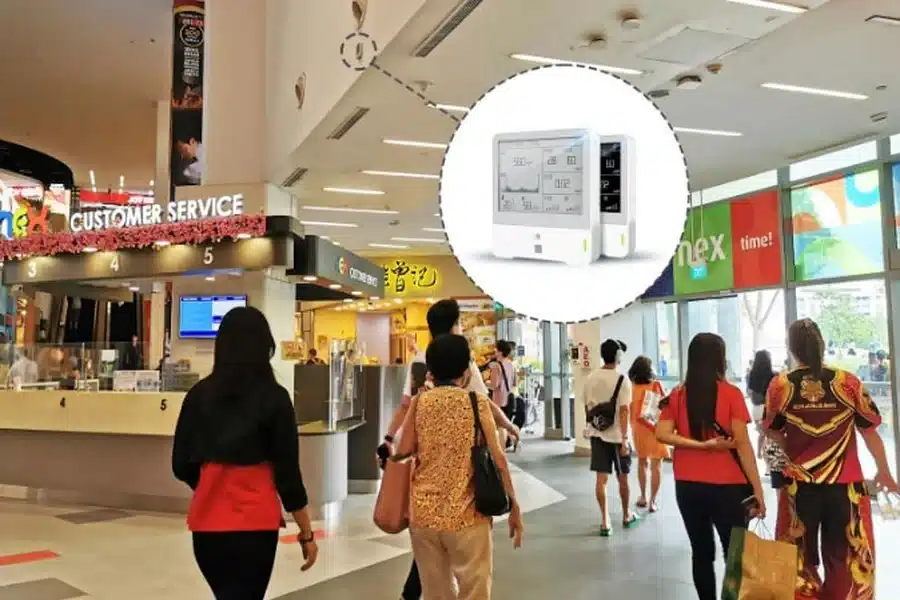
Air quality has become a growing concern in modern cities, especially with increasing pollution levels and changing environmental conditions. Many people are now taking a more proactive approach to understanding what they breathe every day. This is where air monitoring devices come into play. When searching for an air pollution detector, the goal is usually to track harmful particles and gases in real time and make informed decisions about health and safety.
What Is an Air Pollution Detector
An air pollution detector, also known as an air quality monitor, is a device that measures the presence of pollutants in the air. These devices use sensors to detect various elements such as particulate matter, gases, and environmental conditions.
Most modern detectors can measure pollutants like PM2.5 and PM10, which are tiny particles that can enter the lungs and affect health. They may also track gases such as carbon dioxide, volatile organic compounds, and formaldehyde.
In addition to pollutants, many devices also measure temperature and humidity to provide a complete picture of air quality.
How Air Pollution Detectors Work
Air pollution detectors rely on built in sensors to analyse the air around them. Some use laser based technology to detect particulate matter, where particles scatter light and the device calculates their concentration.
Others use chemical sensors to detect gases present in the air. The collected data is then processed and displayed in a readable format, often as an Air Quality Index or numerical values.
Many modern devices also offer real time updates, allowing users to see changes in air quality instantly and respond accordingly.
Types of Air Pollution Detectors
There are different types of detectors available depending on the purpose and usage.
Portable Air Quality Monitors
These are compact and easy to carry, making them suitable for personal use. They can be used at home, in the office, or even while travelling. Portable devices provide real time data and are ideal for individuals who want to monitor their surroundings regularly.
Indoor Air Quality Monitors
These are designed to stay in a fixed location, such as a home or workplace. They continuously track air quality and help maintain a safe indoor environment.
Multi Parameter Monitors
Advanced devices can measure multiple pollutants at once, including particulate matter, gases, and environmental factors. These provide a more detailed understanding of air quality and are often used in professional or industrial settings.
Why Monitoring Air Quality Is Important
Air pollution is not always visible, which makes it easy to ignore. However, long term exposure to polluted air can have serious effects on health, including respiratory and cardiovascular issues.
Air quality monitors provide real time information about the air you are breathing. This allows you to take preventive actions, such as improving ventilation, using air purifiers, or avoiding certain environments.
Portable monitors are especially useful because they allow users to track air quality wherever they go, helping them make better decisions about their surroundings.
Key Features to Look For
When choosing an air pollution detector, several features should be considered.
Sensor accuracy is one of the most important factors. High quality sensors provide more reliable readings and better insights.
Number of parameters measured is also important. Devices that measure multiple pollutants offer a more complete understanding of air quality.
Display and readability matter as well. Many monitors use colour coded indicators to show whether air quality is good, moderate, or poor, making it easier to understand at a glance.
Battery life is another key factor, especially for portable devices. A longer battery life ensures continuous monitoring without frequent charging.
Connectivity features such as mobile apps or data tracking can also be useful for analysing trends over time.
Where These Devices Are Used
Air pollution detectors are used in a wide range of environments.
At home, they help ensure that indoor air remains safe, especially for children, elderly individuals, or people with allergies.
In offices, they help maintain proper ventilation and improve overall air quality.
In industrial settings, they are used to monitor pollutants and ensure safety standards are met.
They are also useful for outdoor monitoring, especially in areas with high pollution levels.
Limitations to Be Aware Of
While air pollution detectors are useful, they are not perfect. Low cost devices may not always match the accuracy of professional grade equipment.
They also require proper placement and occasional calibration to maintain accuracy. Environmental factors such as humidity and temperature can sometimes affect readings.
Despite these limitations, they still provide valuable insights into air quality and help users make informed decisions.
Conclusion
An air pollution detector is a practical tool for understanding and managing the quality of air in your surroundings. With the ability to measure pollutants in real time, these devices help individuals take control of their environment and reduce exposure to harmful substances.
Whether used at home, in the workplace, or outdoors, air quality monitors provide important information that supports better health and safety. As awareness of environmental conditions continues to grow, these devices are becoming an essential part of modern living.