
A Simple Guide to Ordering Custom Equipment Stickers Quickly
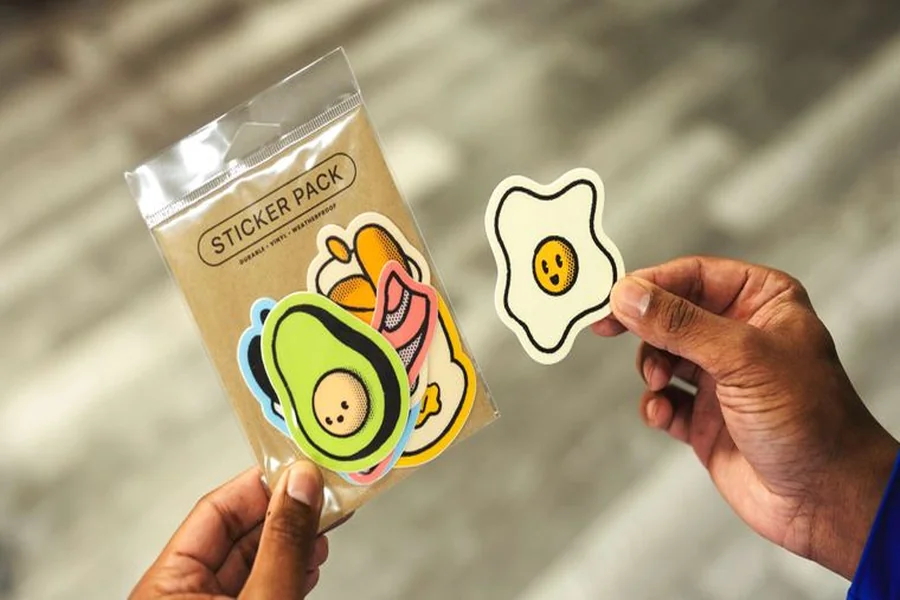
Custom equipment stickers give service crews a reliable way to identify units, leave contact details, and document work after installation or repair. Speed comes from preparation, not rushed decisions. Size, adhesive, surface finish, quantity, and print files all shape cost and turnaround. With a clear order plan, teams can reduce proof delays, avoid unreadable layouts, and receive labels that perform well in the field.
Start With the Use Case
A sticker placed on outdoor equipment must survive heat, moisture, dust, and repeated cleaning. Office staff should note the surface type, expected exposure, required text, and viewing distance before artwork begins. For heating and cooling teams, ordering this type of sticker is easy once those practical details are gathered first and shared clearly.
Measure the Available Space
Good sizing starts at the unit, not on a design screen. A technician should measure the flat placement area, then check for vents, seams, screws, handles, and curved panels. Contact labels often use standard dimensions, while branded decals may need a custom shape. A phone photo with a ruler beside the surface can prevent scale errors.
Pick a Durable Material
Equipment stickers usually remain in demanding conditions. Polyester holds up well because it resists tearing, water, and surface abrasion better than basic paper stock. Permanent adhesive helps the decal bond to painted metal or smooth plastic. For outdoor use, a protective laminate can reduce fading from sunlight and preserve small print through routine service visits.
Choose a Clear Finish
The finish should support legibility before style. A gloss laminate can make colors appear brighter and provide the surface with added protection. A matte coating may reduce glare near windows, bright walls, or reflective panels. Each choice should be judged by how easily a customer or technician can read the phone number, logo, and service message.
Prepare Simple Artwork
Print-ready artwork keeps production moving. Teams should collect the logo, brand colors, phone number, web address, license information, and any required service wording before placing an order. Vector files are preferred because they enlarge without rough edges. High-resolution images may also work if the lines remain crisp. Simple spacing usually works better than a crowded design on small decals.
Contact Details
A practical service sticker should show the company name, main phone number, website, and a short description of the services offered. Emergency contact information may be useful for customers managing urgent heating or cooling problems. Each line needs enough breathing room so the text remains readable after installation.
Equipment Notes
Some labels need written fields for installation dates, model numbers, service intervals, warranty notes, or internal unit codes. Blank areas should be large enough for a pen or permanent marker. If handwriting will be added outdoors, the finish must accept ink without smearing.
Select the Quantity Wisely
Order size affects both budget and convenience. A small batch works for testing a new layout, training one crew, or updating contact details. Larger quantities can lower the price per sticker when the same design is used across many jobs. Usage history helps here. Teams should add a modest buffer for damaged decals, misplaced sheets, and seasonal demand.
Review the Proof
Proof review deserves careful attention. Names, phone numbers, web addresses, license details, spacing, colors, and spelling should be checked line by line. A second reviewer often catches mistakes the first person misses. Blank write-in fields also need to be checked for size and placement. Approval should wait until every required element is accurate and readable.
Confirm Production Timing
Quick ordering still depends on proof approval, print scheduling, finishing, packing, and shipping. Many service decals move through production within a stated business-day window after final approval. Rush service can help, but only when artwork is complete and decisions are settled. Installation schedules should include extra time for review and delivery.
Apply Stickers Correctly
Correct application protects the investment. The surface should be clean, dry, and free from oil, dust, loose paint, or residue. A quick wipe can improve adhesive contact. Technicians should press from the center outward to push air away from the decal. Placement should avoid sharp bends, heavy friction, hot exhaust zones, and areas where water collects.
Keep Reorders Easy
A saved order record makes the next purchase faster. Teams should store the approved proof, dimensions, material, finish, quantity, and any production notes in a shared file. That record prevents confusion if a different employee handles reordering. Each reorder also offers a chance to update phone numbers, web addresses, license details, or service wording.
Conclusion
Ordering custom equipment stickers quickly depends on clear field information and disciplined review. Accurate measurements, durable materials, readable artwork, and careful proofing prevent delays before production begins. Saved specifications make future orders easier and reduce repeated questions. A well-planned label also supports service quality by keeping contact information close to the customer and giving every completed job a consistent professional appearance.