
Andrew Ting Explains Why Your Scan Is Still Reviewed by a Radiologist Even When AI Reads It First
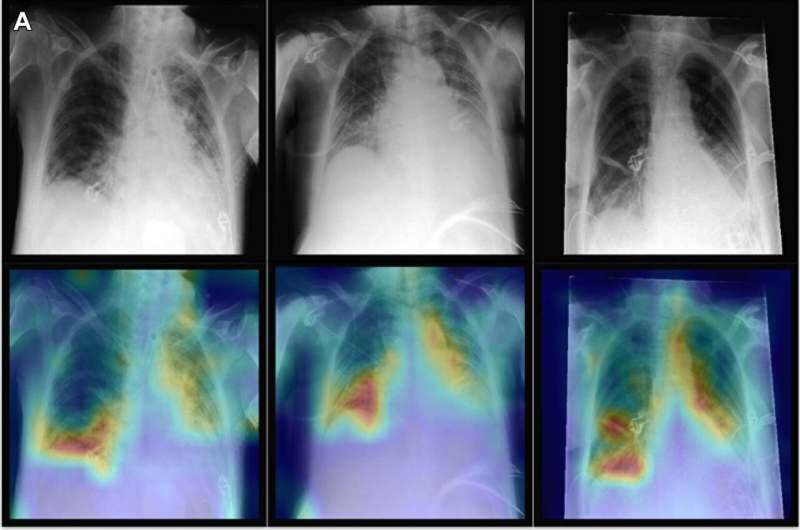
Artificial intelligence can now help examine some medical images before a radiologist reviews them. Andrew Ting explains that this technology can flag possible concerns, but it doesn't make the doctor's expertise unnecessary. Your scan still needs a trained professional who can interpret the images within the larger picture of your health.
AI Can Help Sort Through Large Amounts of Imaging
Radiologists may review many images in a single workday. A CT scan, for example, can contain many individual images that must be examined carefully for possible abnormalities. AI can help by analyzing images and highlighting areas that may deserve a closer look.
This is especially useful when software is designed to recognize specific patterns or measurements. The system may flag an area for review rather than requiring the radiologist to find every possible concern without assistance. The radiologist can then examine that finding and decide whether it is medically meaningful.
A Flag Is Not the Same as a Diagnosis
Seeing something unusual on an image does not automatically reveal what caused it. Different conditions can sometimes produce similar appearances, while harmless findings may look concerning without additional context. This is one reason a computer generated alert cannot simply be treated as a final diagnosis.
Radiologists are trained to consider what a finding looks like, where it appears, and how it relates to surrounding structures. They can also determine whether an apparent abnormality might be caused by movement, imaging technique, or another explanation. That judgment becomes particularly important when the next decision could involve more testing or treatment.
Your Medical History Can Change the Meaning
A scan is only one part of the information available to your healthcare team. Your symptoms, previous illnesses, medications, age, recent procedures, and reason for having the scan can all affect how the images are interpreted. An AI system may not have access to every relevant detail.
Radiologists can review the clinical information provided with the imaging request and use it while examining the scan. A finding that deserves immediate attention in one patient may have a familiar explanation in someone with a known medical condition or previous surgery. Understanding that background helps the radiologist decide what to include in the report.
Previous Scans Can Tell an Important Story
Sometimes the most useful information comes from comparing today's image with one taken months or years earlier. A spot that has remained unchanged for a long time may look different from one that has recently appeared or grown. Changes over time can provide clues that a single scan cannot.
Radiologists often compare current images with previous studies when those records are available. They can look for changes in size, shape, location, or appearance and describe those differences in the report. AI may assist with measurements, but the doctor still has to decide what those changes could mean for the patient.
AI Can Make Mistakes Too
Medical AI isn't always correct when it identifies or overlooks something. Software can produce false alarms by marking areas that are not actually concerning, and it can sometimes miss findings that deserve attention. Its performance can also vary by scan type and the task it was designed to perform.
That is why an AI result needs to be treated as another piece of information rather than unquestioned proof. A radiologist can disagree with a software alert after examining the images and considering the patient's circumstances. Human review provides an important layer of judgment before imaging findings influence medical decisions.
Radiologists Look Beyond What AI Was Asked to Find
An AI program is generally built and tested for particular tasks rather than every possible problem visible on a scan. Software designed to identify one type of abnormality may not be intended to evaluate unrelated findings elsewhere in the images. Patients can have unexpected issues that were not the original reason for the examination.
A radiologist reviews the study with a broader understanding of anatomy and disease. While investigating the original concern, the doctor may notice another finding that needs to be mentioned or investigated further. That broader review matters because the human body does not limit itself to the specific question a computer was programmed to answer.
Image Quality Can Affect the Result
Not every medical image is clear. Patient movement, metal objects, body position, equipment settings, and other factors can affect how a scan looks. These issues may make certain areas harder for both software and people to evaluate.
A radiologist can recognize when image quality limits what can reasonably be concluded from a study. The doctor may still interpret most of the examination while explaining which areas were difficult to assess. In some cases, another image or a different type of examination may be recommended to answer the remaining question.
The Radiologist Communicates With Your Healthcare Team
Interpreting a scan involves more than spotting an unusual area on a screen. Radiologists prepare reports that describe key findings and explain how they may relate to the reason the examination was ordered. Their conclusions help other healthcare professionals decide what should happen next.
Some findings may need urgent communication rather than simply appearing in a routine report. The radiologist can contact the appropriate healthcare professional when an imaging result requires prompt attention. This communication is part of medical care and cannot be reduced to software marking an image.
AI Works Best as a Tool for the Radiologist
The most practical role for AI in imaging is often to assist the medical professional rather than compete with one. It can help with tasks such as identifying possible abnormalities, making measurements, organizing information, or flagging studies that may require faster review. The radiologist then decides how useful that information is for the case in front of them.
This combination lets technology handle repetitive or highly focused tasks while leaving medical interpretation to the clinician. Radiologists bring knowledge of anatomy, disease, imaging limitations, and the patient's clinical situation to that process. AI can provide another set of observations, but those observations still need medical judgment.
Final Thoughts
Having AI involved in a scan does not mean a computer is making the final call. Andrew Ting points to the role radiologists still play in reviewing previous scans, considering a patient's history, and deciding which findings actually matter. AI can help with the workload, but a doctor's judgment is still needed before scan results are used to make decisions about someone's care.