
Deep-Fried Turkey Is a Southern Thanksgiving Tradition That Calls for Careful Burn Safety
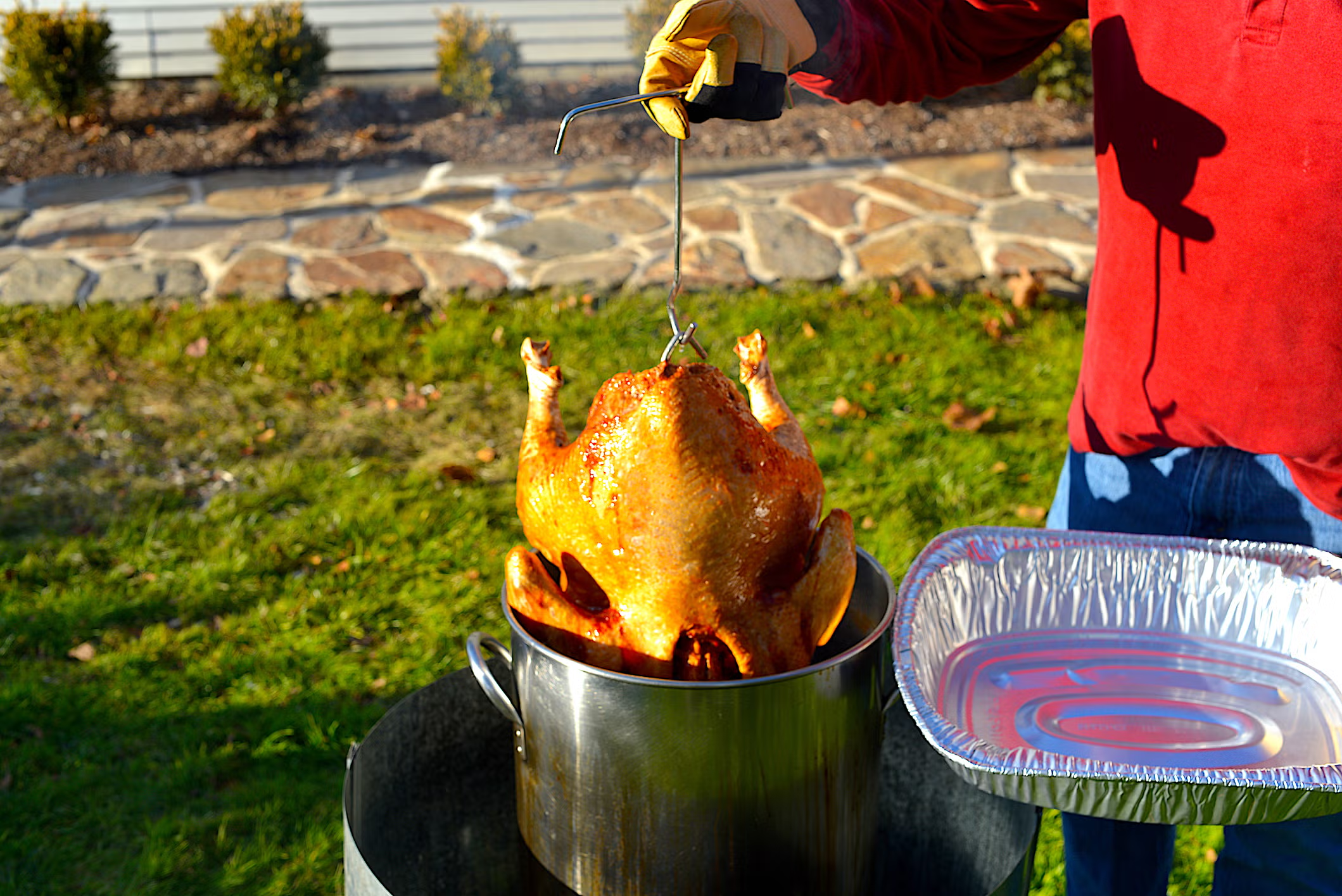
In many Southern kitchens, Thanksgiving dinner would not feel quite right without a turkey taking center stage. Some families roast theirs in the oven, while others swear by the crisp skin and juicy meat that come from deep frying. The method has its fans, but it also comes with risks that are easy to underestimate when everyone is busy getting dinner ready. Knowing when to seek help from Premier Medical Urgent Care is useful, but keeping burns from happening in the first place matters even more. A little preparation can help keep a holiday gathering focused on good food instead of an unexpected trip for medical attention.
Why Deep Fried Turkey Needs Extra Attention
Deep frying a turkey is different from frying a few pieces of chicken on the stove. A whole bird is more cumbersome for these reasons:
- very heavy
- often slippery to handle
- filled with moisture that reacts badly with hot oil
Turkey fryers can also hold several gallons of oil at temperatures high enough to cause serious burns in seconds. Add a crowded backyard, excited children, and people carrying plates in and out, and there are plenty of opportunities for an accident.
One common mistake is using a fryer that is too small for the turkey. When the bird goes into the pot, oil can spill over the sides and land on the burner below; if the burner has an open flame, that overflow can ignite and cause a dangerous fire. Before cooking, check the manufacturer’s instructions and make sure the turkey and the amount of oil are suitable for the equipment.
Choose the Right Place to Cook
A turkey fryer belongs outdoors on a flat, stable surface, well away from the house. It must also be away from your garage or wooden deck. On top of that, keep it far from anything else combustible that could catch fire. Never set one up inside these areas:
- a kitchen
- beneath a covered porch
- in an enclosed space where fumes can build up
Wind can also affect the burner and carry flames toward nearby objects, so choose the location carefully. Keep the cooking area separate from the main gathering spot.
Children and pets should stay well away from the fryer, even when it appears to be sitting quietly. Hot oil does not need to splash dramatically to cause an injury. Someone brushing against the pot or tripping over a hose can be enough to knock equipment off balance. Set a clear boundary around the cooking area and ask guests to leave the cook some room to work.
Make Sure the Turkey Is Ready
Putting a frozen or partly frozen turkey into hot oil is one of the most dangerous mistakes a home cook can make. Ice turns into steam rapidly, pushing oil out of the pot and potentially causing a fire. Thaw the turkey completely in the refrigerator, allow enough time for the process, and remove any excess moisture from the bird before frying. Never try to speed things up by lowering a frozen turkey into the fryer.
Before heating the oil, measure how much the pot needs using the manufacturer’s recommended method. Many fryer instructions explain how to determine the proper fill level so the oil does not overflow when the turkey is added. Additional safety hacks to bear in mind:
- wear protective equipment recommended for the fryer
- heat-resistant gloves are a must
- ensure the correct tools for lower/ lift the bird slowly
- Keep face and hands away from the pot
Know What to Do if Someone Gets Burned
Even careful cooks can have an accident, so it helps to know what to do before one happens. For a thermal burn, move away from the heat source and cool the affected area under cool running water for about 20 minutes if possible. Do not apply ice, butter, or greasy ointments, and avoid pulling away clothing that has stuck to the skin. Cover the burn loosely with a clean, non-fluffy dressing once it has cooled.
Hot oil burns can be particularly serious because the oil sticks to the skin and holds heat against it. Call 911 for extensive or deep burns, burns involving the face or airway, or other signs of a medical emergency. Large burns, burns affecting the hands or joints, and injuries with significant blistering also need prompt medical assessment. For less severe injuries, Urgent Care North Charleston may be an option if the clinic can assess the type and severity of the burn, but call emergency services when the injury appears serious.
Keep Fire Safety Equipment Close
Before lighting the burner, check that the fryer is stable and that the hose and connections are in good condition. Keep children away from the propane tank and make sure it is positioned according to the manufacturer’s directions. Have a suitable fire extinguisher rated for the type of fire risk nearby, and learn how to use it before cooking begins. Never pour water on a grease fire because it can spread burning oil violently.
If the oil catches fire, do not try to move the fryer or carry the pot outside. Turn off the fuel supply only if you can do so safely, and evacuate the area if the fire does not go out immediately. Call 911 and let firefighters handle a fire that is spreading or cannot be controlled safely. A turkey dinner is never worth risking a serious injury.
Final Word
Deep-fried turkey can be a wonderful part of Thanksgiving, provided the cook respects how quickly hot oil can become dangerous. Thaw the bird completely, set up the fryer outdoors, and keep children and guests at a safe distance. If a burn happens, Premier Medical Urgent Care may be able to help with an appropriate minor injury, while serious burns require emergency care. A few sensible precautions can help everyone enjoy the meal and make it to dessert safely.