
Beyond the Brush: Modern Preventive Dentistry Strategies Every Family Needs
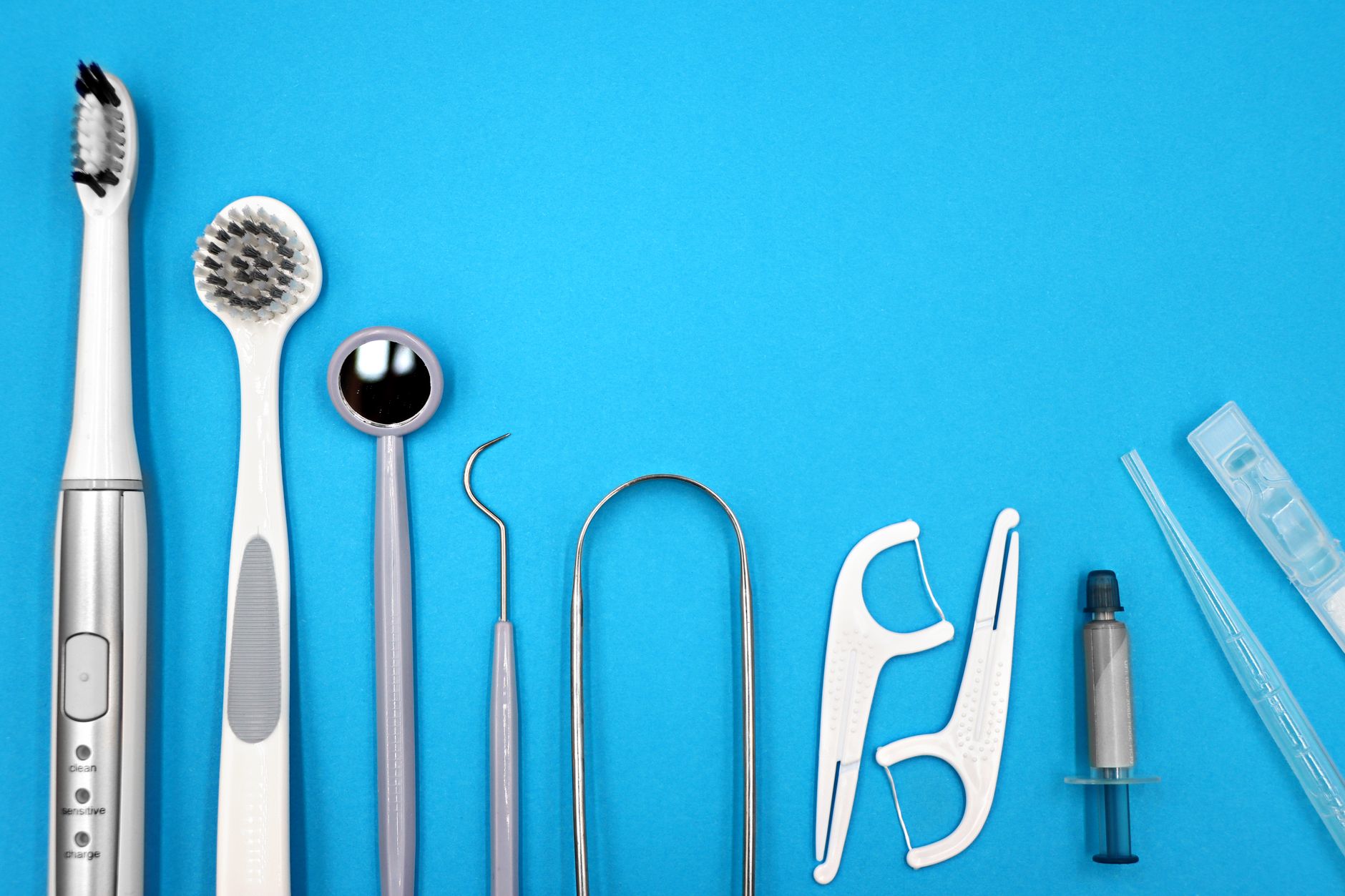
Dental health often sits in a peculiar spot in personal wellness. Most people know they should brush twice a day and floss, yet oral health issues remain among the most common chronic conditions worldwide. According to the World Health Organization, oral diseases affect nearly 3.5 billion people globally, with untreated dental caries (tooth decay) in permanent teeth being the single most common condition.
The gap between knowing basic oral hygiene and maintaining optimal dental health usually comes down to practical execution and understanding modern preventive care. Dental care has evolved past reactive fillings and emergency tooth extractions. Today, preventive dentistry offers proactive solutions designed to preserve natural tooth structure, optimize oral microbiomes, and protect long-term health across every stage of life.
The Shift from Reactive Treatment to Proactive Care
For decades, the standard approach to dental care was simple: wait for a cavity or toothache to develop, visit the clinic, and get a drill-and-fill treatment. Modern restorative and preventive dentistry flip this script by focusing on early interception and risk assessment.
Dentists now look at oral health through the lens of individual risk factors—evaluating salivary flow, dietary habits, systemic health conditions, and enamel density long before structural damage occurs.
Understanding the Oral Microbiome
Your mouth houses hundreds of species of bacteria. While some contribute to plaque formation and enamel demineralization, others act as the primary defense against pathogens.
- Demineralization vs. Remineralization: Every time you eat carbohydrates or sugars, bacteria produce acid that strips minerals from tooth enamel. Saliva naturally neutralizes this acid and deposits minerals like calcium and phosphate back into the enamel.
- The Role of Saliva: Reduced salivary flow—whether caused by dehydration, medications, or age—drastically increases the risk of rapid cavity progression.
- Targeted Interventions: Modern protocols use high-concentration fluoride varnishes, hydroxyapatite pastes, and targeted antimicrobial rinses to restore balance rather than indiscriminately stripping the oral cavity of all bacteria.
Modern Diagnostic Tools Changing Patient Outcomes
Visual inspections with a mirror and explorer are no longer the sole diagnostic tools in a clinic. Advanced dental practices utilize digital radiographs with low radiation exposure, intraoral cameras that show high-definition imagery of hairline fractures, and laser fluorescence devices that detect enamel breakdown beneath the surface before a visible cavity forms.
When searching for comprehensive care for your household, it helps to evaluate practices based on their investment in modern diagnostic technology. For instance, if you are located in Northern California and need comprehensive care, you can check out this dentist in redwood city ca to see how a modern practice structures its diagnostic and preventive services.
Tailoring Dental Hygiene to Every Stage of Life
A family’s dental needs vary significantly across age groups. What works for a toddler gaining their first set of primary teeth will not suffice for an adult dealing with gum recession or an older family member managing dry mouth.
Pediatric Dentistry: Building the Foundation
Early childhood experiences shape a person’s lifelong attitude toward dental care. Primary teeth act as essential placeholders for permanent teeth, guiding jaw development and speech formation.
- First Visit Milestone: Children should visit the dentist by their first birthday or within six months of their first tooth erupting.
- Dental Sealants: Applying thin, protective plastic coatings to the deep grooves of permanent molars reduces the risk of decay in those teeth by up to 80% over two years.
- Habit Monitoring: Early evaluation helps identify issues like prolonged thumb sucking, mouth breathing, or tongue thrusting that can alter palatal growth and tooth alignment.
Adult and Senior Care: Protecting Gums and Existing Restorations
As adults age, the primary threat to tooth retention often shifts from simple cavities to periodontal (gum) disease and wear-and-tear on existing dental work.
- Periodontal Health: Gum disease is a chronic inflammatory condition that affects the soft tissue and bone supporting the teeth. Uncontrolled inflammation in the gums has been clinically linked to systemic conditions, including cardiovascular disease and diabetes.
- Root Caries: As gums naturally recede over time, exposed root surfaces lack the hard enamel protection of the crown, making them significantly more vulnerable to rapid decay.
- Maintenance of Restorations: Crowns, fillings, and implants require regular evaluation. Microscopic gaps can form around aging restorations, allowing bacteria to cause decay underneath existing work.
Practical Daily Habits That Go Beyond Basic Brushing
Professional cleanings remove hardened tartar (calculus) that cannot be brushed away at home, but daily habits determine what happens between those six-month visits.
- Optimize Your Brushing Technique: Electric toothbrushes with pressure sensors outperform manual brushing by removing significantly more plaque without applying damaging force to the gumline. Aim for two full minutes twice daily.
- Clean Between the Teeth: Flossing, interdental brushes, or water flossers reach the 35% of tooth surfaces that standard toothbrush bristles miss.
- Mind the Timing of Acidic Foods: Brushing immediately after consuming acidic foods or drinks (like coffee, citrus, or soda) can scrub away temporarily softened enamel. Wait at least 30 minutes, or rinse thoroughly with plain water first.
- Hydrate Frequently: Water helps wash away food debris, maintains adequate saliva production, and neutralizes oral acids throughout the day.
Taking Control of Your Family’s Oral Health
Maintaining healthy teeth and gums does not require complex routines, but it does require consistency and the right professional support. By moving away from reactive visits and embracing a proactive, technology-driven approach to preventive care, you protect both your physical health and your family’s long-term comfort.
Take a quick audit of your family’s current oral health routine today. Are you due for a routine clean and digital checkup, or is it time to upgrade your home care tools? Scheduling a preventive consultation with a qualified dental provider is the single most effective step you can take to safeguard your smile for years to come.