
Beyond the Surface: How Modern Dental Care Is Transforming Patient Expectations
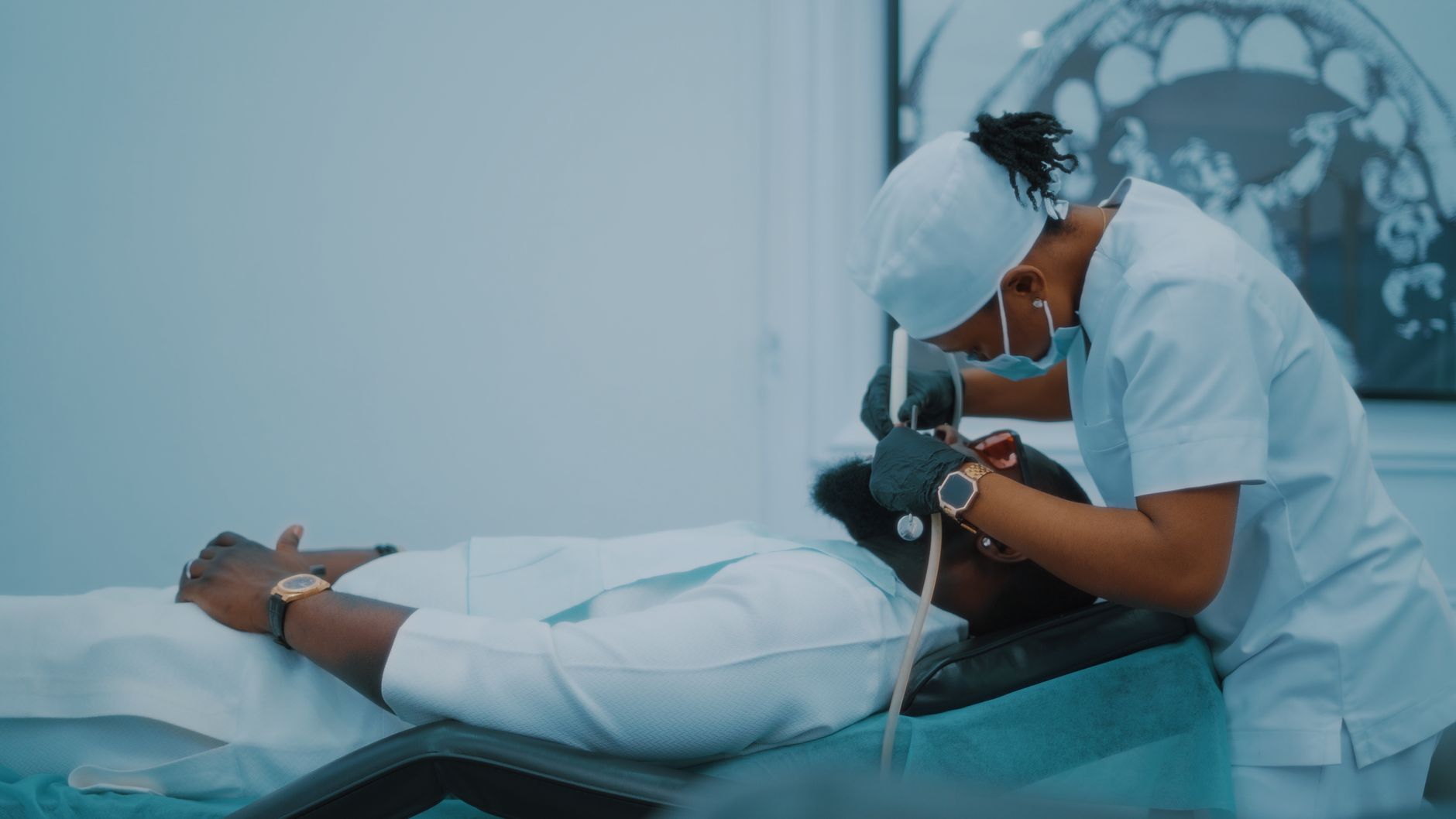
When people think about visiting the dentist, anxiety often overrides action. According to recent survey data from the American Dental Association, nearly 42% of Americans report delaying or avoiding dental visits due to fear, perceived cost, or past uncomfortable experiences. However, the dental industry has undergone a quiet revolution over the past decade. The focus has shifted from reactive repair to proactive, patient-centered care that combines preventative science with high-end aesthetic restoration.
Modern dental practices are changing this dynamic entirely. By pairing minimally invasive techniques with advanced diagnostic tools, clinicians are helping patients maintain lifelong oral health while simultaneously achieving the smiles they have always wanted. Whether you are managing routine care for your family or exploring restorative options, understanding how modern treatments work is the first step toward making informed decisions about your oral health.
The Shift From Reactive to Preventative Family Dentistry
For generations, family dentistry followed a predictable cycle: wait for a toothache, visit the clinic, receive a filling or extraction, and repeat. Today, the core philosophy of oral health relies on dynamic preventative care designed to stop decay and structural damage long before they require extensive procedures.
Advanced Diagnostic Tools in Routine Care
Modern dental exams go far beyond a basic manual probe and visual check. Digital radiography now reduces radiation exposure by up to 80% compared to traditional film X-rays while producing high-resolution images instantly.
In addition, intraoral cameras allow patients to view real-time, magnified images of their teeth on screen alongside the clinician. This visibility transforms the patient experience from passive receiver to informed participant. When you can clearly see early enamel demineralization or minor micro-fractures, preventative intervention makes practical sense.
Protecting the Biomaterial Ecosystem of the Mouth
Preventative dentistry also focuses heavily on maintaining the natural biome of the oral cavity. Customized fluoride treatments, targeted antimicrobial rinses, and dental sealants are routinely applied to protect vulnerable fissures in molars, particularly for children and teenagers. By preserving the maximum amount of natural tooth structure early on, patients avoid the compound restorative needs that often arise later in adulthood.
Bridging the Gap Between Functionality and Aesthetics
While cleanings and preventative checkups form the foundation of oral care, aesthetic concerns often drive patients to seek professional dental advice. Misaligned, severely stained, chipped, or unevenly spaced teeth do not just affect self-confidence; they can also compromise bite mechanics and make routine hygiene harder to maintain.
Restorative and cosmetic dentistry are no longer separate paths. Modern aesthetic treatments are explicitly designed to restore structural integrity while matching the natural translucent appearance of healthy enamel.
Conservative Restorations and Enamel Preservation
Historically, dramatic smile improvements required extensive tooth reduction to fit heavy porcelain crowns. Modern cosmetic dentistry prioritizes maximum preservation of natural enamel using ultra-thin dental laminates.
Patients seeking long-term cosmetic enhancements often turn to targeted solutions like dental veneers in kissimmee fl to address deep intrinsic discoloration, minor gaps, or worn edge patterns without sacrificing underlying tooth health. By bonding high-strength ceramic materials directly to the prepared enamel, dentists achieve a seamless blend of strength and visual symmetry.
The Role of Digital Smile Design
Another significant advancement in cosmetic treatment planning is Digital Smile Design (DSD). Using 3D intraoral scanners and digital imaging software, dentists can map out a precise blueprint of the patient’s mouth before any physical treatment begins. Patients can review a digital preview of their proposed results, allowing for precise adjustments to tooth shape, symmetry, and shade in real time. This eliminates guesswork and ensures that the final result complements the patient’s unique facial features.
Actionable Steps for Maintaining Optimal Oral Health at Home
Even with access to modern dental technology, long-term oral health depends on daily habits. A thorough home care routine works in tandem with professional care to protect both natural teeth and cosmetic restorations.
- Master proper brushing mechanics: Use a soft-bristled manual or electric toothbrush held at a 45-degree angle to the gumline. Brush gently in short, circular motions for two full minutes twice daily to clear plaque without damaging delicate gum tissue or scratching enamel surfaces.
- Daily interdental cleaning: Brushing misses roughly 35% of tooth surfaces. Daily flossing or the use of interdental brushes is essential for removing bacterial buildup between teeth where cavities frequently develop.
- Monitor dietary habits: Limit frequent exposure to acidic beverages like soda, citrus juices, and sports drinks. Acid weakens enamel, making teeth more susceptible to decay, staining, and wear over time. Drinking water immediately after meals helps neutralize oral pH levels.
- Schedule regular professional cleanings: Professional prophylaxis removes hardened tartar (calculus) that cannot be brushed away at home. Consistent six-month checkups allow your dentist to catch minor changes early.
Building a Lifelong Partnership With Your Dental Team
Achieving a healthy, beautiful smile is not about finding a single quick fix. It is an ongoing process built on communication, accurate diagnostics, and personalized treatment plans tailored to your specific life stage and goals.
By taking an active role in your preventive care and working with experienced professionals who prioritize modern, patient-first techniques, you can protect your natural smile for a lifetime. If you have been delaying a checkup or considering options to improve the appearance and function of your teeth, now is an ideal time to schedule a consultation with your dental provider and take the first step toward long-term oral wellness.