
Finding a Family Dentist in Avon Lake OH: Key Factors to Consider for Long-Term Oral Health
Selecting the right oral health care provider is one of the most important preventive health decisions a family can make. Regular checkups, routine cleanings, and timely treatments prevent small issues—like minor tooth decay or early-stage gingivitis—from escalating into complex, painful conditions. With dozens of clinical practices operating across Lorain County, narrowing down your choices requires evaluating specific operational, technological, and patient-centered factors rather than relying solely on convenience or online advertisements.
Core Qualifications and Clinical Expertise
When evaluating local options, clinical credentials provide the foundation for quality care. Every practicing dentist holds either a Doctor of Dental Surgery (DDS) or a Doctor of Dental Medicine (DMD) degree. Both degrees require identical educational rigor and state licensing board examinations. Beyond basic licensing, top-tier practitioners actively pursue continuing education through organizations such as the American Dental Association (ADA) or the Academy of General Dentistry (AGD).
For families seeking a single practice to treat children, adults, and seniors, general dentistry practices with extended training in pediatric care, orthodontics, or restorative procedures offer distinct advantages.
1.Pediatric Accommodations: Children require specialized approaches, including early decay monitoring, sealants, and behavioral guidance to prevent dental anxiety.
2. Restorative Care: Adults and older patients frequently require treatments like crowns, bridges, and tooth replacement options. Working with experienced dentists in Avon Lake OH ensures access to modern restorative procedures that preserve long-term jaw structure and bite alignment.
3. Emergency Availability: Sudden toothaches, chipped teeth, or lost restorations require prompt action. A quality practice sets aside flexible emergency hours for urgent cases.
Modern Diagnostic Technologies
Dental technology has advanced significantly over the past decade, improving diagnostic accuracy, reducing patient discomfort, and minimizing procedure times. Patients looking for reliable long-term care should ask prospective offices about the equipment used during routine exams and restorative treatments.
Digital X-Rays vs. Traditional Film
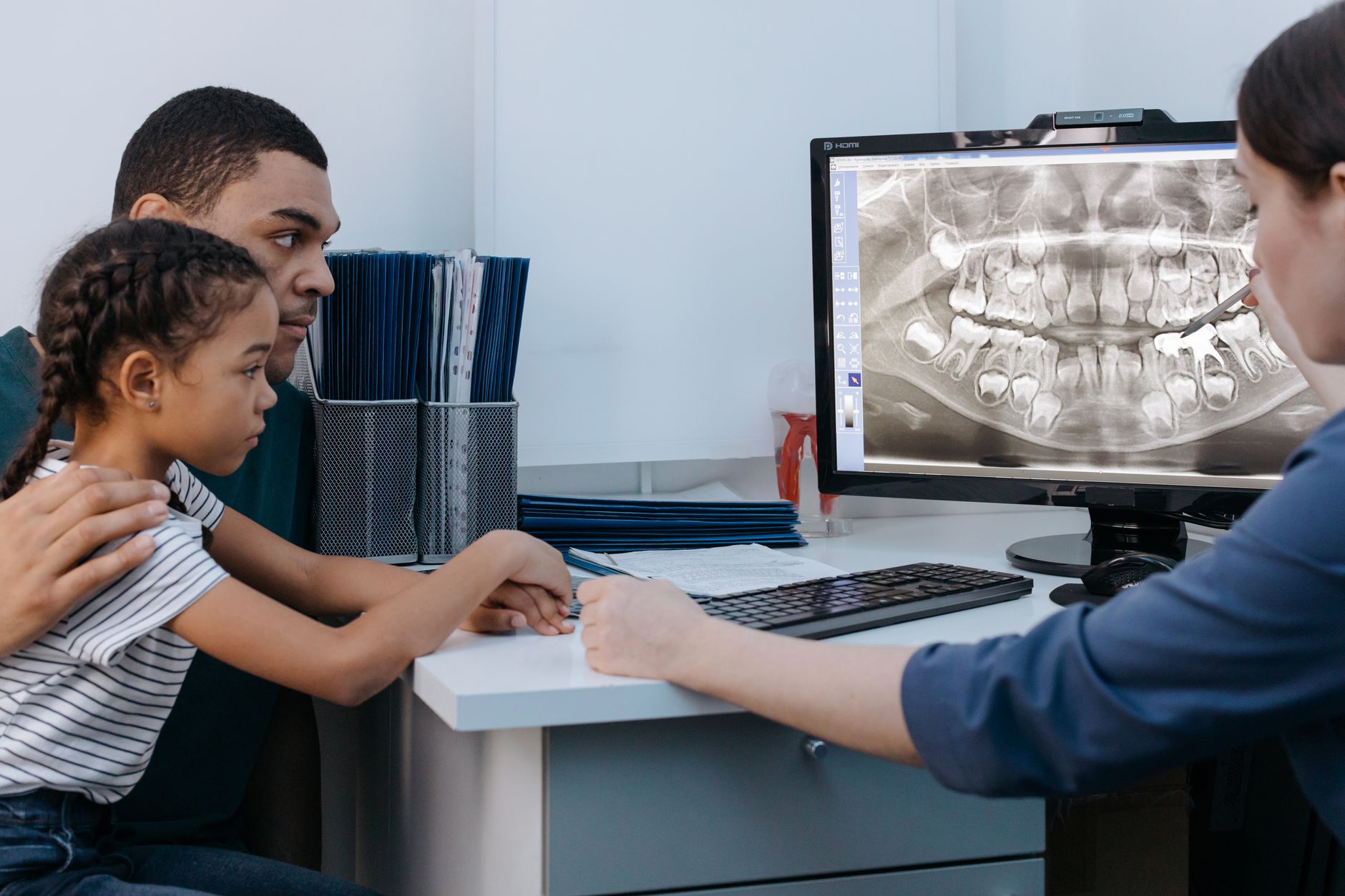
Digital radiography exposes patients to up to 80% less radiation compared to traditional film X-rays. Additionally, digital images render instantly on chairside screens, allowing clinicians to walk patients through their treatment plans visually.
Intraoral Scanning and 3D Imaging
Physical impressions using messy tray putty are increasingly becoming obsolete. Modern practices utilize intraoral scanners to capture precise 3D digital models of teeth in seconds. For complex treatments like implant placement, bone grafting, or root canals, Cone Beam Computed Tomography (CBCT) provides full 3D diagnostic views of jawbone density and nerve pathways, maximizing treatment precision.
Laser Dentistry
Hard and soft tissue lasers allow clinicians to treat gum disease, perform crown lengthening, and prepare minor cavities with less bleeding, minimal swelling, and often without the need for traditional local anesthesia.
Financial Options and Operational Logistics
Clinical quality must be matched by logistical practicality. A dentist whose office hours align with your work schedule and whose administrative team transparently navigates insurance benefits simplifies routine visits.
1.Insurance Network Integration: Confirm whether the practice is in-network with your insurance carrier or if they process out-of-network claims efficiently to maximize your benefits.
2. Flexible Financing Plans: High-quality practices partner with第三方 medical credit providers or offer structured in-house payment plans for non-covered or elective procedures.
3. Office Hours and Scheduling: Practices offering early morning or late afternoon appointments accommodate school and work commitments without requiring taken time off. Family block-scheduling—where multiple family members receive cleanings during the same visit—saves considerable time.
Patient Comfort and Practice Environment
The physical environment and staff demeanor play a significant role in patient retention and compliance with regular checkups. Dental anxiety affects millions of adults and children, often leading to missed appointments and avoidable oral health degradation.
During an initial visit or consultation, observe the environment carefully. Friendly, patient-focused administrative staff, clean treatment rooms, and clinicians who listen to your concerns without rushing reflect high standards of care. For anxious patients, inquire whether the practice offers sedation options, ranging from mild nitrous oxide (laughing gas) to oral conscious sedation, to ensure comfortable visits.
Making an informed choice involves balancing technical capability with genuine patient care. By prioritizing comprehensive credentials, modern diagnostic tools, transparent financial policies, and a welcoming environment, you ensure your family receives reliable oral health care for years to come.
Are you looking for a new provider for routine preventive cleanings, or do you have specific restorative treatment needs to address?