
Reclaiming Your Smile: A Practical Guide to Restorative Dentistry and Tooth Replacement
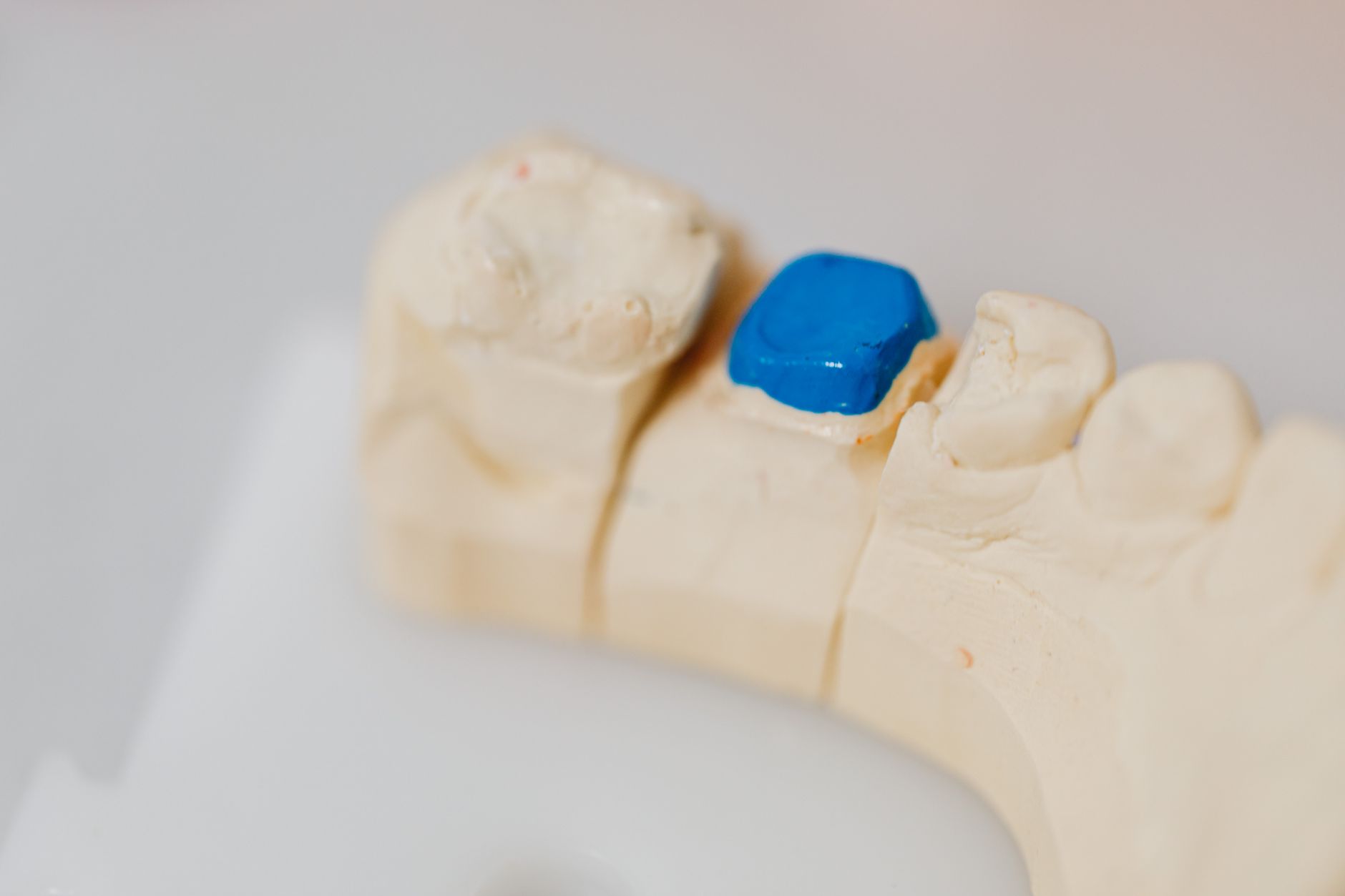
Losing a tooth affects far more than the way a smile looks. According to data from the American Association of Oral and Maxillofacial Surgeons, nearly 69% of adults aged 35 to 44 have lost at least one permanent tooth due to decay, gum disease, or accidental trauma. Beyond the immediate aesthetic change, missing teeth disrupt basic daily habits—making simple meals difficult to chew and causing surrounding teeth to drift out of alignment over time.
Restorative dentistry focuses on repairing damaged teeth and replacing missing ones to protect your long-term oral health. Whether you are dealing with a single missing tooth or evaluating full-mouth reconstruction, understanding your treatment options helps you make informed choices for your family’s health and budget.
Understanding the Consequences of Tooth Loss
When a tooth is lost, the visible gap in your smile is only part of the issue. Beneath the gumline, the surrounding jawbone relies on the stimulation of daily chewing forces to maintain its density. Without that root stimulation, the bone in that specific area begins to resorb or shrink.
This jawbone deterioration creates a ripple effect throughout your entire mouth:
1.Adjacent teeth shift: Neighboring teeth naturally lean or slide into the vacant space, misaligning your bite and creating hard-to-clean pockets that harbor plaque.
2. Bite balance changes: Uneven chewing forces put extra stress on remaining teeth, increasing the risk of premature wear, fractures, and temporomandibular joint (TMJ) discomfort.
3. Facial structure changes: Over time, bone loss in the jaw can lead to a sunken appearance around the mouth and cheeks, making individuals look older than they are.
Addressing missing teeth early prevents these secondary issues from taking hold, saving time and more complex procedures in the future.
Modern Solutions for Restorative Dental Care
Today’s patients have several reliable paths toward restoring function and aesthetics. The right choice depends on the health of your remaining teeth, jawbone density, personal goals, and long-term budget.
Dental Bridges and Crowns
A traditional dental bridge relies on adjacent healthy teeth to anchor a replacement tooth across a gap. While bridges are a proven solution that can be completed in a few appointments, they require reshaping the neighboring natural teeth to fit support crowns. Crowns alone are used to strengthen heavily decayed or cracked teeth, preserving the natural root system whenever possible.
Removable Dentures
For individuals missing multiple teeth or entire arches, full or partial dentures offer a non-surgical way to restore function. Modern materials make custom dentures look far more natural than older designs. However, because they sit directly on the gums, they do not prevent underlying jawbone loss and may require periodic adjustments or refitting as the mouth changes shape over time.
Implant-Based Restorations
Implants represent the standard for permanent tooth replacement because they replace both the root and the crown. A titanium post is surgically placed directly into the jawbone, where it fuses with the bone tissue through a natural process called osseointegration. Once healed, a custom crown, bridge, or fixed denture attaches to the post.
For patients searching for long-term stability and structural support, choosing high-quality dental implants in san antonio provides a replacement solution that functions like natural teeth without requiring alterations to adjacent healthy enamel. Because the artificial root sits in the bone, it helps preserve jaw structure and allows you to eat, speak, and smile with confidence.
What to Expect During the Treatment Process
Restoring your smile is a step-by-step journey tailored to your specific oral health profile. While every patient timeline varies, most comprehensive restorative plans follow a clear progression.
1. Initial Evaluation and Imaging
Your dentist conducts a thorough examination using digital X-rays or 3D cone-beam computed tomography (CBCT) scans. These detailed images evaluate bone density, pinpoint nerve pathways, and check the health of surrounding tissues to determine if treatments like bone grafting or preliminary deep cleanings are needed before moving forward.
2. Surgical Placement or Site Preparation
If you are receiving an implant, the post is positioned into the jawbone during a localized procedure. If a bridge is selected, the supporting teeth are prepared and impression-mapped. For patients needing preliminary care—such as tooth extractions or bone grafting—these steps take place prior to placing permanent hardware.
3. Healing and Osseointegration
For implant treatments, a healing period of three to six months allows the jawbone to fuse securely around the titanium post. During this time, a temporary restoration can often be worn to protect the area and maintain appearance.
4. Custom Restoration Placement
Once healing is complete, your permanent crown, bridge, or fixed arch is custom-crafted to match the color, shape, and size of your surrounding teeth. Your dentist checks the fit, adjusts your bite alignment, and secures the final restoration in place.
Maintaining Your Restored Smile for Life
Investing in restorative dentistry pays dividends for decades when supported by simple daily maintenance. Although artificial restorations cannot develop traditional cavities, the surrounding gum tissue and remaining natural teeth remain vulnerable to plaque accumulation and periodontal disease.
To keep your restored smile healthy:
1.Brush twice daily: Use a soft-bristled toothbrush and non-abrasive toothpaste to clean around restorations without scratching delicate surfaces.
2. Floss daily: Clean between every tooth and under bridge structures using water flossers, interdental brushes, or specialized floss threads.
3. Schedule regular checkups: Visit your dental team twice a year for professional cleanings and examinations. These routine visits allow your dentist to monitor bone stability, check hardware integrity, and treat minor gum inflammation before it becomes a problem.
4. Protect against grinding: If you clench or grind your teeth at night, a custom-fitted nightguard protects both natural teeth and porcelain restorations from excessive wear and fracture.
Taking care of your teeth isn’t just about appearances—it directly affects your overall health, digestion, and daily comfort. Exploring your restorative options with a trusted professional is the best first step toward enjoying a strong, healthy smile for years to come.
Are you or a family member weighing options for tooth replacement? What factors—like treatment timeline, long-term durability, or comfort—matter most to you when choosing care?