
Frameless Fixed Shower Screen for Bathroom – Clean, Simple, Stylish
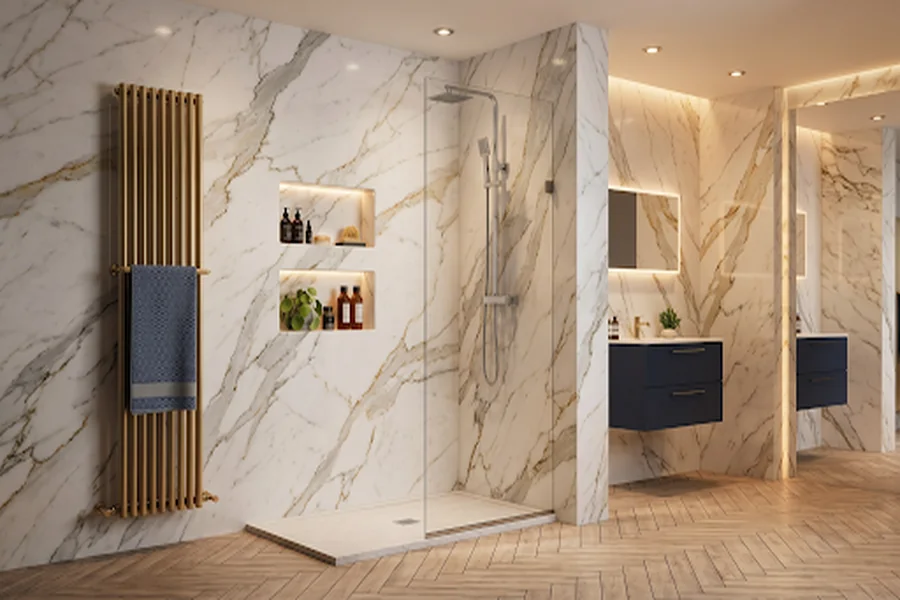
A modern bathroom is no longer just a functional space. It has become a place where homeowners prioritize comfort, simplicity, and lasting design. One feature that continues to gain popularity across the United States is the Frameless Fixed Shower Screen for Bathroom. Unlike traditional shower enclosures with bulky frames or sliding doors, a fixed glass panel creates a clean, open appearance while maintaining effective splash protection.
Whether you’re planning a complete bathroom renovation or simply researching walk-in shower ideas, understanding how fixed shower screens work, the types of glass available, installation considerations, maintenance requirements, and safety standards will help you make an informed decision. This guide explores everything homeowners should know before choosing this increasingly popular shower solution.
Why Fixed Shower Screens Have Become So Popular
Bathroom design trends have shifted toward open, minimalist spaces that feel larger and brighter. Fixed glass shower panels perfectly support this trend because they eliminate unnecessary hardware while allowing natural and artificial light to move freely throughout the room.
Unlike traditional shower doors that require hinges, rollers, or tracks, a fixed shower screen consists of a stationary tempered glass panel secured to the wall and sometimes supported by a stabilization bar. The absence of moving parts reduces mechanical wear and creates a sleek architectural appearance.
This design is especially common in modern walk-in showers, luxury master bathrooms, hotel-inspired renovations, and accessible bathroom layouts.
Understanding the Difference Between Fixed Shower Screens and Shower Doors
Although many homeowners use these terms interchangeably, they serve different purposes.
A shower door is designed to swing, slide, or pivot to fully enclose the shower space. A fixed shower screen remains stationary and typically leaves an opening for entering and exiting the shower.
Because there are fewer moving components, fixed glass panels generally require less maintenance than traditional shower doors. They also provide a cleaner visual appearance since there are no metal tracks collecting water, soap residue, or debris.
The choice ultimately depends on bathroom size, desired aesthetics, and how much splash containment is needed.
Benefits of Choosing a Frameless Design
Frameless glass has become the preferred option for homeowners seeking contemporary bathroom aesthetics.
Creates an Open Visual Space
One of the biggest advantages is how much larger the bathroom appears. Clear glass doesn’t interrupt sightlines, making even compact bathrooms feel significantly more spacious.
This effect is particularly valuable in smaller bathrooms where visual openness contributes to a more comfortable environment.
Enhances Natural Light
Because there are no heavy frames blocking light, sunlight from windows and overhead lighting spreads more evenly throughout the room.
Bathrooms without abundant natural light especially benefit from clear glass installations.
Minimal Hardware Means Easier Maintenance
Traditional framed shower doors often collect soap scum inside metal channels. Fixed frameless panels eliminate most of these areas, making regular cleaning considerably easier.
A simple glass squeegee after each shower often prevents long-term mineral buildup.
Timeless Design Appeal
Bathroom design trends change frequently, but frameless glass has remained consistently popular for decades.
Its neutral appearance complements nearly every interior style, including:
- Modern
- Contemporary
- Scandinavian
- Industrial
- Coastal
- Transitional
- Luxury spa-inspired bathrooms
Types of Glass Used in Fixed Shower Screens
Not all shower glass is identical. Several options are commonly available depending on privacy preferences and design goals.
Clear Tempered Glass
Clear glass remains the most popular choice because it showcases tile work while maximizing brightness throughout the bathroom. It works exceptionally well in bathrooms featuring decorative stone, porcelain tile, or luxury shower walls.
Frosted Glass
Homeowners wanting additional privacy often choose frosted glass. The etched or acid-treated surface diffuses light while obscuring visibility, making it suitable for shared bathrooms.
Low-Iron Glass
Standard clear glass naturally contains a slight green tint caused by iron content. Low-iron glass significantly reduces this coloration, creating exceptional optical clarity and more accurately displaying white marble, natural stone, or colorful tile installations.
Rain or Textured Glass
Decorative textured glass adds visual interest while offering moderate privacy. Various patterns allow light transmission without full transparency.
Common Glass Thickness Options
Safety and durability depend heavily on glass thickness. Residential fixed shower screens commonly use:
- 3/8-inch tempered glass
- 1/2-inch tempered glass
Thicker glass feels more substantial, minimizes vibration, and often creates a more luxurious appearance. Because frameless systems lack surrounding structural frames, adequate glass thickness is essential for stability.
Why Tempered Glass Is the Industry Standard
Building codes and safety standards generally require tempered safety glass in shower applications. Tempered glass undergoes specialized heat treatment that dramatically increases its strength compared to ordinary glass. If broken, it shatters into thousands of relatively small, rounded fragments instead of dangerous sharp shards. This safety characteristic makes tempered glass appropriate for residential bathrooms, hotels, apartments, and commercial properties.
Popular Walk-In Shower Layouts
Fixed shower screens work well in numerous bathroom configurations.
1. Single Fixed Panel
The simplest design consists of one stationary glass panel with an open entrance. This layout works particularly well in compact bathrooms where minimal hardware is preferred.
2. Fixed Panel with Return Panel
Larger showers often include a second fixed panel positioned perpendicular to the primary screen. This arrangement improves splash control while maintaining an open entrance.
3. Corner Walk-In Shower
Corner installations maximize floor space while allowing efficient water containment. These layouts are especially common in modern bathroom remodels.
4. Wet Room Design
Some contemporary homes incorporate wet room concepts where much of the bathroom floor is waterproofed. A single fixed glass panel helps define the shower area without fully enclosing it.
Choosing the Right Size
There is no universal size suitable for every bathroom. Several factors influence ideal dimensions:
- Bathroom layout
- Showerhead location
- Water spray angle
- Door clearance
- Accessibility requirements
- Overall room proportions
Many designers recommend allowing sufficient opening width for comfortable entry while ensuring the glass panel blocks direct water spray. Professional measurements help achieve the proper balance between openness and functionality.
Hardware Options That Complement Frameless Glass
Although frameless designs minimize visible hardware, several components remain necessary.
- Wall channels securely anchor the panel.
- Clamp systems provide a minimalist appearance.
- Support bars increase stability for taller or wider panels.
Finish options commonly include:
- Chrome
- Brushed nickel
- Matte black
- Satin brass
- Oil-rubbed bronze
Choosing hardware that matches faucets and other bathroom fixtures creates a cohesive overall design.
Installation Considerations
Installing a fixed shower screen involves much more than attaching glass to a wall. Walls must be structurally sound and capable of supporting the glass weight. Floor slopes should properly direct water toward the shower drain. Accurate measurements are essential because tempered glass cannot be trimmed after manufacturing. Professional installers typically verify:
- Wall plumbness
- Tile alignment
- Ceiling clearance
- Drain positioning
- Structural backing
- Proper waterproofing
Water Containment and Splash Control
Some homeowners wonder whether an open walk-in shower causes excessive splashing. The answer depends largely on thoughtful design. Several factors influence water containment:
- Placement of the showerhead
- Distance between showerhead and opening
- Glass panel width
- Bathroom ventilation
- Floor slope
- Drain location
Proper planning allows fixed shower screens to control water effectively while preserving the spacious feeling of an open shower.
Cleaning and Long-Term Maintenance
One reason homeowners appreciate frameless shower glass is its relatively simple maintenance routine. Hard water minerals and soap residue naturally accumulate on any shower surface.
- Preventive care greatly reduces buildup.
- A few helpful habits include:
- Using a squeegee after showers.
- Cleaning with a pH-neutral glass cleaner.
- Removing mineral deposits before they harden.
- Keeping bathroom ventilation running to reduce moisture.
- Avoiding abrasive scrubbers that may damage protective coatings.
Many modern glass panels also feature water-repellent coatings that reduce spotting and simplify cleaning.
Accessibility Advantages
Walk-in showers with fixed glass panels are often incorporated into universal design and aging-in-place renovations. Because there is no swinging or sliding door, entry becomes easier for individuals using mobility aids. Curbless shower designs paired with fixed glass screens create improved accessibility while maintaining a sophisticated appearance. These layouts are increasingly common in new residential construction.
Energy Efficiency and Bathroom Comfort
Although shower screens are not insulation products, bathroom layout can influence perceived comfort. Proper ventilation, quality waterproofing, and effective moisture management help reduce condensation and humidity.
Combined with efficient exhaust fans, fixed shower screens contribute to healthier indoor environments by reducing excessive moisture accumulation that could otherwise encourage mold growth.
Final Thoughts
The frameless fixed shower screen for the bathroom continues to represent one of the most practical and visually appealing choices for modern bathrooms. Its combination of minimalist aesthetics, durable tempered glass, simplified maintenance, and compatibility with walk-in shower designs explains why it remains a favorite among architects, interior designers, and homeowners alike.
Understanding glass types, installation requirements, sizing considerations, hardware options, maintenance practices, and safety standards allows homeowners to plan bathroom renovations with confidence. Whether designing a compact guest bath or an expansive spa-inspired master suite, a thoughtfully planned fixed glass shower screen can provide lasting functionality while enhancing the openness and elegance of the entire space.