
Why Every Workout Space Feels Bigger with Frameless Mirrors for Home Gym
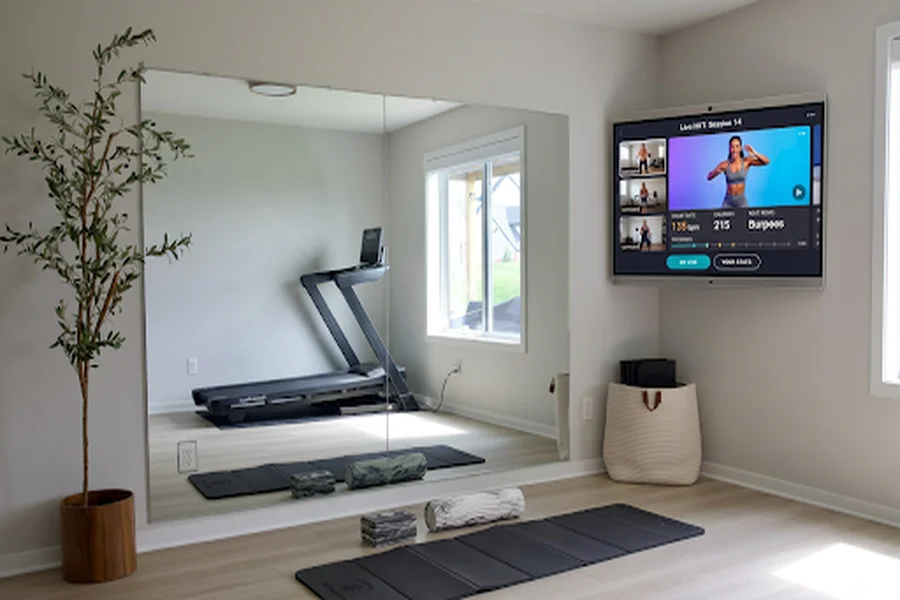
Creating a productive home workout environment is about more than buying quality equipment. Lighting, room layout, and visibility all influence exercise quality, motivation, and safety. Mirrors have long been an essential feature in professional fitness centers because they provide instant visual feedback, improve spatial awareness, and make rooms feel significantly larger. Among today’s most popular choices, frameless mirrors for home gym have become a preferred option for homeowners seeking a clean, modern appearance without unnecessary visual distractions. Their seamless design blends into almost any interior style while offering practical advantages that extend beyond aesthetics.
Whether you’re converting a spare bedroom into a yoga studio or building a dedicated strength training space in a garage or basement, understanding how mirrors influence performance can help you create an environment that supports consistent exercise habits.
Why Mirrors Matter in a Home Fitness Environment
Professional gyms rarely install mirrors simply for decoration. Their primary purpose is to improve movement quality and help exercisers maintain proper form. Visual feedback allows people to monitor posture during squats, deadlifts, lunges, yoga poses, and mobility drills. Instead of relying solely on physical sensation, exercisers can immediately identify issues such as uneven shoulder alignment, excessive knee movement, or improper spinal positioning.
This immediate correction helps develop better movement patterns over time while reducing unnecessary stress on joints.
Mirrors also improve overall room awareness. During functional workouts involving kettlebells, resistance bands, or dynamic movement, seeing surrounding space can reduce accidental collisions with walls or equipment.
A Cleaner Look Creates Better Focus
One reason frameless designs continue gaining popularity is their minimal visual footprint. Traditional framed mirrors introduce additional borders, colors, and decorative elements that can interrupt the visual continuity of a workout space. Frameless panels create nearly uninterrupted reflections that make walls appear larger and more open. This clean appearance works especially well in:
- Garage gyms
- Basement workout rooms
- Home yoga studios
- Pilates spaces
- Dance practice rooms
- Multifunctional home offices
Minimalist design also complements virtually every interior style, from industrial and contemporary spaces to Scandinavian-inspired home gyms.
How Mirrors Make Small Workout Rooms Feel Larger
Interior designers frequently use mirrors to increase the perceived size of compact rooms. Reflection doubles visible depth, creating the illusion of additional square footage. This effect becomes especially valuable in urban homes where workout spaces often occupy spare bedrooms or converted garages.
Natural daylight reflected across the room also improves brightness without additional lighting fixtures. A brighter environment often contributes to increased motivation and reduced feelings of confinement during longer workout sessions.
Better Form Leads to Better Results
Exercise technique determines whether workouts produce consistent progress or recurring injuries. Mirrors provide real-time movement analysis that benefits beginners and experienced athletes alike. For example:
- Weightlifters can verify squat depth.
- Yoga practitioners can refine body alignment.
- Dancers can synchronize movements.
- Functional fitness enthusiasts can monitor shoulder stability.
- Personal trainers can demonstrate techniques more effectively.
Rather than depending entirely on recorded videos, live reflection offers continuous feedback throughout every repetition. Over weeks and months, this repeated self-correction improves movement efficiency and body awareness.
Safety Starts with Choosing the Right Mirror Material
Not every household mirror belongs in a workout room. Fitness environments expose mirrors to vibration, accidental impacts, and occasional equipment contact. Choosing safety-focused materials significantly reduces risk. Most professional installations use tempered glass because it undergoes specialized heat treatment that increases strength compared to standard annealed glass. If breakage occurs, tempered glass typically fractures into smaller rounded fragments instead of large sharp shards. Many fitness professionals also recommend mirrors featuring safety backing films that help retain broken pieces in the unlikely event of damage. These safety considerations become especially important in homes with children or multi-purpose exercise areas.
Lighting and Reflection Work Together
Lighting dramatically changes how mirrors perform inside a home gym. Poor lighting creates uneven reflections that reduce visibility and strain the eyes during exercise. Balanced lighting generally produces the best experience.
Natural daylight remains ideal whenever available. When windows are limited, combining ceiling fixtures with wall-mounted lighting creates consistent illumination across the reflective surface. Avoid positioning bright lights directly behind exercisers, as excessive glare can interfere with visibility. Soft, evenly distributed lighting typically creates the most comfortable workout environment.
Choosing the Right Mirror Size
Mirror dimensions should complement both available wall space and intended workout activities. Someone practicing yoga or stretching may only require a mirror that captures full-body posture from head to toe. Strength training often benefits from larger reflective surfaces covering wider wall sections. Common considerations include:
- Ceiling height
- Distance from exercise area
- Equipment placement
- Viewing angle
- Number of users
Rather than selecting the largest mirror possible, many homeowners focus on creating a reflection that supports their most frequent exercises. Thoughtful sizing often produces a more functional room than maximizing every available inch.
Wall Placement Makes a Difference
Mirror location affects both usability and safety. Many fitness designers recommend placing mirrors on the primary exercise wall where users naturally face during workouts. Avoid installing mirrors where heavy equipment could directly strike the glass during movement. Similarly, mirrors positioned opposite large windows may generate excessive glare depending on the sun’s angle throughout the day.
Planning reflection paths before installation helps maximize visibility while minimizing distractions.
Garage Gyms Benefit from Strategic Mirror Installation
Garage conversions continue growing in popularity across the United States. These spaces often provide sufficient ceiling height for strength training while keeping larger equipment separate from everyday living areas. However, garages also introduce environmental challenges. Temperature fluctuations, humidity, and occasional moisture require durable installation methods and quality materials.
Proper wall preparation and secure mounting systems help ensure mirrors remain stable despite changing environmental conditions. Well-positioned mirrors also brighten garages by reflecting available daylight deeper into the room.
Basement Fitness Rooms Gain More Than Reflection
Basements frequently suffer from limited natural light. Mirrors help compensate by reflecting every available light source throughout the room. The result often feels noticeably brighter and more welcoming. This visual improvement can make lower-level workout areas feel less enclosed, encouraging longer and more enjoyable exercise sessions. Homeowners finishing basement gyms often combine mirrors with lighter wall colors to maximize the sense of openness.
Mirror Maintenance Is Surprisingly Simple
Unlike many fitness accessories, mirrors require relatively little upkeep. Routine cleaning preserves both clarity and appearance. Most experts recommend:
- Microfiber cloths
- Non-abrasive glass cleaners
- Immediate removal of sweat splashes
- Dusting surrounding wall areas regularly
Avoid harsh scrubbing pads that may scratch the glass surface. Keeping mirrors clean ensures accurate reflections while maintaining the room’s overall appearance.
Common Installation Mistakes to Avoid
A successful mirror installation begins long before mounting hardware touches the wall. One common mistake involves overlooking wall construction. Drywall alone may not provide adequate support for large mirror panels without proper anchors or structural reinforcement.
Another frequent issue is poor alignment. Even slight installation inconsistencies become highly noticeable across large reflective surfaces. Incorrect spacing between multiple mirror panels can also interrupt visual continuity.
Professional measurements and careful planning typically produce the cleanest finished appearance.
Home Gyms Continue Evolving
The rapid growth of remote work has changed how Americans think about home wellness spaces. Instead of temporary workout corners, many households now dedicate permanent rooms to exercise, recovery, and overall health.
This evolution has increased demand for thoughtfully designed interiors that balance functionality with aesthetics. Today’s home gyms often incorporate:
- Rubber flooring
- Adjustable lighting
- Smart fitness equipment
- Ventilation improvements
- Acoustic treatments
- Large reflective surfaces
Rather than replicating commercial gyms exactly, homeowners increasingly design personalized spaces that encourage long-term consistency.
Design Trends Favor Minimalism
Modern interior trends continue moving toward cleaner architectural lines and uncluttered spaces. Minimalist workout rooms support focus by reducing unnecessary visual distractions. Continuous reflective walls contribute to this design philosophy without dominating the room. As smart homes become increasingly common, mirrors also complement integrated lighting systems, digital fitness displays, and connected exercise equipment. This timeless appearance means homeowners are less likely to feel the need for future redesigns.
Supporting Long-Term Exercise Habits
Motivation depends on more than discipline. The physical environment influences whether people look forward to exercising or postpone workouts. A well-organized, bright, comfortable space reduces psychological barriers to starting a session.
Mirrors contribute by making rooms feel larger, helping users monitor progress, and creating an environment that resembles professional fitness facilities. Over time, these subtle environmental improvements can reinforce positive exercise routines.
Conclusion
Designing an effective home gym requires balancing safety, functionality, comfort, and aesthetics. Mirrors play a central role in achieving that balance by improving movement awareness, increasing perceived space, enhancing lighting, and supporting proper exercise technique. When thoughtfully planned and correctly installed, frameless mirrors for home gym provide lasting value for a wide range of fitness activities, from strength training and yoga to dance, mobility work, and general wellness. Combined with quality lighting, durable flooring, and smart room planning, they help transform ordinary spaces into practical environments that encourage healthier daily routines.