
Free vs. Paid Help: Understanding Your Options With VA Disability Claim Experts
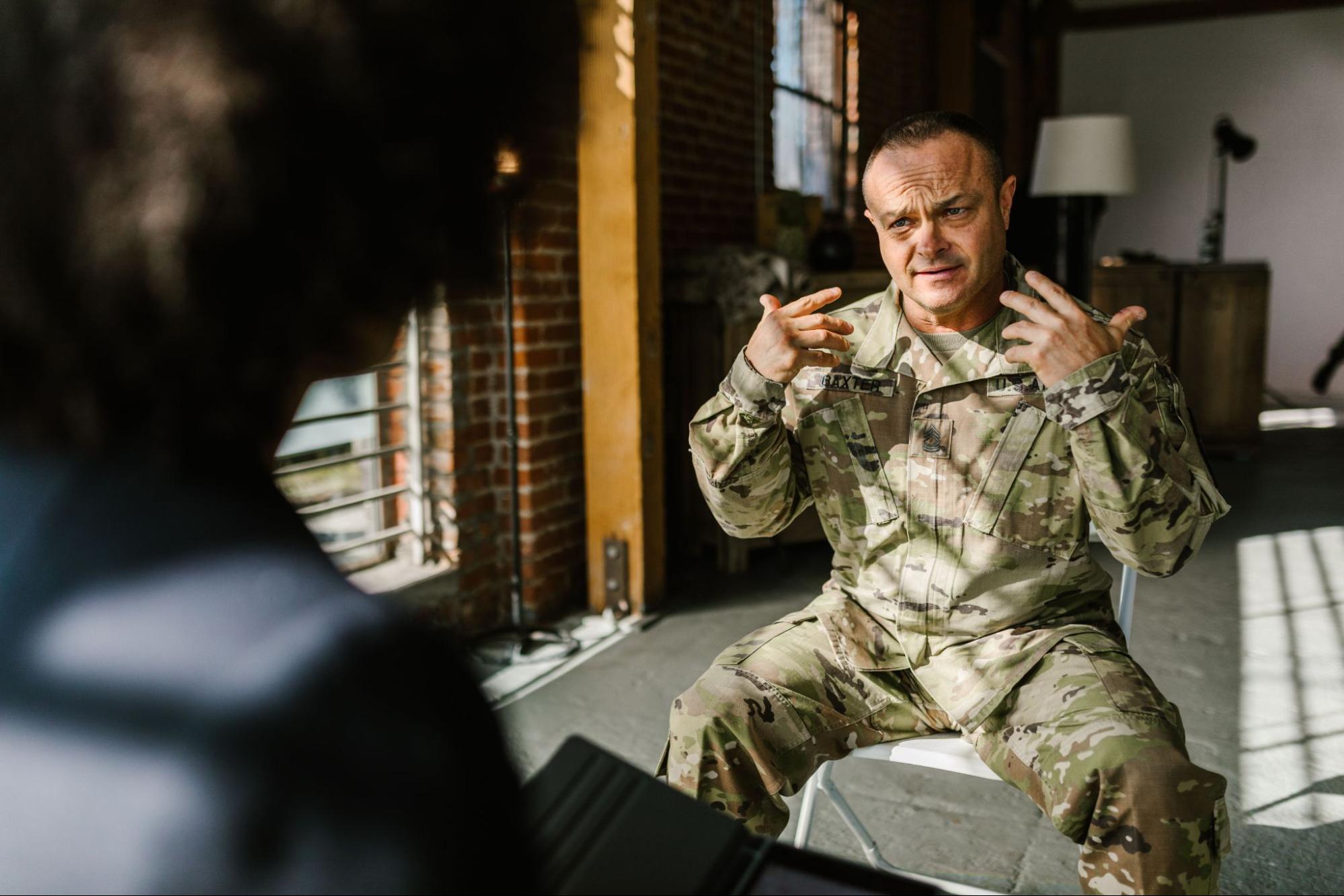
Most veterans don't set out to hire help. They start a claim on their own, hit a wall, either a confusing form, a denial, or a rating that doesn't match reality, and only then start asking who else can help. At that point, the field of VA disability claim experts looks a lot bigger and more confusing than it needs to be, mixing free service organizations, paid attorneys, claims agents, and independent medical evaluation providers into one blurry category.
Understanding what separates these types of VA disability claim experts, and what each one is actually allowed to do, makes it much easier to figure out which kind of help fits a specific situation instead of picking based on whichever name comes up first in a search.
The Three Categories Veterans Actually Encounter
Almost every source of outside help falls into one of three categories, and confusing them is where a lot of veterans lose time.
|
Category |
Cost |
What They Do |
What They Don't Do |
|
Veterans Service Organizations (VSOs) |
Free |
File claims, submit evidence, represent veterans before the VA |
Provide medical exams or evaluations |
|
VA accredited attorneys and claims agents |
Paid, usually contingency based |
Represent veterans in disputes, appeals, and complex claims |
Diagnose conditions or conduct medical exams |
|
Independent medical evaluation providers |
Paid |
Coordinate exams that document diagnosis, severity, and functional impact |
Represent veterans before the VA or provide legal advice |
Every one of these can reasonably be called part of the broader group of VA disability claim experts, but they solve different problems, and paying for one doesn't replace the need for another.
What VSOs Actually Provide
VSOs are usually the first type of VA disability claim experts a veteran encounters, mainly because they're free and widely available. Veterans Service Organizations, including groups like the DAV, VFW, and American Legion, offer free, accredited representation. A VSO representative can help fill out forms, gather existing records, and submit a claim correctly the first time. For straightforward claims involving a single, well documented condition, this is often all a veteran needs.
The tradeoff is caseload. VSO representatives are frequently managing dozens or hundreds of active cases at once, which means the amount of individualized attention available for any single claim can vary widely depending on the office and the representative. This isn't a criticism of the model, it's simply a reality of a free, high volume service, and it's worth knowing going in.
What Paid Representation Actually Provides
Attorneys and claims agents are among the more visible VA disability claim experts, but access to them comes with rules most veterans don't learn about until they need them. VA accredited attorneys and claims agents are legally allowed to charge fees, but only under specific conditions set by VA rules, and generally only after a claim has already received an initial decision. This means paid representation tends to enter the picture during appeals, Higher-Level Reviews, or Supplemental Claims rather than a first-time filing. Fees are typically contingent, meaning the representative is paid a percentage of any past due benefits the veteran actually receives, not an upfront charge.
This structure matters because it changes the incentive. Paid VA disability claim experts in this category generally take on cases they believe have a real chance of success, which can work in a veteran's favor when the case is complicated, but it also means straightforward claims rarely need this level of representation.
Where Independent Medical Evaluations Fit In
Independent medical evaluation providers are a less understood category of VA disability claim experts, mainly because their role has nothing to do with representation. This category occupies a space that's easy to misunderstand. They are not VSOs and they are not law firms, and they don't represent a veteran in front of the VA the way an accredited attorney or agent does. What they provide instead is medical documentation: an exam focused specifically on capturing diagnosis, severity, and functional impact in the level of detail a claims file needs.
This matters because a strong VSO or attorney can only work with the evidence that exists. If the underlying medical record is thin or vague, even excellent representation has limited material to work with. This is where paying for an independent evaluation, separate from paying for representation, can make a measurable difference, particularly for veterans managing multiple conditions or preparing a Supplemental Claim after a denial.
When Free Help Is Usually Enough
Not every veteran needs to pay for VA disability claim experts, and knowing when free help is enough saves both time and money. A veteran filing an initial claim for one condition, with solid treatment records and a clear connection to service, often does fine with VSO support alone. The paperwork is straightforward, the evidence largely speaks for itself, and there isn't a dispute to litigate. Paying for additional VA disability claim experts in this situation usually isn't necessary.
When Paid Help Tends to Make a Difference
Paid VA disability claim experts earn their cost more clearly in a few recurring situations: a claim that's already been denied, a rating that seems inconsistent with the severity of the condition, a case involving several interacting conditions, or a TDIU claim where the evidence has to connect multiple limitations to one outcome. In these cases, the complexity of the file often exceeds what a single, high caseload representative can fully develop, and paid VA disability claim experts, whether legal or medical, tend to bring more focused attention to the specific gap causing the problem.
Questions to Ask Before Paying for Help
Before paying any of the VA disability claim experts in this space, a short list of direct questions can save a lot of wasted money.
- Is this person or organization actually VA accredited, and can they confirm it directly
- Is the fee structure clear, including when payment is owed and how much
- Does this service represent me before the VA, provide medical documentation, or neither
- What specific gap in my current claim does this address
- What happens if the outcome doesn't change after paying for help
Asking these questions upfront prevents the most common mistake veterans make with paid VA disability claim experts: paying for a service that doesn't actually address the problem in their file.
Choosing the Right Type of Support
There is no single best option for every veteran. The right type of support depends on where you are in the claims process and what obstacle you're trying to overcome. Some veterans only need help filing paperwork, while others need legal representation during an appeal or additional medical documentation to address gaps in the record. Understanding what each type of assistance provides can help you choose the service that matches your needs instead of paying for support that doesn't address the underlying issue.
REE Medical coordinates independent medical evaluations completed by licensed healthcare professionals for veterans seeking more comprehensive medical documentation. Veterans interested in learning more about the evaluation process can visit REE Medical.
Disclosure
DISCLAIMER: REE Medical, LLC is not a Veterans Service Organization (VSO) or a law firm and is not affiliated with the U.S. Veterans Administration ("VA"). Results are not guaranteed, and REE Medical, LLC makes no promises. REE Medical's staff does not provide medical advice or legal advice, and REE Medical is not a law firm. Any information discussed, such as, but not limited to, the likely chance of an increase or service connection, estimated benefit amounts, and potential new ratings, is solely based on past client generalizations and not specific to any one patient. The doctor has the right to reject and/or refuse to complete a Veteran's Disability Benefit Questionnaire if they feel the Veteran is not being truthful. The Veteran's Administration is the only agency that can make a determination regarding whether or not a Veteran will receive an increase in their service-connected disabilities or make a decision on whether or not a disability will be considered service-connected. This business is not sponsored by, or affiliated with, the United States Department of Veterans Affairs, any State Department of Military and Veterans Affairs, or any other federally chartered veterans service organization.