
Gear Most Beginner Shooters Forget: Hearing, Eyes and Lungs
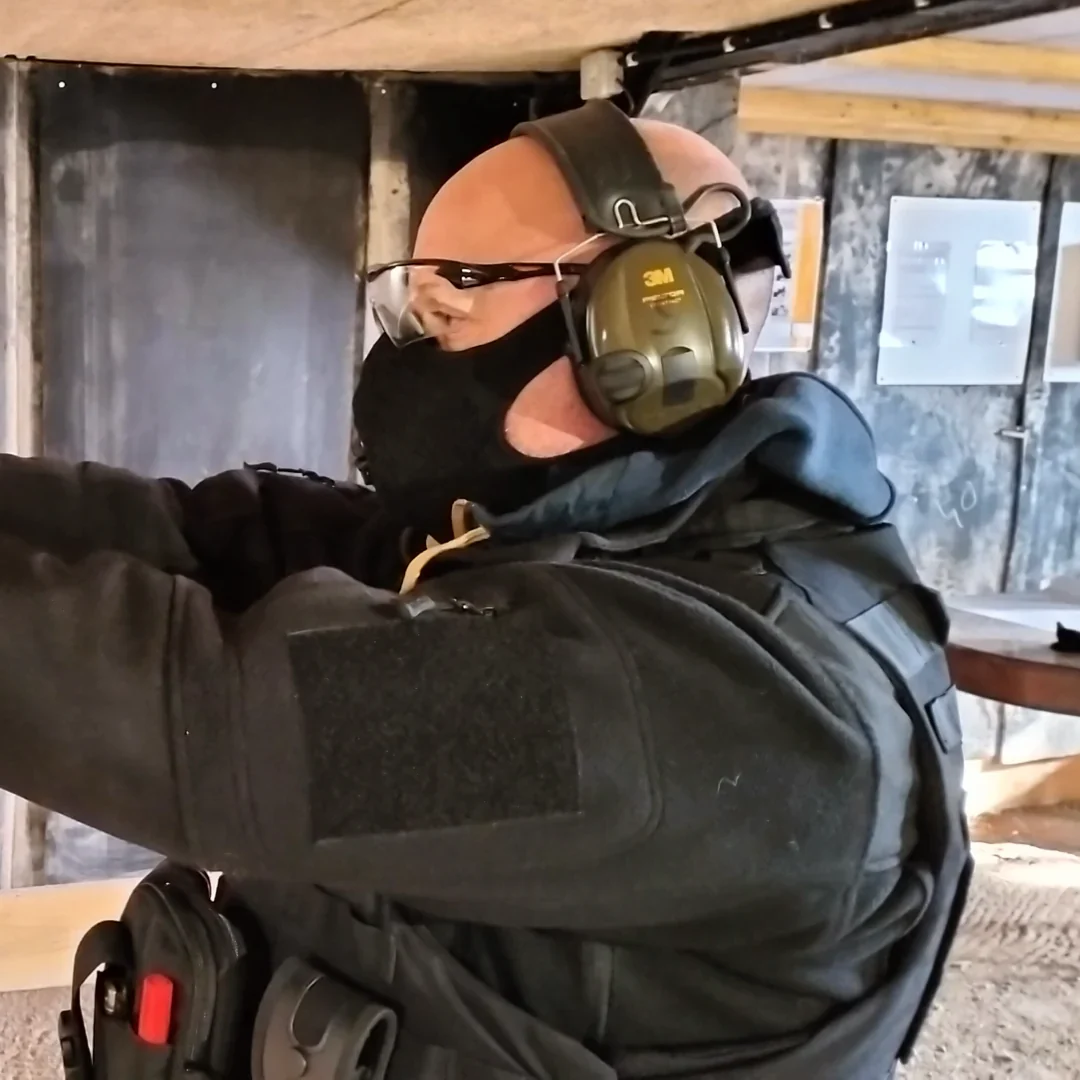
When you start shooting, the shopping list is easy to guess. A firearm or airgun, ammunition, a target, maybe a case. What rarely makes the list is the gear that protects your body, and that is the gear that matters most over the years.
Three things are damaged quietly at the range: your hearing, your eyes and your lungs. None of them hurts much on day one, which is exactly why beginners skip them. Here is what each one needs and why.
1. Hearing: protect it before it is gone
A gunshot is one of the loudest sounds most people will ever hear in person, often well above 140 decibels. At that level, a single unprotected shot can cause permanent damage, and repeated exposure adds up. Hearing loss from noise is gradual, painless and irreversible, and the first sign is often a ringing in the ears that fades. It still counts as damage.
What to use:
- Earmuffs are easy to put on, comfortable for long sessions and a good first purchase.
- Foam or moulded earplugs are cheaper, smaller and work well under a cap or helmet.
- Both together. For indoor ranges or louder calibres, wearing plugs under muffs adds meaningful protection. Many instructors recommend it as standard.
Check the noise reduction rating on the packaging, and make sure the muffs seal around your ears, since glasses arms and thick hair can break the seal.
2. Eyes: you cannot see danger coming
Shooting throws things at your face you never plan for. Fragments from a ricochet, bits of spent casings, powder residue, and debris kicked up from a target frame can all reach your eyes. A single particle can cause an injury that no pair of ordinary glasses would prevent.
Proper shooting glasses are impact-rated lenses designed for this. Look for markings such as ANSI Z87.1 in the US or EN 166 in Europe, and choose a wraparound frame so nothing gets in from the side. If you wear prescription glasses, get an over-glasses model or a prescription insert rather than relying on your own frames, which are not designed for impact.
Clear lenses suit indoor ranges and low light. Tinted ones help on bright outdoor days.
3. Lungs: the one almost everybody forgets
This is the item that surprises beginners most. Hearing and eye protection are widely advertised. Lung protection is hardly mentioned, even though the air at a range is not clean.
When a round is fired, the primer and the powder produce a cloud of fine particles and fumes. Many primers contain lead compounds, and bullets and powder residue add more. In an indoor range, especially one with weak ventilation, you breathe that cloud again and again. Even outdoors, you are standing right at the source.
Lead is the main concern. It builds up in the body over time, and it enters not only by breathing but also through hands, food and drink. Occupational safety bodies such as OSHA publish guidance on lead exposure for exactly this reason.
Simple habits cut your risk a lot:
- Wear an R-PUR respiratory mask that is rated for fine particles and fits your face properly. A shooting-specific mask such as R-Pur is designed for this kind of exposure, unlike a cloth covering.
- Wash your hands and face after shooting and before eating, drinking or smoking.
- Do not eat at the firing line. Residue travels from hands to mouth easily.
- Change clothes and wash them after a session, especially after indoor shooting.
- Choose well-ventilated ranges and avoid standing in the haze behind other shooters.
A simple starter kit
If you are buying your first range gear, put these three on the list at the same time as your firearm:
- Earmuffs, plus earplugs for indoor or loud use
- Impact-rated wraparound shooting glasses
- A properly fitting respiratory mask, plus good hand-washing habits
None of this costs a lot compared with the firearm itself, and all of it protects things you cannot replace.
The bottom line
Good shooting is about control, patience and safety, and safety goes beyond the muzzle direction and the range rules. Your hearing, eyes and lungs will be with you long after your first target is forgotten. Protect all three from your very first session, and you will still be enjoying the sport in decades.