
Gold Coins as Gifts and Heirlooms
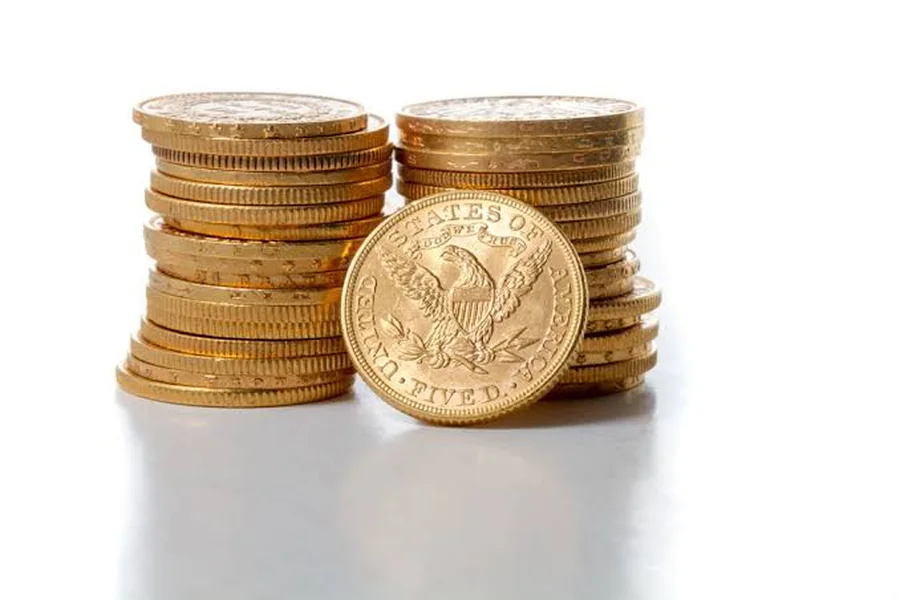
There is a reason gold coins have been given at births, weddings, and coming-of-age ceremonies for as long as coins have existed. A gift of gold carries a message that other presents cannot: this is something of lasting value, meant to be kept, and meant to outlast the occasion. In an age of gift cards and subscriptions, that permanence has become rarer and more meaningful. A coin does not expire, does not depreciate like an electronic device, and does not need to be replaced. It simply endures.
Why gold suits the purpose
Gold’s properties align unusually well with what a gift is supposed to do. It is tangible, so it can be held and displayed. It is durable, so it can be passed down. It tends to hold purchasing power across decades, so a coin given at a birth will still represent real value at the recipient’s retirement. And it is universal: a gold coin means the same thing in every culture and can be sold in any country.
Compare this with a savings bond or a contribution to an investment account. Those may grow more in financial terms, but they are abstract, invisible, and easy to forget. A coin in a display case on a shelf is a daily reminder of the person who gave it and the occasion it marked.
Choosing the right coin
For gifting, gold bullion coins from major government mints are the safest choice. The American Gold Eagle, Canadian Maple Leaf, and Austrian Philharmonic are recognized everywhere, easy to value, and easy to sell if the recipient ever needs to. Fractional sizes make the gesture affordable: a tenth-ounce or quarter-ounce coin is a substantial gift without approaching the cost of a full ounce.
Some mints produce coins that suit specific occasions. The Perth Mint’s Lunar series features the animal of the Chinese zodiac for each year, making a coin from a child’s birth year a natural choice. The Royal Mint’s Sovereign has been given at christenings in Britain for two centuries. Coins with a birth year, a meaningful design, or a national connection carry an extra layer of significance.
Building a tradition
Many families choose a specific coin and add one each year, on a birthday or at Christmas, building a small collection that carries both financial and sentimental weight. By the time a child reaches adulthood, they hold a meaningful quantity of gold and a record of every year of their life. The practice also teaches something about saving that a lecture never could.
The coins should be kept together, in a case or album, with a note recording the date and occasion of each. This transforms a set of bullion into a family document, and it makes the collection far more likely to be preserved than sold on a whim.
Presentation and practicalities
Presentation turns an investment into a keepsake. A coin in a display capsule, a velvet pouch, or a mint-issued presentation box feels like a gift rather than a transaction. Many dealers offer these accessories, and the cost is small relative to the coin.
A few practical points. Buy from a reputable dealer so the coin’s authenticity is beyond question. Keep the receipt with the gift, or give it separately, so the recipient has provenance if they ever sell. If the gift is to a child, consider whether a parent should hold it until the child is old enough to appreciate and protect it. And resist the urge to give collectible or numismatic coins unless the recipient is a collector; bullion coins are simpler to value and easier to sell.
A gold coin given well can be the most durable present a person ever receives. It marks a moment, holds its worth, and eventually passes to someone else, carrying the story with it.