
Hot Tub Showroom Checklist: What to Test Before You Buy
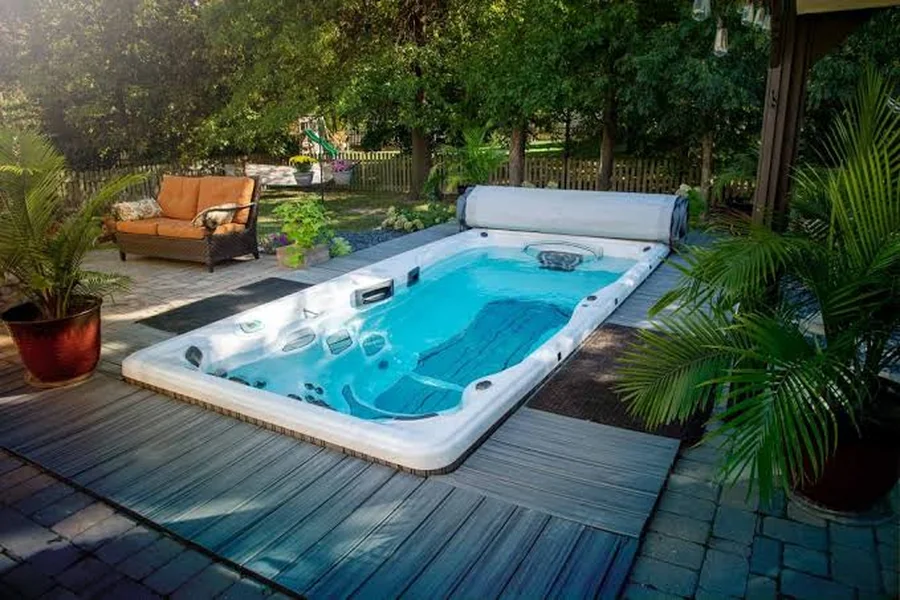
A hot tub can look impressive in a showroom, but comfort, usability, and long-term upkeep matter more than first impressions. A careful in-person review helps you compare models with confidence and avoid choosing based on appearance alone.
Use the showroom visit to test how the hot tub feels, how the controls work, and how practical the design will be in your own outdoor space.
Start With Seating Comfort
Seats should support your body without forcing an awkward posture. Sit in each seat, even if the tub is dry, and check whether the depth, angle, and legroom suit different users.
- Check whether your shoulders, back, and hips feel supported
- Compare lounge seats with upright therapy seats
- Make sure shorter and taller users can sit comfortably
- Look for safe entry and exit points
If possible, ask about wet testing. Water changes buoyancy, jet pressure, and body position, so a model that feels comfortable dry may feel different when filled.
Evaluate Jet Placement and Performance
More jets do not always mean a better experience. Placement, adjustability, and pump strength are more important than the total count. Jets should target useful areas such as the lower back, shoulders, calves, and feet.
Test whether jets can be adjusted individually. Some users prefer strong pressure, while others need a gentler setting. A flexible jet system makes the hot tub more suitable for households with different comfort preferences.
Listen for Operating Noise
Noise can affect relaxation, especially when the hot tub is placed near a seating area, bedroom window, or neighbouring property. Ask to hear the pumps and jets running at different speeds.
A steady low hum is usually easier to live with than rattling, vibration, or abrupt motor changes. Also ask how the insulation and cabinet construction help reduce sound outdoors.
Review Controls and Everyday Usability
The control panel should be easy to read and simple to operate. Test the display, menu navigation, lighting controls, temperature settings, and jet functions. If the panel feels confusing in the showroom, it may feel more frustrating during regular use.
Also inspect the cover. It should lift smoothly, seal properly, and feel manageable for the people who will use it most often. A heavy or awkward cover can discourage everyday use.
Consider Water Care Requirements
Ask how filtration, sanitation, and water balancing work for each model. Some systems require more hands-on attention than others. The best choice is one that fits your routine and comfort level with maintenance.
- Check filter location and ease of removal
- Ask how often filters need cleaning or replacement
- Review recommended water testing frequency
- Understand how draining and refilling are handled
Simple access to filters and components can save time over the life of the spa. Maintenance should feel realistic, not like an afterthought.
Think About Placement and Outdoor Living Flow
A hot tub is part of a larger outdoor setting. Consider walking paths, privacy, wind exposure, lighting, drainage, and access to power. The placement should feel natural, safe, and comfortable in all seasons.
Planning may also overlap with outdoor kitchens in Calgary, especially when cooking, dining, soaking, and lounging areas share the same yard. Clear zones help each feature work without crowding the others.
Layout choices also affect patio furniture in Calgary , because seating, tables, and walkways need enough clearance around the spa. Measure carefully before assuming a showroom model will fit at home.
Inspect Build Quality and Access Panels
Look closely at the cabinet, shell, frame, steps, and access panels. Materials should feel sturdy, well-finished, and suited to outdoor exposure. Open service panels if allowed, and check whether key components are reachable.
Good service access matters when repairs or maintenance are needed. A hot tub with cramped mechanical access may cost more time and effort to service later.
Compare Energy Use and Insulation
Heating efficiency affects long-term ownership costs. Ask about insulation type, cover quality, pump efficiency, and expected energy use in cold weather. A well-insulated model may cost more upfront but can be more practical over time.
Check how tightly the cover fits and whether the cabinet is designed to reduce heat loss. Small details can make a noticeable difference during frequent use.
Questions Worth Asking in the Showroom
- What maintenance tasks are required weekly and monthly?
- What parts are covered under warranty?
- How easy is it to access service components?
- What site preparation is needed before delivery?
- How does this model perform in cold temperatures?
A thoughtful showroom visit turns a major purchase into a practical decision. By testing comfort, controls, noise, maintenance access, and backyard fit, you can focus on the hot tub that best matches how it will actually be used.