
How a Smaller Camera Can Make Travel Photography More Enjoyable
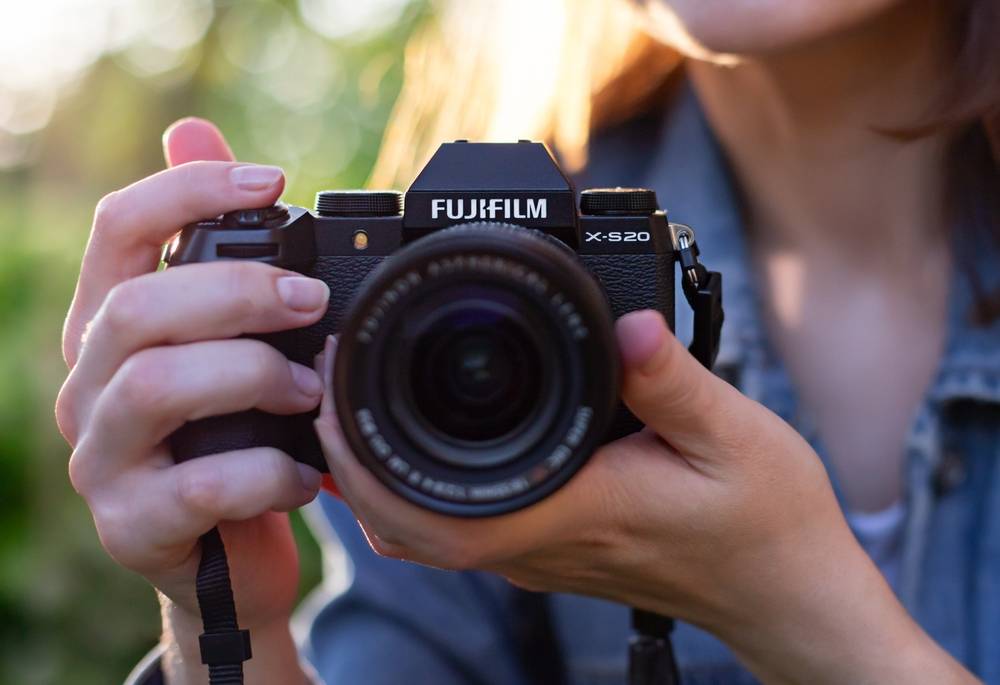
Travel photography should add to a trip, not make it harder. Yet it is easy to end up carrying a heavy camera bag, swapping lenses on the pavement, worrying about expensive gear, and spending more time managing equipment than enjoying where you are.
That is one reason many travellers prefer a portable compact camera for holidays. A smaller setup can make it easier to take better photos without feeling as though every day has turned into a photography assignment.
The appeal is not just about saving space. Smaller cameras can change how you move through a destination, how often you take photos and how present you feel while travelling.
You Are More Likely to Carry It All Day
A camera is only useful if it is with you.
Larger camera systems can be comfortable for a planned shoot, but travel is different. You may spend eight or ten hours walking, catching trains, visiting museums, sitting in cafés and moving through crowded streets.
A heavy bag becomes much more noticeable after several hours.
A smaller camera is easier to keep with you from breakfast until dinner. That means you are more likely to have it ready when an interesting moment happens unexpectedly.
It could be a market stall, a street performer, a quiet side street or great evening light. Those opportunities rarely wait while you return to the hotel for your gear.
Packing Becomes Much Simpler
Camera equipment can take up a surprising amount of luggage space.
A larger setup may involve several lenses, batteries, chargers, straps, filters and a dedicated camera bag. Before long, a significant part of your carry-on allowance is being used by photography gear.
A smaller setup simplifies things.
For many trips, you may only need:
- The camera
- A spare battery
- A charger
- A memory card
- A small protective pouch
That leaves more room for the things you actually need while travelling and reduces the number of items you have to keep track of.
You Spend Less Time Thinking About Gear
Travelling with multiple lenses can create decision fatigue.
Should you take the wide lens today? What if you need more zoom? Should you bring both? Is it worth carrying the heavier lens just in case?
Those decisions can become surprisingly distracting.
A smaller camera with a fixed lens or practical built-in zoom removes much of that mental clutter.
Instead of thinking about equipment, you start thinking more about the scene in front of you.
Where is the light coming from? What should be included in the frame? Is there a better angle?
That shift can make photography feel more creative and less technical.
You Can Move More Naturally Through Busy Places
Tourist destinations are not always easy environments for large camera setups.
Crowded streets, public transport, markets and busy attractions can make bulky equipment awkward to handle.
A smaller camera is usually easier to keep close to your body and quicker to put away when necessary.
That can be especially useful in places where you are constantly moving between sightseeing, meals and transport.
You also tend to attract less attention with smaller equipment, which can make casual photography feel more relaxed.
Spontaneous Photos Become Easier
Some of the best travel photos are not planned.
They happen when someone laughs at the next table, when a cyclist passes through a patch of light, or when you turn a corner and unexpectedly find a great view.
The easier your camera is to access, the more likely you are to capture those moments.
A bulky setup can encourage you to leave the camera packed away until you reach a major attraction. A smaller one can stay in your hand, around your wrist or near the top of your bag.
That small difference can lead to a much more varied set of travel photos.
You May Feel More Present
There is a point where documenting a trip can start competing with experiencing it.
If you are constantly changing lenses, checking settings and carrying equipment, photography can become the focus of the day rather than a way of remembering it.
A simpler camera can reduce that tension.
You can take the photo, put the camera away and get back to what you were doing.
This is particularly valuable when travelling with family or friends. They may appreciate not having to wait every few minutes while you reorganise your gear.
Smaller Cameras Still Require Thoughtful Choices
Compact equipment does not automatically mean the right equipment.
Before choosing a camera for travel, think about what matters most to you.
You may want:
- A useful zoom range
- Good low-light performance
- Reliable autofocus
- USB charging
- A viewfinder for bright conditions
- Strong battery life
- Easy transfer to your phone
The best balance depends on the kind of trip you take and the photos you enjoy making.
A city traveller may have very different priorities from someone heading on a wildlife-focused holiday.
You Can Still Use Your Phone
Choosing a dedicated travel camera does not mean abandoning your phone.
Phones are excellent for quick snapshots, navigation and images you want to share immediately. A separate camera can handle the situations where you want more control, better zoom or stronger image quality.
Using both can work well.
You do not need to photograph every moment with the dedicated camera simply because you brought it.
Less Gear Can Mean More Enjoyment
There is something freeing about travelling with less.
A smaller camera does not guarantee better photographs, but it can remove many of the little inconveniences that make travel photography feel like work.
You carry less weight, spend less time managing equipment and have fewer decisions to make.
Most importantly, you are more likely to keep the camera with you without letting it dominate the trip.
That balance is what makes a smaller setup so appealing. You can still come home with photographs you care about, while remembering that the experience itself was the reason you travelled in the first place.