
How Do You Test Whether a UPS Battery Still Holds a Charge?
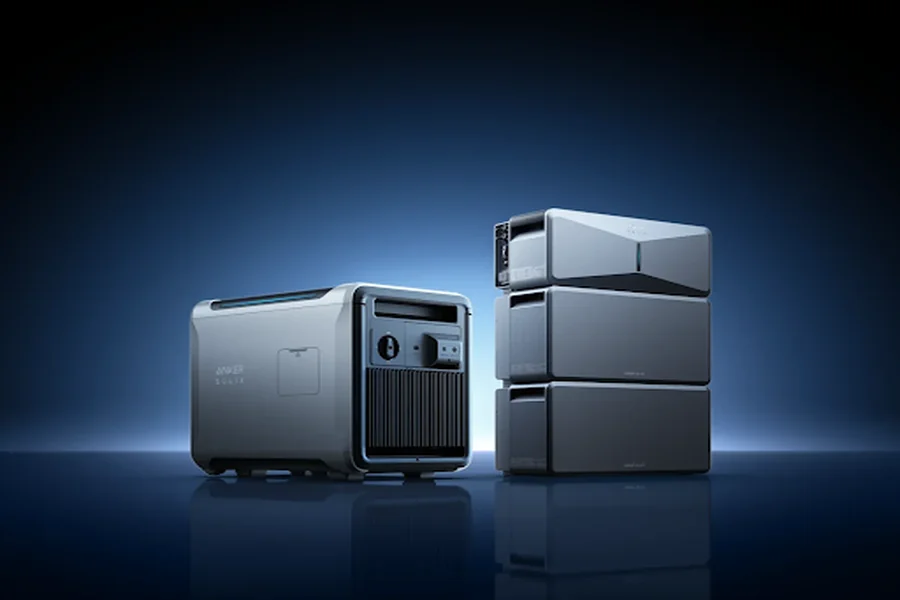
A battery’s charge indicator tells only part of the story. A UPS may show a full charge yet provide less backup time than expected when connected equipment starts drawing power. To assess its condition, check the charging status, observe how it responds to a controlled load and measure how long it sustains that load. These checks reveal whether the battery stores usable energy and delivers it when needed. The right testing method depends on the battery type and system design.
Three Ways to Check a Battery’s Real Condition
Start With the Charging Status and Battery Alerts
Begin by checking the UPS display, indicator lights or monitoring software. Confirm that the unit recognizes the battery, reports a normal charging state and shows no battery-related warnings. If the manufacturer provides a battery health or self-test function, follow its instructions and record the result. Allow the battery to complete its recommended charging period before drawing conclusions from a test. A charge indicator alone does not prove that the battery retains its original capacity, but it establishes a useful starting point. Also inspect accessible cables and connectors for looseness, corrosion or visible damage. Do not open a sealed battery enclosure or touch exposed electrical connections.
Measure Runtime Under a Known Load
The most practical way to check usable backup capacity is to measure how long a battery powers a controlled load. First, identify the connected equipment and estimate its actual power consumption. Then follow the manufacturer’s approved battery-test procedure, keeping the load within the UPS’s rated limits. Record the starting charge, the equipment connected and the elapsed time until the system reaches its specified low-battery threshold or ends the test. Compare the result with the manufacturer’s runtime information for a similar load. A UPS supporting a desktop computer and router will have a different runtime from one powering several higher-demand devices. Repeat measurements under comparable conditions to identify meaningful changes. Never deliberately discharge a battery beyond the manufacturer’s limits to obtain a more dramatic result.
Check Whether the Battery Recharges Normally
A useful test does not end when ups backup power stops. Recharge behavior provides another clue about battery condition. After completing an approved discharge test, restore the normal power supply and observe whether the system begins charging as expected. Record how long the battery takes to return to its usual full-charge indication, following the manufacturer’s recommended procedure. Compare this result with earlier measurements under similar conditions. Charging time varies with battery chemistry, capacity, charger output and the amount of energy removed during testing, so there is no universal pass-or-fail duration. If the system repeatedly fails to charge, displays battery errors or behaves differently from its documented operation, arrange a professional assessment rather than repeatedly running discharge tests.
Understand What the Results Actually Mean
Separate Stored Energy From Power Delivery
Battery capacity and power output describe different aspects of performance. Capacity, commonly expressed in watt-hours (Wh) or kilowatt-hours (kWh), indicates how much energy a battery stores. Power, measured in watts (W) or kilowatts (kW), describes how quickly the system supplies that energy. A battery may retain enough energy for a reasonable runtime under a light load but struggle to support equipment with a high startup demand. Conversely, a system may support a substantial load while offering limited operating time. For an ups battery backup assessment, evaluate both the energy available over time and the load the system must support. Check the manufacturer’s rated continuous output, surge capability and recommended load limits instead of judging battery health from a single number.
Account for Battery Chemistry, Temperature and Age
Test results make more sense when you consider the battery’s design and operating history. Different chemistries have different charging requirements, discharge limits and expected service lives. Temperature also affects performance. Cold conditions can reduce the energy available from some battery types, while excessive heat can accelerate long-term degradation. Frequent cycling, extended periods at unsuitable charge levels and heavy loads may also influence service life, depending on the battery design. Record the installation date, operating environment, test results and any changes in runtime. Compare measurements taken under similar conditions rather than treating every variation as evidence of battery failure. Follow the manufacturer’s specified temperature range and maintenance schedule, and never apply testing procedures intended for one battery chemistry to another without confirmation.
Use a Whole-Home System’s Monitoring and Specifications
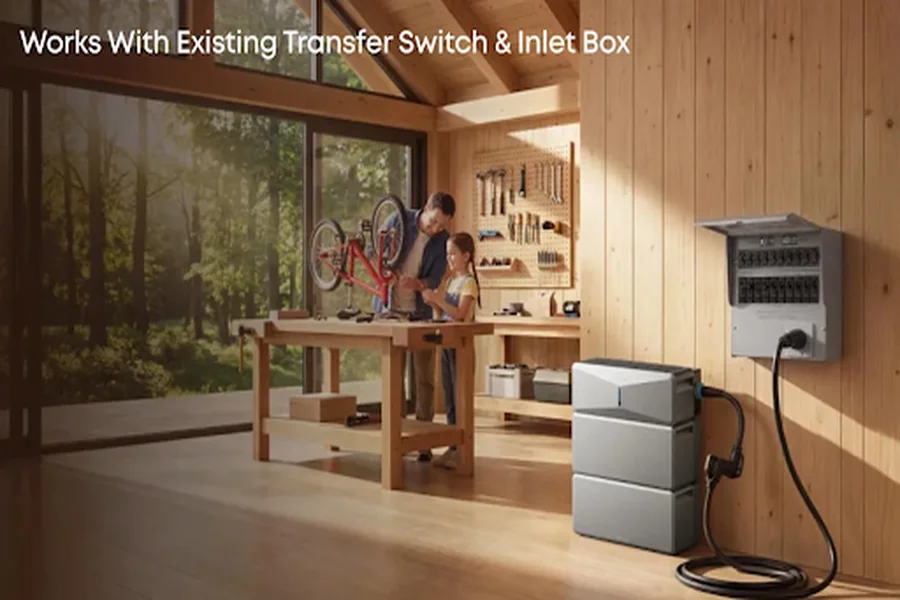
Larger residential energy storage systems require a different approach from small office UPS units. Their monitoring interfaces, inverter controls and protective functions may provide information about charging, stored energy and output. Review the system’s own status information and follow its approved testing procedure instead of improvising a full-capacity discharge. For example, the Anker SOLIX E10 Whole-Home Backup combines an E10 power module with two B6000 battery modules and a Power Dock. Each B6000 module has a listed capacity of 6,144 Wh, while one E10 power module supports up to 30 kWh of total battery capacity. The system’s specifications also list 7,680 W of maximum continuous output with battery power and 10,000 W of turbo output for up to 90 minutes with two batteries.
Conclusion
Testing a battery properly means checking more than its displayed charge percentage. Review system alerts, measure runtime under a known load, verify recharge behavior and compare the results with manufacturer specifications. Keep records so that gradual changes become easier to identify. Always follow the approved procedure for the specific battery chemistry and equipment. For whole-home storage, rely on system monitoring and qualified service when needed. Consistent testing provides a clearer picture of usable backup energy and supports better maintenance decisions.