
How Living Alone Taught Me the Value of Nighttime Awareness
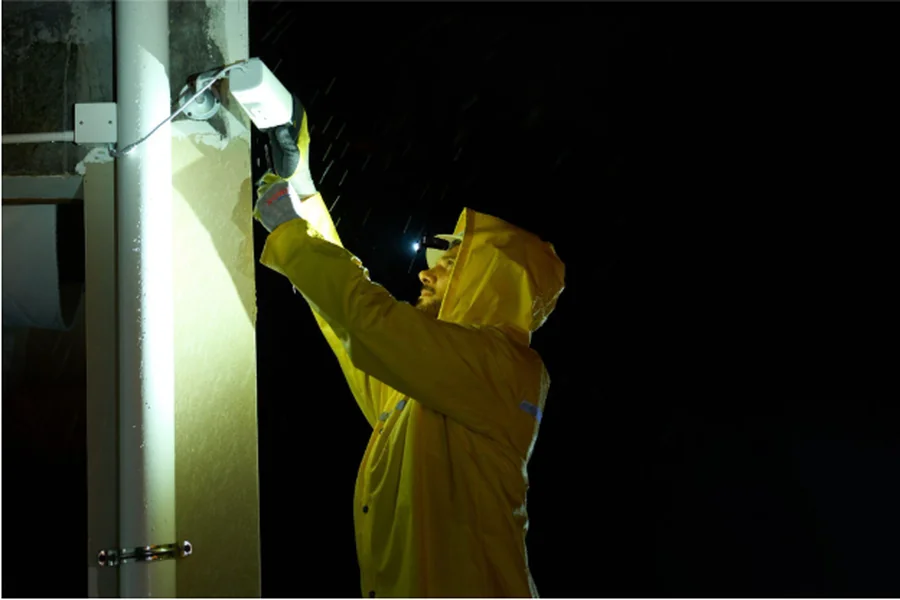
There is a very specific kind of silence that arrives around 3:00 AM. It’s not the peaceful silence of the countryside, but the urban kind—the muffled hum of a distant refrigerator, the sudden rattle of a window pane in the wind, or that ambiguous thump from the hallway that makes your brain instantly conjure up every suspense trope you’ve ever half-watched.
For a long time, my relationship with home security was profoundly reactive. Like many people living alone, I relied on deadbolts, heavy curtains, and the comforting illusion that locked doors were an impenetrable forcefield. But one stormy night last autumn, when a local transformer blew and plunged the entire neighborhood into absolute, pitch-black inkiness, I realized something unsettling: a locked door doesn’t help you if you can’t see what’s happening two feet in front of you.
In modern safety discussions, we talk endlessly about locks, alarms, and fortifications. But true security doesn’t begin with a barricade. It begins with situational awareness—and in the dark, awareness starts with a reliable rechargeable flashlight ready by the bed.
The Psychology of the Unseen
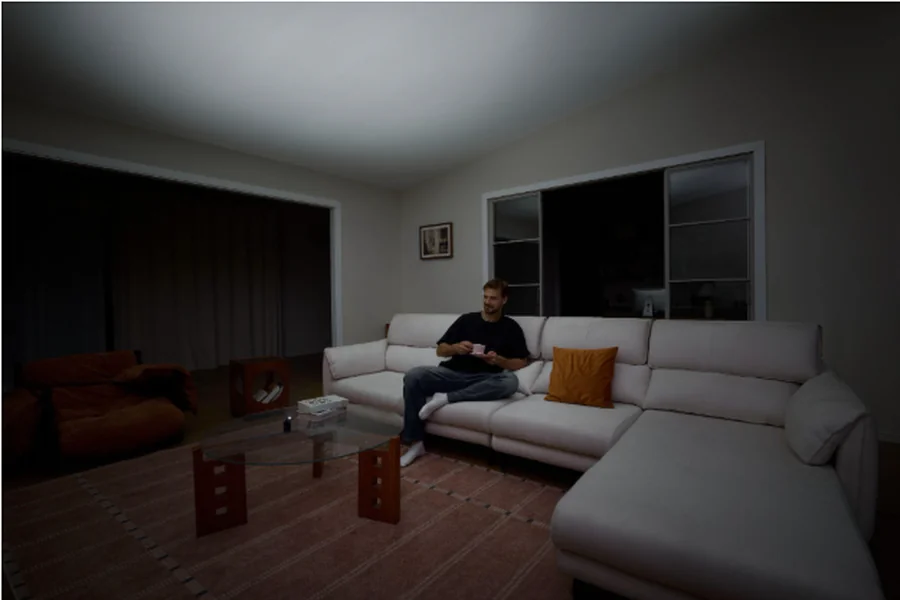
Humans are fundamentally diurnal creatures. When the sun goes down, our primitive brains still interpret darkness as vulnerability. When an unfamiliar noise startles you in the dark, your pulse spikes not because of what is actually there, but because your eyes cannot verify what is not there.
Most of us make a critical mistake when we feel unsafe: we freeze, or we fumble for our phones, using a weak, glowing glass screen that ruins our night-adapted vision and casts a pathetic, useless glare. We treat darkness as an enemy to be avoided rather than an environment to be managed.
True peace of mind isn’t about having a weapon tucked under the mattress; it’s about banishing the shadows before they can play tricks on your imagination.
Rethinking the “First Line of Defense”
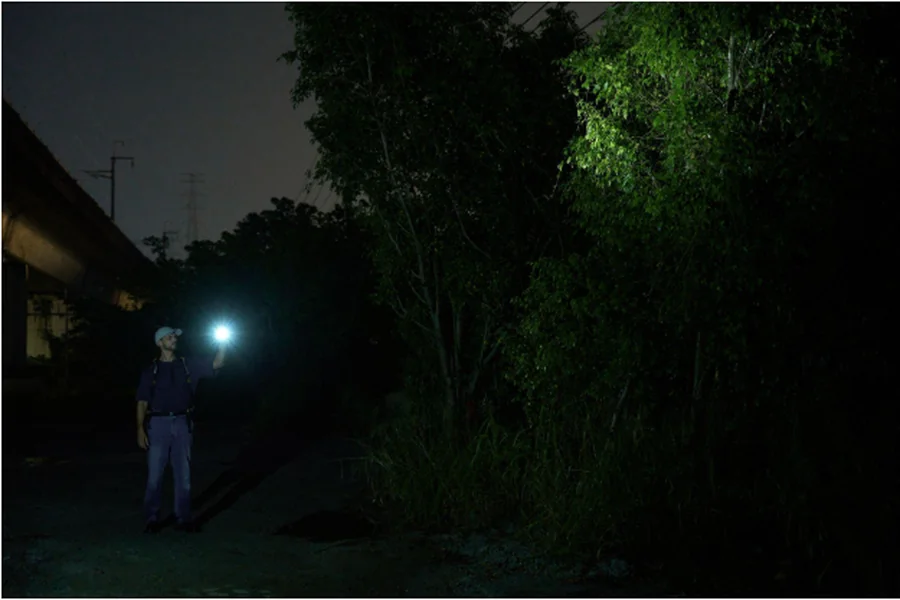
When I finally decided to upgrade my nocturnal preparedness, I didn’t want anything that felt aggressive or tactical. I didn’t need gear that looked like it belonged in a high-stakes action movie. I wanted something intuitive, reliable, and fundamentally human-centric.
That shift in perspective led me to look beyond traditional, clunky flashlights and find tools designed for actual human life. I realized a proper safety light needs three subtle superpowers:
- Instant Clarity Beats Complexity: In a moment of genuine panic, nobody wants to cycle through hidden modes. You need a tool that responds to a single, intuitive reflex—providing instant, clear vision the second you need it.
- True Hands-Free Versatility: Traditional tools force you into awkward compromises. Try holding a conventional torch while simultaneously checking a breaker box or turning a door handle. Being able to securely clip a compact edc flashlight to your collar or magnetically snap it to a metal doorframe—and precisely tilt the beam where you want it—changes the entire dynamic.
- The Gentle Power of Red Light: Discovering that a low-profile red beam can illuminate a pitch-black room without completely destroying your night-adapted eyes (or waking up the entire house) was a minor revelation. It’s the difference between calmly assessing a situation and blinding yourself with a miniature sun.
Designing Your Own Circle of Quiet Confidence
These days, my approach to home safety is entirely ambient. Instead of a bulky, intimidating torch hidden away in a drawer, I keep something small, elegant, and impossibly versatile right on my nightstand—specifically, a compact companion like the Olight Oclip 2 Pro Premium.
It defies how we usually think about pocket lights. With its 360-degree rotating clip and 115-degree tilting head, I can clip it onto my shirt collar or magnetically snap it to the metal doorframe, adjusting the beam to point precisely where I need it while keeping both hands completely free. On quiet nights, its subtle red light mode lets me navigate the dark without jarring my eyes, while its 530-lumen flood and 125-meter spot capabilities mean I’m never truly left in the dark, whether I’m investigating a strange noise or packing for an early morning hike.
Best of all, it lives on its own 1,000mAh mobile charging dock by the bed—always topped off, always breathing softly in the background, requiring zero mental maintenance.
Living alone or managing a household doesn’t mean you have to live in a state of low-grade anxiety. It just means recognizing that peace of mind is an art of preparation. Sometimes, the most powerful thing you can do when the world goes dark is simply to flip a switch, clear the shadows from the corners of your room, and remind yourself that there was never anything there to begin with.