
How Modern Preventive Dentistry Protects Long-Term Oral Health and Overall Wellness
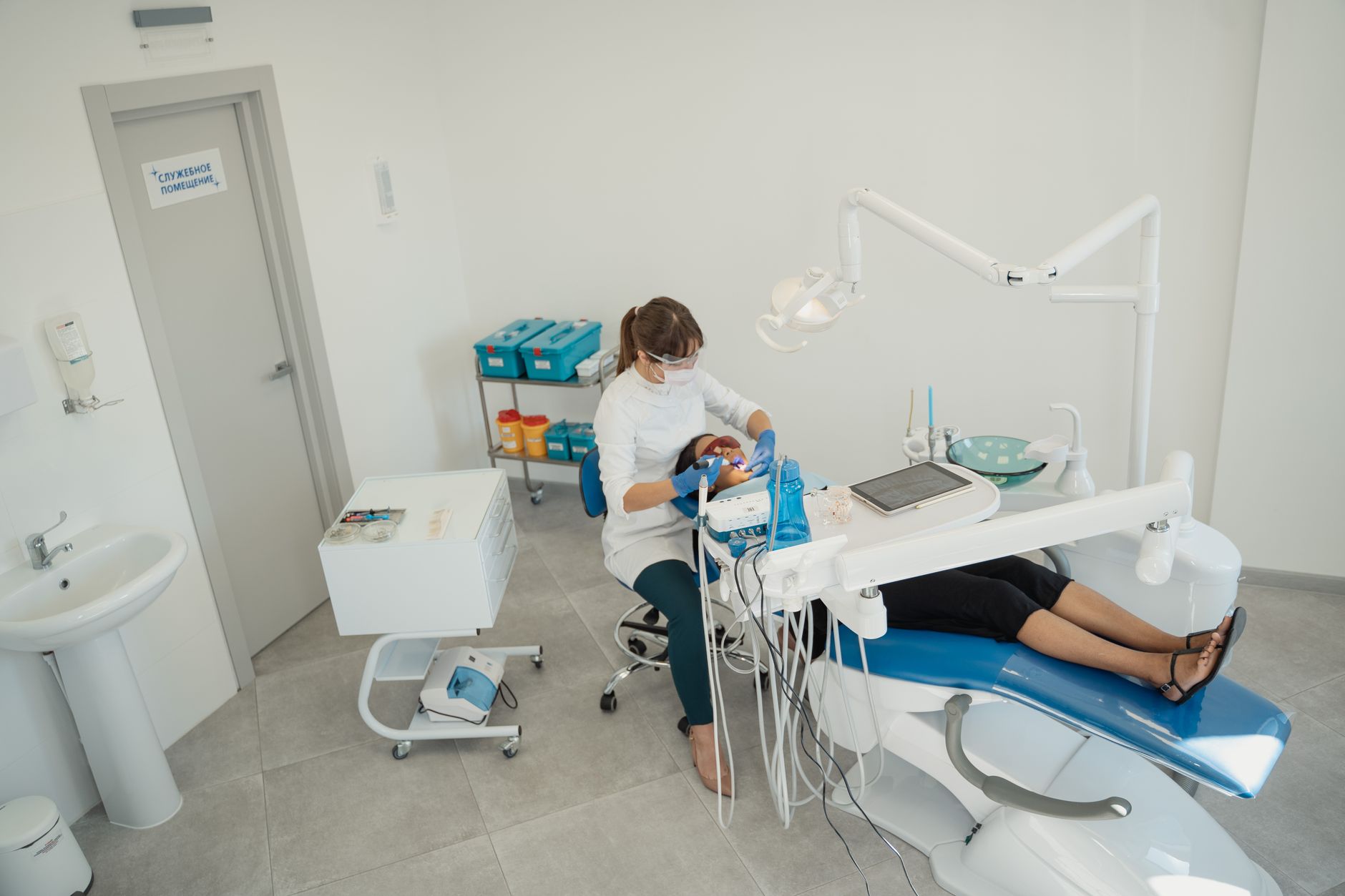
Maintaining a healthy smile requires more than brushing twice a day. Modern preventive dentistry has transformed how we approach oral care, shifting the primary focus from reacting to painful issues to preventing problems before they start. Routine cleanings, early diagnostics, and targeted at-home habits form the foundation of a proactive healthcare routine. Understanding how professional oral care connects to systemic health empowers individuals and families to take control of their long-term well-being.
The Connection Between Oral Health and Systemic Well-Being
The mouth serves as a primary gateway to the rest of the body. Chronic oral inflammation, particularly from untreated periodontal disease, impacts far more than just your teeth and gums. Bacteria from persistent gum infections can enter the bloodstream, triggering systemic inflammatory responses across multiple organ systems.
Research links chronic gum disease to several serious health conditions, including cardiovascular disease, diabetes complications, and respiratory infections. For example, individuals with uncontrolled diabetes face a higher risk of severe gum disease, while active gum infections make it harder to regulate blood sugar levels. Addressing oral inflammation early removes a constant source of immune system stress.
Beyond systemic inflammation, oral health directly impacts daily function and nutrition. Missing teeth or chronic tooth pain alter chewing mechanics, often forcing people to avoid nutrient-dense foods like raw vegetables, nuts, and fibrous fruits. Preserving natural tooth structure through regular checkups ensures you maintain a balanced diet and strong bite throughout every stage of life.
Key Pillars of Modern Preventive Dental Care
A comprehensive preventive routine combines professional treatments with consistent home hygiene. Each element targets specific vulnerabilities, preventing minor issues like micro-cavities or mild gingivitis from escalating into complex problems.
Professional Cleanings and Advanced Diagnostics
Even meticulous brushing misses hardened plaque, known as calculus or tartar, that builds up along the gumline. Professional prophylaxis removes these deposits using specialized ultrasonic instruments. Beyond cleaning, regular examinations utilize digital imaging and intraoral cameras to catch structural weaknesses, decay beneath old restorations, and bone loss early.
When searching for a local practice to establish care, selecting an experienced dentist in Yorktown va gives your family access to early diagnostic tools and customized treatment plans that prioritize long-term preservation over invasive procedures.
Custom Fluoride Treatments and Dental Sealants
Preventive care extends beyond basic cleaning. Dental sealants—thin protective coatings applied to the chewing surfaces of molars—shield vulnerable grooves from food particles and bacteria. Sealants reduce the risk of molar decay by up to 80% in children and teens. Professional fluoride applications rebuild weakened tooth enamel through remineralization, making teeth more resistant to acid attacks from everyday foods and drinks.
Early Screening for Oral Pathologies
Regular checkups include thorough oral cancer screenings. Dentists inspect soft tissues, including the tongue, floor of the mouth, and inner cheeks, for precancerous lesions or abnormal tissue changes. Early detection of oral abnormalities dramatically improves treatment outcomes, making these routine checks an essential component of preventive medicine.
Actionable Steps for Building an Effective Home Routine
While professional care provides deep cleaning and clinical oversight, home habits dictate your daily oral health trajectory. A few intentional adjustments to your daily routine deliver exponential long-term benefits.
1.Commit to Precision Brushing: Brush for a full two minutes twice daily using a soft-bristled manual or electric toothbrush. Angle the bristles at 45 degrees toward the gumline to sweep away plaque without irritating delicate soft tissue.
2. Clean Between Teeth Daily: Toothbrush bristles cannot reach the tight spaces between teeth where decay frequently starts. Use traditional dental floss, interdental brushes, or a water flosser every evening to clear trapped debris.
3. Limit Frequent Exposure to Dietary Acids: Continuous sipping on sugary beverages, energy drinks, or fruit juices bathed teeth in acid, eroding enamel over time. Drink water immediately after meals to help flush away lingering food particles and neutralize oral pH levels.
4. Protect Teeth from Physical Wear: If you grind your teeth at night or participate in contact sports, wear a custom-fitted mouthguard. Preventing chips, fractures, and joint wear saves significant time and discomfort down the road.
Making Dental Care a Lifelong Family Priority
Establishing a clear preventive routine sets the stage for a lifetime of healthy smiles. Prioritizing routine visits, maintaining consistent home habits, and treating oral health as an extension of overall physical health protects both your smile and your broader well-being. Schedule a consultation with a local practitioner today to audit your current routine and safeguard your long-term health.