
How to care for a long-haired cat
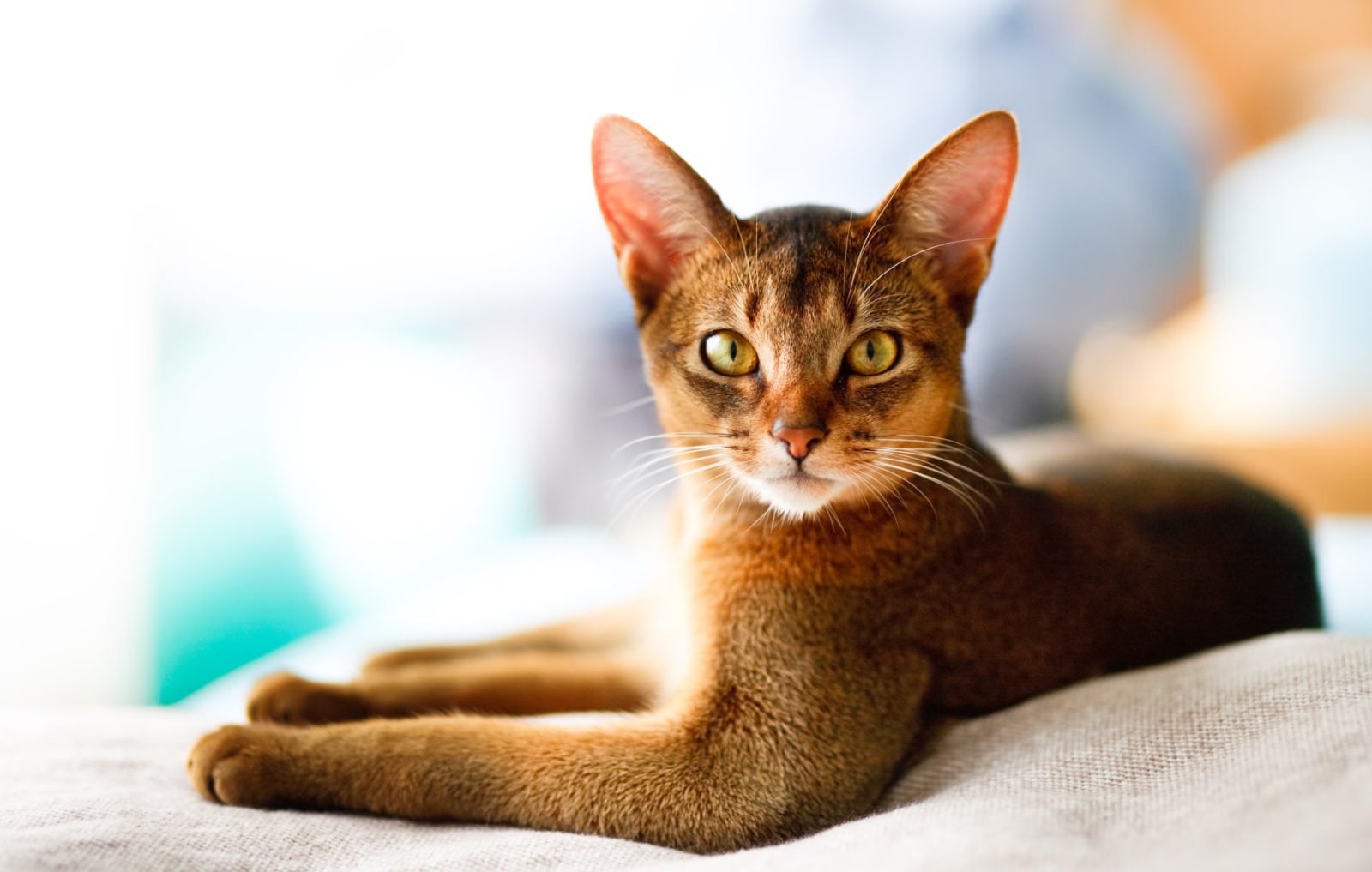
Long-haired cats are among the most beautiful companions a person can have. Their luxurious coats, elegant appearance, and soft fur make them especially attractive to cat lovers. However, that beauty comes with responsibility. Unlike short-haired cats, long-haired breeds require regular grooming, careful monitoring of coat condition, and a well-planned care routine to remain healthy and comfortable.
Many first-time owners underestimate how much maintenance a long coat requires. Without proper care, tangles, mats, excessive shedding, and even skin problems can develop. Understanding the specific needs of a long-haired cat is essential for ensuring a happy and healthy life.
Some future cat owners researching breeds may encounter advertisements such as abyssinian kittens for sale while exploring feline options. Although Abyssinians are actually short-haired cats, such searches often lead people to compare different coat types and discover the unique responsibilities associated with long-haired breeds.
Why long-haired cats need special care
A cat’s coat serves multiple purposes. It protects the skin, regulates body temperature, and provides sensory information. In long-haired cats, the fur is denser and more prone to tangling than in short-haired breeds.
When loose hair becomes trapped within the coat, it can form knots. If these knots are ignored, they may tighten into mats that pull on the skin and cause discomfort. Severe matting can even restrict movement, trap moisture, and create conditions for skin infections.
Long-haired cats are also more likely to ingest hair while grooming themselves. This increases the risk of hairballs, which can sometimes lead to digestive problems.
For these reasons, grooming is not merely cosmetic – it is an important aspect of preventive healthcare.
The importance of daily brushing
The foundation of long-haired cat care is regular brushing. Most veterinarians and professional groomers recommend brushing a long-haired cat at least once daily. This helps remove loose hair before it forms tangles and distributes natural oils throughout the coat.
Different tools serve different purposes:
- Wide-tooth combs help detangle fur.
- Slicker brushes remove loose undercoat.
- Stainless-steel combs identify hidden knots.
- Dematting tools can address stubborn tangles.
Professional cat groomer Jodi Murphy emphasizes the importance of consistency.
“A few minutes of grooming every day is far easier than dealing with severe matting later. Prevention is always better than correction.”
Cats introduced to brushing as kittens typically tolerate grooming much better than those exposed later in life.
Bathing – is it necessary?
Unlike dogs, most cats do not require frequent baths. However, long-haired cats occasionally benefit from bathing, particularly if their coat becomes greasy, dirty, or matted.
Bathing frequency depends on:
- Coat type.
- Activity level.
- Health status.
- Grooming habits.
Many healthy indoor cats only need occasional baths a few times per year.
When bathing a cat:
- Use cat-specific shampoo.
- Avoid harsh detergents.
- Thoroughly rinse the coat.
- Dry carefully to prevent skin irritation.
Some owners choose professional grooming services for bathing and drying because long coats can take considerable time to dry completely.
Nutrition and coat health
A healthy coat starts from within. Nutrition directly influences fur quality, skin health, and shedding levels. Cats require high-quality protein because fur is primarily composed of keratin, a protein structure.
Essential nutrients include:
- Omega-3 fatty acids.
- Omega-6 fatty acids.
- Taurine.
- Zinc.
- Vitamin A.
- Vitamin E.
Poor nutrition often results in dull fur, excessive shedding, and dry skin.
Veterinary nutritionist Dr. Lisa Freeman has noted: “Skin and coat condition often provide one of the earliest indicators of overall nutritional status in cats.”
Providing balanced nutrition can significantly improve coat quality and reduce grooming challenges.
Managing hairballs
Hairballs are one of the most common issues affecting long-haired cats. As cats groom themselves, they swallow loose fur. Most of this hair passes through the digestive system normally. However, excessive amounts may accumulate and form hairballs.
Strategies to reduce hairballs include:
- Frequent brushing.
- Increased hydration.
- Hairball-control diets.
- Wet food supplementation.
- Regular exercise.
Owners should monitor for signs such as frequent vomiting, loss of appetite, or constipation, as these may indicate more serious digestive issues requiring veterinary attention.
Choosing the right breed
People considering a long-haired cat should research breed-specific grooming requirements before adoption. Interestingly, some prospective owners who initially search phrases like buy munchkin cat eventually discover that coat maintenance varies far more than body type. A long-haired cat of any breed often requires more ongoing care than many people expect.
Popular long-haired breeds include:
- Persian.
- Maine Coon.
- Norwegian Forest Cat.
- Siberian.
- Turkish Angora.
- Ragdoll.
Each breed has unique coat characteristics and grooming needs.
Comparative table: long-haired vs short-haired cat care
| Care aspect | Long-haired cats | Short-haired cats |
| Brushing frequency | Daily or several times weekly | Weekly or less |
| Risk of matting | High | Very low |
| Hairball risk | Higher | Lower |
| Grooming time | Significant | Minimal |
| Professional grooming | Often beneficial | Rarely needed |
| Coat maintenance cost | Higher | Lower |
Monitoring skin and coat health
Regular grooming provides an opportunity to inspect your cat’s skin.
While brushing, look for:
- Bald patches.
- Redness.
- Parasites.
- Scabs.
- Lumps.
- Excessive dandruff.
Early detection of skin issues can prevent more serious health problems. Long-haired cats often hide skin conditions beneath dense fur, making routine inspection particularly important. Any sudden changes in coat condition should be discussed with a veterinarian.
Creating a positive grooming experience
Many cats dislike grooming because they associate it with discomfort.
To create positive experiences:
- Start grooming sessions early in life.
- Use treats as rewards.
- Keep sessions short initially.
- Avoid forcing restraint.
- Brush gently and consistently.
Patience is essential. A cat that trusts the grooming process will be far easier to maintain throughout its life. Positive reinforcement builds confidence and reduces stress for both the cat and the owner.
Conclusion
Caring for a long-haired cat requires commitment, consistency, and attention to detail. Daily brushing, proper nutrition, and regular coat inspections are essential for preventing tangles, mats, and skin problems. While the grooming requirements are greater than those of short-haired cats, the effort pays off in the form of a healthy, comfortable, and beautiful companion.
Long-haired cats depend on their owners to help maintain a coat that they cannot always manage alone. Preventive care is far easier than correcting severe matting or treating coat-related health issues later.
Ultimately, successful long-haired cat ownership is built on routine and patience. When grooming becomes a positive part of daily life, both the cat and the owner benefit from a stronger bond, improved health, and a happier, more comfortable feline companion.