
How Your Cat’s Behavior Can Help You Choose the Right Litter
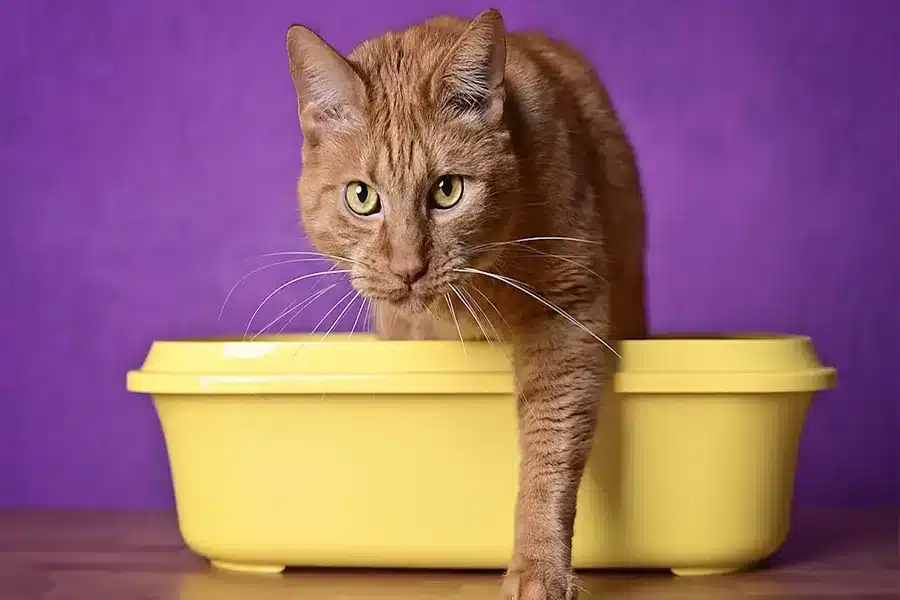
Choosing the right litter for your cat can feel surprisingly complicated. Many cat owners assume all litters are similar and that their pet will simply adapt to whatever is provided. In reality, cats are highly sensitive to their environment, especially when it comes to bathroom habits. Small differences in texture, scent, and structure can influence whether your cat feels comfortable using the litter box.
Understanding your cat’s behavior is one of the most effective ways to make the right decision. Cats communicate their preferences through actions rather than sounds. The way they dig, cover waste, hesitate near the box, or even avoid it completely offers clear signals about what they like and dislike.
Instead of guessing or switching randomly between brands, learning to read these signals helps you choose litter that supports your cat’s natural instincts. This leads to fewer accidents, less stress, and a cleaner home environment.
Why Observing Behavior Leads to Better Litter Choices
Cats rely on instinct when choosing where to eliminate waste. In outdoor settings, they naturally look for ground that allows them to dig easily and cover what they leave behind. That same instinct stays with indoor cats, which is why the texture and feel of litter can make a noticeable difference in how confidently they use the box.
Watching your cat’s routine can reveal more than you might expect. Some cats step into the box without hesitation, while others pause or test the surface with one paw. These small actions signal whether the litter feels comfortable underfoot. Since choosing the wrong texture can lead to box avoidance, many owners find that reading detailed cat litter reviews on TruthfulPaws helps them connect these specific feline habits with the way different materials actually perform.
Linking those behaviors to the type of litter you use helps narrow down what suits your cat best. For example, soft, sandy materials tend to appeal to cats that enjoy digging deeply, while firmer, pellet-style options may work better for cats that dislike sinking into loose particles. By matching the product to the behavior, you remove the guesswork from the selection process.
Taking time to notice these details saves effort in the long run. Instead of switching products repeatedly and hoping for better results, you begin to understand what your cat is actually telling you through its actions. That awareness leads to smarter choices, less waste, and a smoother daily routine for both of you.
Cats That Dig Enthusiastically Usually Prefer Fine Textures
If your cat spends a long time digging before and after using the litter box, this behavior is often linked to a preference for fine-textured litter. These cats enjoy creating small holes and carefully burying their waste once finished.
Fine litter closely resembles sand or soft soil, which makes it familiar to a cat’s instincts. When the texture feels natural, cats are more likely to remain calm and consistent with their litter box habits.
You might notice that your cat spreads litter evenly or digs in multiple directions before settling into position. This is a sign of comfort rather than frustration. Cats that feel secure in their litter environment rarely avoid the box.
However, extremely dusty fine litter can create its own problems. Dust may irritate your cat’s nose or lead to tracking around the home. In such cases, low-dust versions of fine litter often provide the same comfort with fewer drawbacks.
Cats That Avoid Covering Waste May Need Coarser Materials
Some cats leave their waste uncovered, even when plenty of litter is available. This behavior is often misunderstood as laziness or stubbornness. In many cases, it reflects discomfort with the litter’s texture.
Coarser litter or pellet-based options provide a more stable surface. Unlike fine litter, which shifts easily under pressure, larger granules stay in place. This stability can make certain cats feel more confident during use.
You may also notice scratching along the sides of the box instead of digging into the litter itself. This suggests your cat wants to cover waste but feels reluctant to interact directly with the material.
Switching to a slightly larger granule size can improve cooperation and encourage natural burying behavior.
Hesitation at the Litter Box Signals Discomfort
When cats hesitate before entering the litter box, it usually indicates uncertainty about the environment inside. Some cats step in slowly, pause at the edge, or test the surface with one paw before committing.
This hesitation is often linked to texture sensitivity. Cats with delicate paws may find certain litters too rough or sharp. Hard pellet litter, for example, can feel uncomfortable for cats that prefer softer surfaces.
Pay attention to how your cat stands inside the box. If they shift weight frequently or attempt to leave quickly, the litter may not feel pleasant. Once the texture becomes more suitable, hesitation typically decreases.
Comfort encourages routine. A cat that feels safe in the litter box will use it consistently without hesitation.
Excessive Litter Tracking Reveals Size Preferences
If litter ends up scattered across your home, your cat’s habits may be influencing the mess. Some cats naturally kick litter with strong force, especially when burying waste.
Fine litter particles tend to cling to paws and fur. Long-haired cats are particularly prone to tracking because particles become trapped between their toes or in their coat.
Larger granule litter often solves this problem. Heavier particles fall off more easily and are less likely to travel beyond the litter box area. This adjustment keeps floors cleaner without forcing your cat to change their routine.
Observing your cat after they leave the litter box can provide useful clues. If you see visible trails of litter behind them, granule size may be the issue.
Sudden Litter Box Avoidance Often Relates to Scent
Cats rely heavily on their sense of smell. While scented litter may seem appealing to humans, it can overwhelm a cat’s sensitive nose. Strong fragrances sometimes discourage cats from entering the litter box at all.
If your cat suddenly begins avoiding the box after switching litter types, scent should be one of the first factors you evaluate. Artificial perfumes can interfere with natural behavior and create confusion.
Unscented litter often works better because it mimics natural conditions. Cats prefer environments that feel familiar rather than heavily modified with fragrance.
You may also notice sniffing behavior near the litter box entrance. Repeated sniffing followed by retreat often indicates discomfort with scent intensity.
Cats That Kick Litter Outside the Box Need Better Containment
Some cats dig so energetically that litter ends up scattered beyond the box. This behavior is not always linked to dissatisfaction. Many cats simply enjoy digging as part of their routine.
However, litter type can influence how far particles travel. Lightweight materials tend to scatter more easily, especially when kicked with force.
Choosing heavier litter reduces the distance particles travel. In addition, deeper litter levels allow cats to dig without exposing the bottom of the box, which often encourages calmer behavior.
Observing digging patterns helps determine whether litter weight or box depth needs adjustment.
Older Cats May Require Softer and More Comfortable Options
As cats age, their physical needs change. Arthritis and joint stiffness can make standing on rough or hard surfaces uncomfortable. Senior cats may begin avoiding the litter box even if they previously used it without problems.
Soft litter becomes especially important for aging cats. Gentle textures reduce pressure on sensitive joints and allow comfortable movement inside the box.
You might notice slower movements, hesitation when stepping in, or reduced digging behavior. These changes often reflect physical discomfort rather than behavioral issues.
Adapting litter texture to match your cat’s age helps maintain consistent habits and reduces stress.
Kittens Learn Preferences Early in Life
Kittens develop litter habits quickly, often within their first few weeks of life. Early exposure to certain textures influences long-term preferences.
Soft, lightweight litter usually works best for kittens because it is easy to dig and gentle on tiny paws. Strong scents should also be avoided, as kittens rely heavily on smell to understand their environment.
If a kitten shows curiosity about the litter box and explores it frequently, the texture is likely comfortable. Encouraging positive early experiences sets the foundation for lifelong habits.
Consistency during this stage is especially important. Frequent changes can confuse young cats and delay training progress.
Matching Litter to Personality Improves Results
Every cat has a unique personality. Some are calm and cautious, while others are energetic and curious. Personality often influences litter preferences just as much as physical comfort.
Active cats may enjoy digging deeply and require litter that supports energetic movement. More reserved cats may prefer stable, predictable surfaces that allow quiet use.
Observing your cat’s daily habits provides insight into these personality traits. Cats that explore confidently often adapt to change more easily. Shy cats may require gradual transitions between litter types.
Understanding personality helps you make adjustments that support both comfort and confidence.
Transitioning Between Litter Types the Right Way
Changing litter suddenly can confuse cats and cause temporary avoidance. A gradual transition allows them to adjust without stress.
Start by mixing small amounts of the new litter into the existing one. Over several days, increase the proportion of new litter until the transition is complete. This method reduces resistance and maintains routine.
Pay attention to your cat’s response during the transition. If hesitation or avoidance appears, slowing the process can help restore comfort.
Patience during this stage prevents setbacks and encourages long-term acceptance.
Conclusion
Your cat’s behavior offers valuable guidance when choosing the right litter. Instead of relying solely on product labels or recommendations, observing daily habits provides direct insight into what your cat truly needs.
Digging patterns, hesitation, tracking, and scent reactions all serve as meaningful clues. Each behavior reflects comfort, preference, or discomfort with the current litter environment. When these signals are understood correctly, choosing the right litter becomes less about guesswork and more about observation.
By aligning litter type with your cat’s natural instincts and personality, you create a more comfortable and reliable routine. This improves cleanliness, reduces stress, and strengthens the bond between you and your pet. A well-matched litter choice supports not only hygiene but also your cat’s overall well-being.