
How to Simplify Pool Care and Save Time: Practical Tips for Easy Maintenance
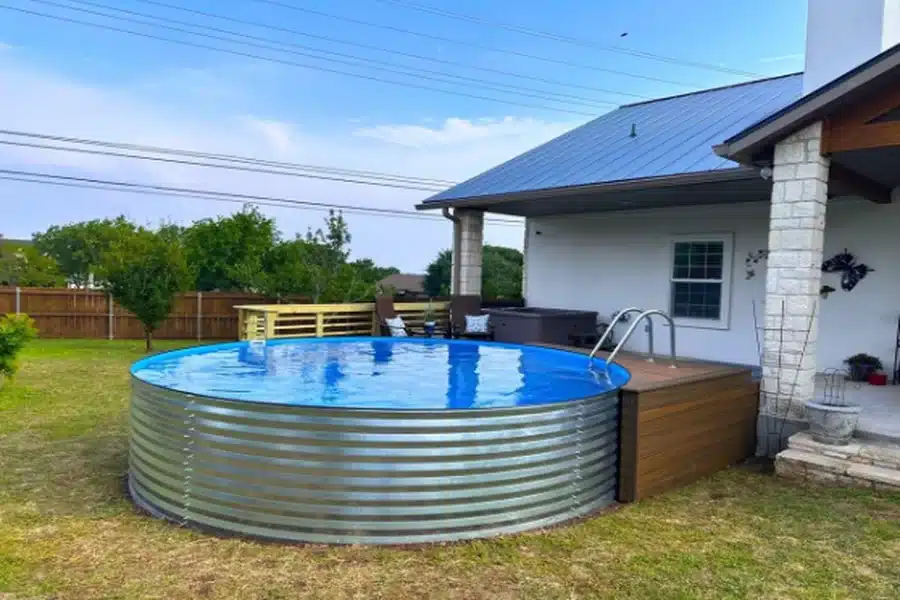
Owning a pool doesn’t have to mean spending every weekend elbow-deep in chemicals and hoses. A few smart habits, spread across the week instead of crammed into one long Saturday, keep the water clear without turning pool ownership into a second job.
Why a Simple Pool Maintenance Routine Matters
Most pool problems don’t appear overnight. Cloudy water, algae blooms, and clogged filters build up gradually, usually because a small task got skipped for a week or two – a skimmer basket left full, a chlorine reading that dipped too low over a hot weekend, a filter that missed its scheduled backwash. Algae especially doesn’t wait around: given warm water and a chemistry gap, it can turn a pool green in a matter of days rather than weeks. By the time the issue is visible, fixing it takes far longer than catching it early would have, and usually costs more too, whether that’s extra chemicals, a service call, or hours spent scrubbing stains out of the liner.
A consistent routine breaks maintenance into small pieces instead of one exhausting session. Checking chemistry twice a week and skimming debris as you walk by takes minutes, and it means the deep clean you dread almost never becomes necessary. The goal is to spend that time more often, in smaller doses, so nothing snowballs.
Create a Weekly Pool Care Schedule
Splitting maintenance across the week keeps any single task from feeling like a chore. A simple schedule – deck cleaning once, chemistry checks twice, skimming as needed – covers almost everything a backyard pool needs, and each piece takes only a few minutes on its own. Picking fixed days helps too: a Sunday sweep of the deck, a quick test before work on Tuesday and Friday, a pass with the skimmer whenever leaves start collecting. None of it demands a block of free time, which is exactly why it’s easy to stick with once it becomes routine rather than an occasional weekend project.
Clean the Pool Deck and Surrounding Area
Debris on the deck ends up in the water eventually, whether it’s tracked in on wet feet or blown in by the wind. A quick sweep or hose-down once a week keeps leaves, dirt, and grass clippings from finding their way past the skimmer.
This is also a good moment to check for cracks, loose boards, or slippery spots where algae has started to grow, since catching those early is cheaper than repairing them later. If a deck is part of a larger project, StainlessSwim handles the whole build from start to finish, including custom pools with decks designed around the shape of your yard.
Check Water Chemistry Regularly
Water chemistry drifts on its own, even in a pool nobody has used all week. Sunlight breaks down chlorine, rain dilutes the water, and body oils and sunscreen shift the pH more than most people expect.
Testing twice a week with strips or a liquid kit takes less than five minutes and tells you exactly what to adjust before it becomes a visible problem. Keep an eye on chlorine, pH, and total alkalinity – those three numbers catch most issues before algae or cloudiness shows up.
Skim the Surface and Clean the Pool
A five-minute pass with a skimmer net, done every day or two, stops leaves and bugs from sinking and decomposing at the bottom. Once debris settles, clearing it out takes a vacuum and a lot more patience. Brushing the walls and floor once a week also matters, especially in corners where algae tends to start first. It’s a small habit, but it’s the difference between a pool that stays clear on its own and one that needs a shock treatment every few weeks.
Keep the Filtration System Working Efficiently
The filter does more work than any other part of the system, which means it needs the most consistent attention. A sand filter should be backwashed once the pressure gauge reads 8-10 PSI above its clean, startup level – waiting longer just forces the pump to work harder for worse results.
Running the pump long enough to cycle the entire pool volume once a day is usually enough for a backyard-sized pool, though hot weather or heavy use can push that number higher. A pump that’s undersized or clogged struggles to keep water moving, and stagnant water is where algae gets its start.
Prevent Pool Problems Before They Start
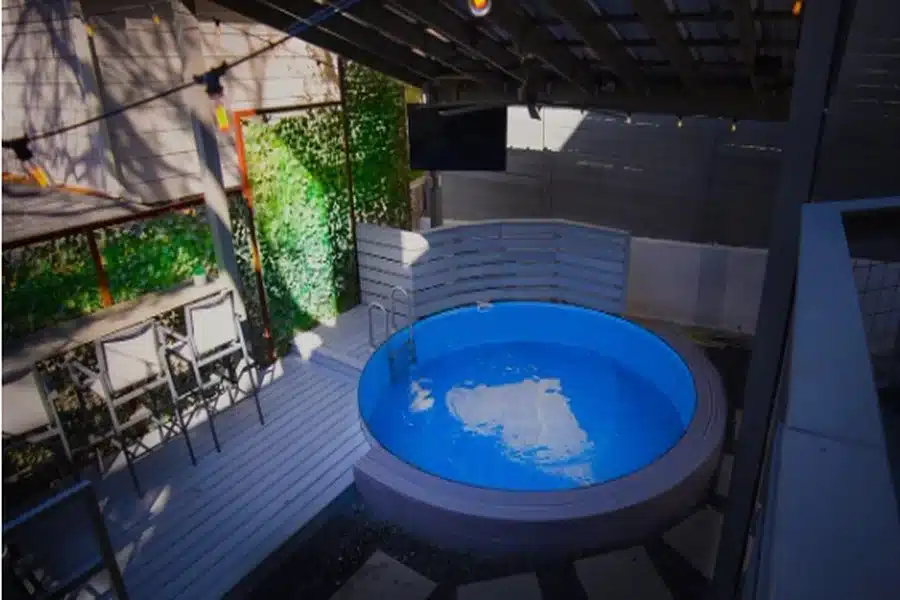
Most maintenance headaches come down to two things: skipped chemistry checks, and equipment that wasn’t sized correctly for the pool in the first place. A pump that’s too small or a filter that’s undersized will always struggle, no matter how carefully an owner sticks to a schedule.
This is part of why StainlessSwim pairs every tank pool with equipment built for the job – a properly sized pump, sand filter, and skimmer – rather than leaving owners to compensate for weak parts later. Starting with the right setup means the weekly routine actually works instead of fighting equipment that can’t keep up.
Use Simple Tools to Save Time on Pool Care
A handful of inexpensive tools can cut weekly maintenance time in half. A floating chemical dispenser keeps chlorine levels steadier between manual checks, and a pool cover used overnight or on windy days reduces the debris that ends up on the deck cleanup list. Robotic or suction-side automatic cleaners are worth considering too, particularly for larger pools, since they handle the vacuuming that would otherwise eat into a weekend. None of these replace the basics – chemistry, skimming, filter care – but they make each task faster.
Conclusion: Make Pool Maintenance Easier and More Consistent
Pool care gets easier the moment it stops being an occasional big job and becomes a handful of small habits spread across the week. Testing water twice, skimming daily, cleaning the deck once, and watching filter pressure covers nearly everything a backyard pool needs, and none of it takes more than a few minutes.
The other half of easy maintenance comes down to what’s installed in the first place. StainlessSwim builds custom tank pools with properly matched equipment and manages the entire project – excavation, installation, plumbing, and decking – so owners start with a system built to stay low-maintenance, instead of one they have to fight.