
How to Start an Artificial Snow Installation Business
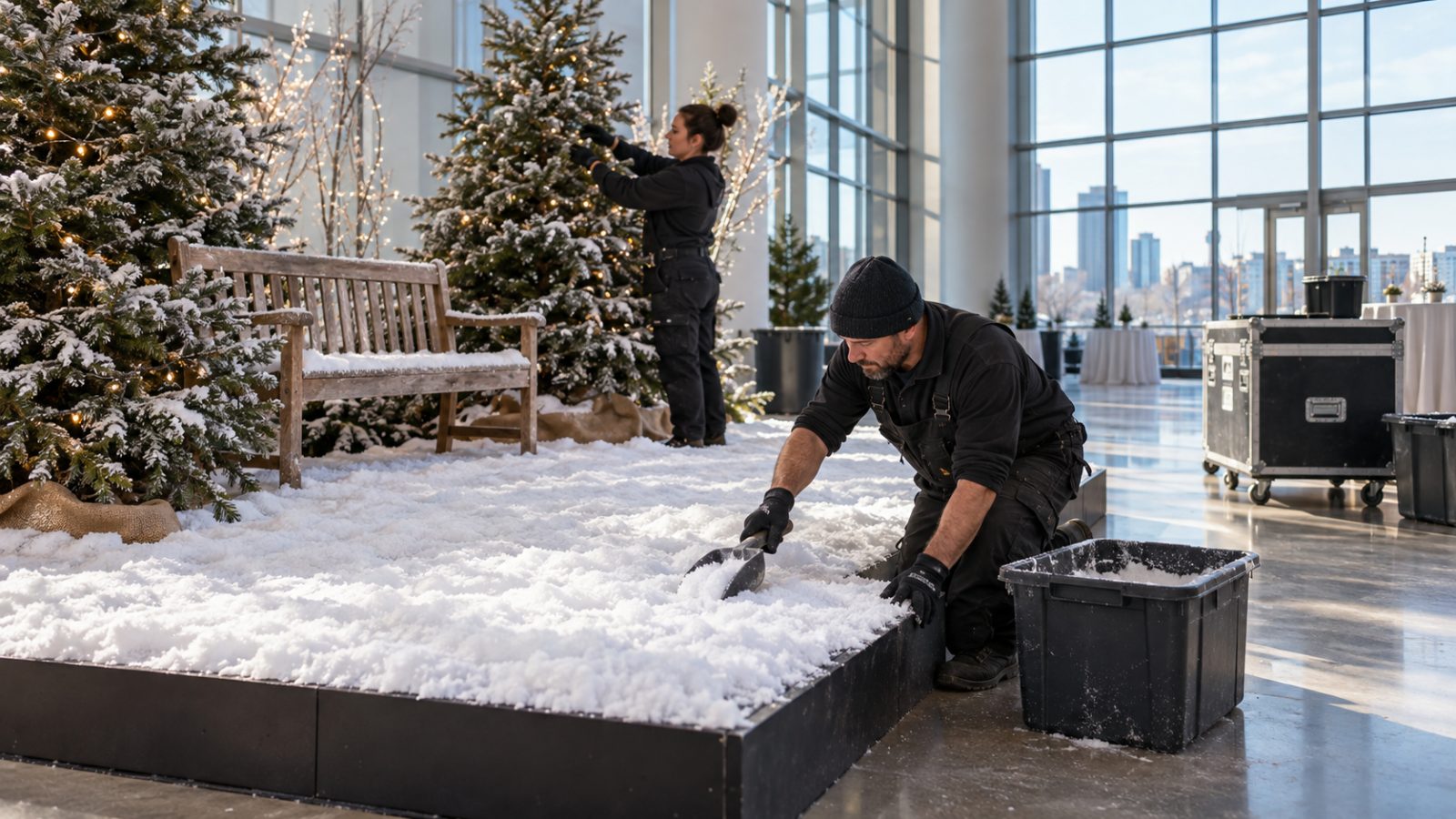
Starting an artificial snow installation business means selling planned winter displays to venues, retailers, photographers, and event organizers. Your job includes selecting suitable materials, preparing the site, installing the display, and arranging cleanup.
Begin with one service you can deliver reliably. A small photography backdrop or storefront display gives you a manageable first project and helps you learn how much time, material, and labor each booking requires.
Choose Your First Customers
Pick a customer group before buying equipment. Photographers may need temporary winter sets, while retailers may want displays that remain attractive throughout the holiday season. Event venues often need installation and removal within tight schedules.
Ask potential customers about space, dates, and budgets. Build your offer around their requirements before purchasing supplies.
Understand Materials and Equipment
Learning about creating fake snow starts with understanding that different effects require different products. Ground coverings, snow on scenery, and airborne effects are separate applications, so confirm suitability with your supplier.
Snow Effects lists both adhesive and nonadhesive snow products, along with application equipment. Product choice should depend on the surface, desired appearance, installation method, and removal requirements.
A commercial snow machine should match the effect you intend to sell. Ask about compatible materials, coverage, operating requirements, cleaning, and training before buying or renting equipment.
Plan Your Business Costs
Prepare a startup budget that includes supplies, transport, storage, equipment, and insurance. Also account for business registration and any licenses or permissions required in your area.
Renting equipment can help you test demand before buying. Compare rental costs with expected bookings, and check whether delivery, cleaning, or consumables cost extra.
Keep business income and expenses organized. Accurate records make it easier to price future jobs and spot services that consume too much time.
Build a Clear Service Package
Define exactly what customers receive. Your quote should identify the covered area, display duration, installation window, and who is responsible for maintenance and removal.
Useful quote details include:
- Materials and equipment included.
- Site preparation and access requirements.
- Setup, inspection, and cleanup arrangements.
- Charges for travel, changes, or additional visits.
Calculate materials and labor before adding your margin. Include loading, driving, unloading, and removal time rather than charging only for the installation itself.
Complete a Small Demonstration Project
Create a sample installation that reflects the work you want to sell. Photograph the display, record setup time, and measure material usage.
Follow product instructions and check venue requirements before installation. Confirm surface compatibility, electrical access where needed, pedestrian routes, and cleanup methods.
Use your sample photos in a simple portfolio and send tailored proposals to local businesses. Explain the practical details customers need, including availability, scope, and the process for requesting a quote.
Manage Bookings and Seasonal Demand
Use a written agreement to record dates, payment terms, responsibilities, and cancellation arrangements. Confirm site access before scheduling staff or ordering materials.
Leave time between projects for cleaning, transport, and delays. After each job, update your cost records and ask customers which parts of the service could work better.
Conclusion
Starting an artificial snow installation business can be a promising opportunity for entrepreneurs who enjoy creative displays and seasonal services. By choosing a specific target market, investing in suitable materials and equipment, and setting clear prices, you can build a service that meets customers’ needs. Start with small projects, document your results, and use customer feedback to improve your offers. With careful budgeting, reliable installation practices, and effective planning, you can develop a sustainable business and expand your services as demand grows.