
Lime-Based Soil Treatment for Faster Drying and Better Stability
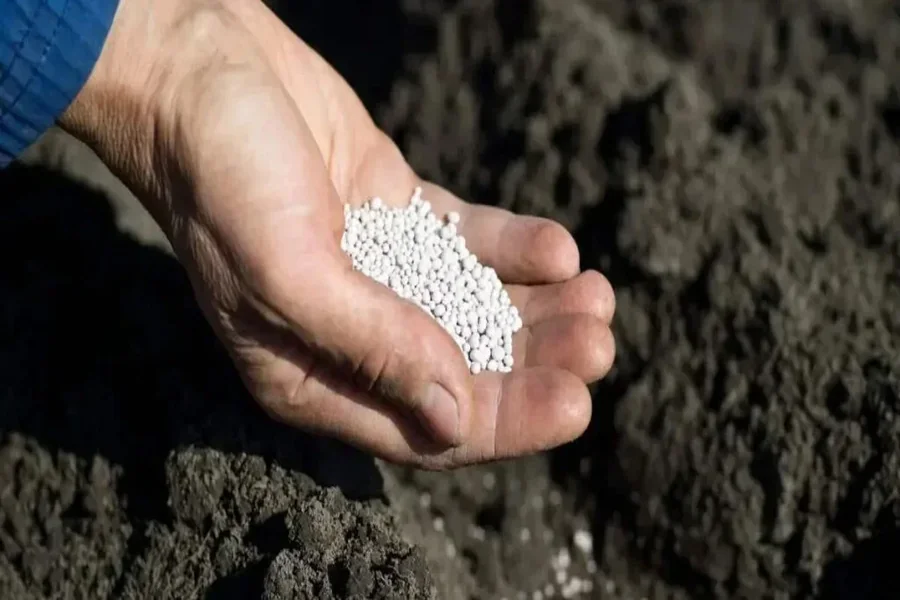
Wet subgrade can stop earthwork, delay paving, and compromise long-term pavement performance. Lime treatment addresses those problems through controlled chemical reactions that reduce moisture content, lower plasticity, and improve load-bearing capacity. Quicklime and lime kiln dust can restore workable conditions more quickly than mechanical drying alone. The correct approach depends on soil mineralogy, water content, treatment depth, strength targets, and field testing. Careful preparation gives construction crews a firmer platform for compaction and subsequent layers.
Why Wet Soil Delays Construction
Construction teams need dependable ground before placing aggregate, concrete, or asphalt. Saturated subgrade loses bearing capacity, ruts beneath loaded equipment, and often demands costly rework. Mintek Resources supplies lime products and technical support for drying, modification, and stabilization work. Its guidance can help contractors compare product chemistry, estimate application rates, coordinate delivery, and match treatment methods with field conditions. Those decisions matter because a single uniform dose rarely suits every soil type.
How Lime Removes Moisture
Quicklime reacts with available water during hydration, producing heat and converting free moisture into a less mobile form. Mixing exposes additional material, allowing evaporation to continue through aeration and surface contact. Lime kiln dust may provide similar drying action, depending on its calcium content and fineness. The treated soil becomes easier to spread, grade, and compact once moisture falls within an acceptable working range.
Stability Requires More Than Drying
Drying restores access, but stabilization addresses performance after construction. Lime can promote pozzolanic reactions between silica, alumina, and calcium. Over time, those reactions form cementitious compounds that increase stiffness and resistance to repeated loading. Results depend on curing conditions, temperature, moisture retention, and thorough blending. Project engineers should establish strength requirements before choosing a product or approving the field method.
Common Performance Measures
Engineers commonly examine moisture content, plasticity index, unconfined compressive strength, resilient modulus, and California Bearing Ratio values. Density results reveal whether compaction achieved the required level. Uniformity checks can identify untreated pockets that may become weak points beneath pavement or foundations. Test samples should represent actual site material, since generic values may overlook local clay content, drainage conditions, or fill variability.
Selecting the Right Lime Product
Quicklime provides strong moisture reduction through rapid hydration and heat release. Lime kiln dust may offer an economical choice where its chemical composition suits the soil. Hydrated lime can serve as a selected modifier or chemical control agent. Product selection should account for dosage, storage, haul distance, dust management, and available mixing equipment. Early technical review helps prevent insufficient treatment, unnecessary consumption, and repeated site handling.
Calculating Application Rates
Application rates depend on dry soil mass, water content, clay percentage, and the intended performance outcome. A preliminary range may fall between two and six percent by dry weight, although laboratory work must confirm the final value. For a 2,000-ton section treated at 4%, the estimated requirement is 80 tons. Accurate calculations improve purchasing, placement control, inventory tracking, and cost forecasting during active earthwork.
Field Placement and Mixing
Crews generally spread lime across a prepared surface before blending it with a reclaimer, rotary mixer, or comparable machine. The mixing depth must match the approved treatment section. If the blend remains shallow, untreated material can persist below the working layer. Water may be added when hydration or compaction requires adjustment. Operators should monitor overlap, wind, dust movement, and visual uniformity throughout the placement process.
Compaction and Curing Control
Compaction should begin after the mixture reaches a consistent condition. Waiting too long can reduce workability as hydration advances or moisture redistributes. Rollers must achieve the specified density without forcing excess water upward. Curing may require a mellowing period, moisture protection, or prompt covering, based on project specifications. Field density tests provide timely evidence that the treated layer meets acceptance requirements.
Safety and Environmental Controls
Lime dust can irritate the skin, eyes, and respiratory tract. Workers need appropriate protective equipment, clear exclusion zones, and task-specific handling procedures during spreading and mixing. Water trucks and wind monitoring can reduce airborne movement. Covered transport limits material loss during hauling. Runoff controls also help keep alkaline particles away from drains, streams, and adjacent work areas.
Conclusion
Lime-based soil treatment can shorten drying time, improve workability, and increase support for pavement or structural layers. Good results require measured moisture, suitable chemistry, controlled spreading, complete mixing, and verified compaction. Quicklime, lime kiln dust, and hydrated lime serve different purposes, so product choice should be guided by testing rather than habit. With disciplined quality control, construction teams can reduce downtime, limit rework, and create a more stable foundation for demanding loads.