
Office Pods: A Smart Solution for Privacy and Productivity
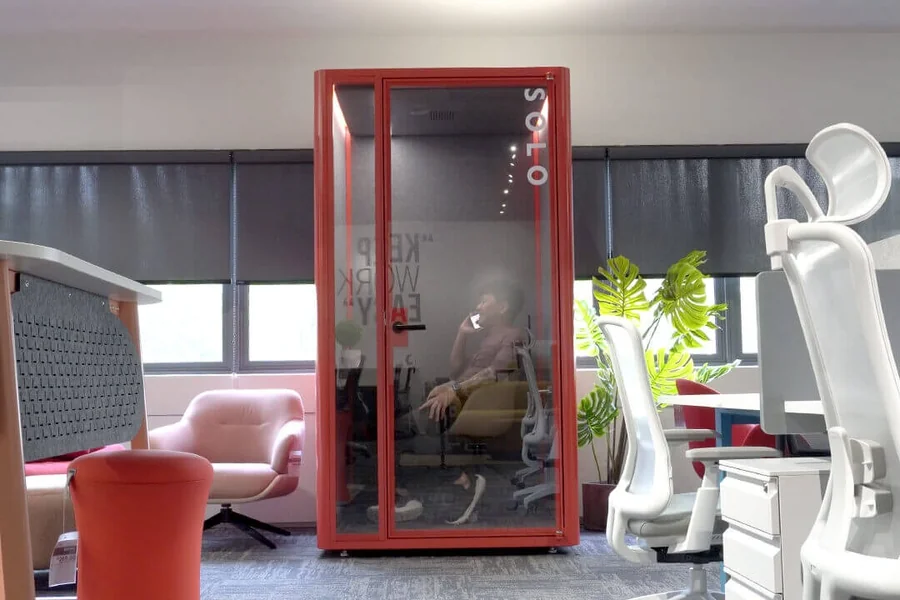
Open-plan offices seemed like the future once upon a time. Tear down those walls! Foster collaboration! Create that buzzing hive of creativity! Well, I’ve worked in my fair share of open offices, and let me tell you — sometimes you just need to escape the chaos. That’s where office pods come in, offering a sanctuary of focus amidst the madness.
These compact, self-contained workspaces have become the secret weapon for companies trying to balance collaboration with concentration. Think of them as the Swiss Army knife of office furniture — versatile, practical, and surprisingly effective at solving multiple problems at once.
The Privacy Problem That Nobody Talks About
Here’s something that struck me during a particularly frustrating afternoon: I was trying to conduct a sensitive phone call about a project budget whilst my colleagues discussed their weekend plans three desks away. The irony wasn’t lost on me — we’d created these ‘collaborative’ spaces that made actual work harder to accomodate.
Privacy isn’t just about having somewhere quiet to make phone calls (though that’s certainly part of it). It’s about creating psychological safety. When you can’t concentrate because every conversation, phone ring, and keyboard click invades your headspace, productivity plummets. Office pods address this fundamental flaw in open-plan design.
The beauty of these enclosed spaces lies in their ability to provide instant privacy without permanent construction. Need a confidential HR meeting? Pop into a pod. Want to focus on that complex spreadsheet without interruption? Pod time. It’s flexibility at its finest.
Productivity Benefits That Actually Matter
I’ll be honest — I was skeptical about office pods initially. They seemed like an expensive solution to a problem we’d created ourselves. But the productivity gains are genuinely impressive once you experience them firsthand.
Research consistently shows that it takes roughly 23 minutes to fully refocus after an interruption. In a typical open office, interruptions happen every 11 minutes. Do the maths — you’re essentially never reaching peak concentration. Office pods break this cycle by creating dedicated focus zones where deep work can actually happen.
The acoustic benefits alone are worth the investment. Modern pods use advanced sound-dampening materials that reduce external noise by up to 30 decibels. That’s the difference between trying to concentrate in a busy restaurant versus a quiet library.
But it’s not just about blocking noise. These spaces also contain your noise, preventing your important calls or discussions from disturbing others. It’s a win-win situation that I wish more offices would embrace.
Different Types for Different Needs
Not all office pods are created equal, and choosing the right type depends on your specific requirements. Phone booths are the most compact option — perfect for quick calls or video conferences. I’ve used these countless times for client calls, and they’re brilliant for maintaining professionalism when the office gets hectic.
Meeting pods accommodate 2-4 people and work wonderfully for small team discussions, brainstorming sessions, or client meetings. They typically include integrated technology like screens, power outlets, and sometimes even whiteboards. Some even have adjustable lighting — a nice touch that shows attention to detail.
Focus pods are designed for individual work. These are larger than phone booths but smaller than meeting spaces, creating the perfect environment for tasks requiring sustained concentration. Think writing reports, coding, financial analysis — anything that demands your full attention.
Then there are the premium options with features like ventilation systems, USB charging ports, and even built-in furniture. The prices vary dramatically depending on specifications, but you’re typically looking at £3,000-£15,000 per unit.
Installation and Space Considerations
One major advantage of office pods is their relatively simple installation process. Unlike traditional construction, most pods are modular and can be assembled without major building work. This means minimal disruption to daily operations — something any office manager will appreciate.
However, you need to consider your existing space carefully. Pods require adequate clearance for doors, proper ventilation access, and proximity to power sources. I’ve seen installations where insufficient planning led to awkward placement that actually reduced office flow rather than improved it.
Most pods are surprisingly space-efficient. A typical meeting pod occupies roughly the same footprint as 2-3 standard desks but provides functionality that can serve dozens of employees throughout the day. The utilisation rates are often much higher than traditional meeting rooms.
Weight is another factor — these aren’t lightweight structures. Ensure your flooring can handle the load, particularly in older buildings. It’s worth consulting with facilities management before making final decisions.
Cost Analysis and ROI Considerations
Let’s talk money, because that’s ultimately what drives most business decisions. Office pods represent a significant upfront investment, but the return on investment can be substantial when calculated properly.
Consider the cost of traditional construction for additional meeting rooms or private offices. Pods eliminate architectural fees, building permits, lengthy construction timelines, and the associated business disruption. When you factor in these avoided costs, pods often prove more economical than permanent alternatives.
The productivity gains translate to real financial benefits. If pods help employees accomplish focused work 20% more efficiently, the salary cost savings alone can justify the investment within 12-18 months. That’s not even considering reduced staff turnover from improved working conditions.
Maintenance costs are generally minimal — most manufacturers offer comprehensive warranties and the modular construction means individual components can be replaced rather than entire units. This contrasts favourably with traditional construction where repairs often require specialised contractors.
Employee Wellbeing and Satisfaction
Perhaps the most compelling argument for office pods isn’t financial — it’s human. The constant stress of working in noisy, distracting environments takes a genuine toll on employee wellbeing. Pods provide respite from this sensory overload.
I’ve observed remarkable changes in colleague behaviour after pod installation. People seem more relaxed knowing they have access to quiet space when needed. It’s like having a pressure release valve — just knowing it’s there reduces anxiety even when you’re not using it.
The psychological benefits extend beyond individual users. Teams report improved meeting quality in pods compared to traditional conference rooms. The intimate setting encourages more honest communication and focused discussion. It’s amazing how physical space influences interpersonal dynamics.
Employee surveys consistently show higher satisfaction scores in offices with pod installations. This isn’t surprising — providing choice and control over work environment is a powerful motivator that costs relatively little compared to salary increases or other benefits.
Future-Proofing Your Office Investment
The workplace continues evolving rapidly, and office pods offer valuable flexibility for adapting to change. Hybrid working arrangements require spaces that can serve multiple functions efficiently — pods excel at this versatility.
Modern pods increasingly incorporate smart technology — occupancy sensors, booking systems, air quality monitoring, etc. This data helps optimize space utilisation and identify usage patterns that inform future workplace decisions.
The modular nature means pods can be reconfigured, relocated, or upgraded as needs change. Try doing that with traditional construction! This adaptability protects your investment against shifting business requirements or office relocations.
Sustainability is another consideration. Many pods use eco-friendly materials and energy-efficient components. As environmental concerns grow, these features become increasingly valuable for both regulatory compliance and employee expectations.
Final Thoughts
Office pods aren’t a magic solution to every workplace challenge, but they address genuine problems that affect most modern offices. The combination of privacy, flexibility, and relatively quick implementation makes them an attractive option for companies serious about employee productivity and satisfaction.
My initial skepticism has largely evaporated after seeing the real-world benefits firsthand. Yes, they’re an investment, but one that pays dividends in improved focus, better meetings, and happier employees. In an era where talent retention is crucial, providing quality workspace options isn’t just nice to have — it’s essential for competitive advantage.
The key is choosing the right pods for your specific needs and ensuring proper installation. Done correctly, they can transform your office dynamics in ways that traditional furniture simply cannot match.