
Portable Power Station Buying Tips for First-Time Users
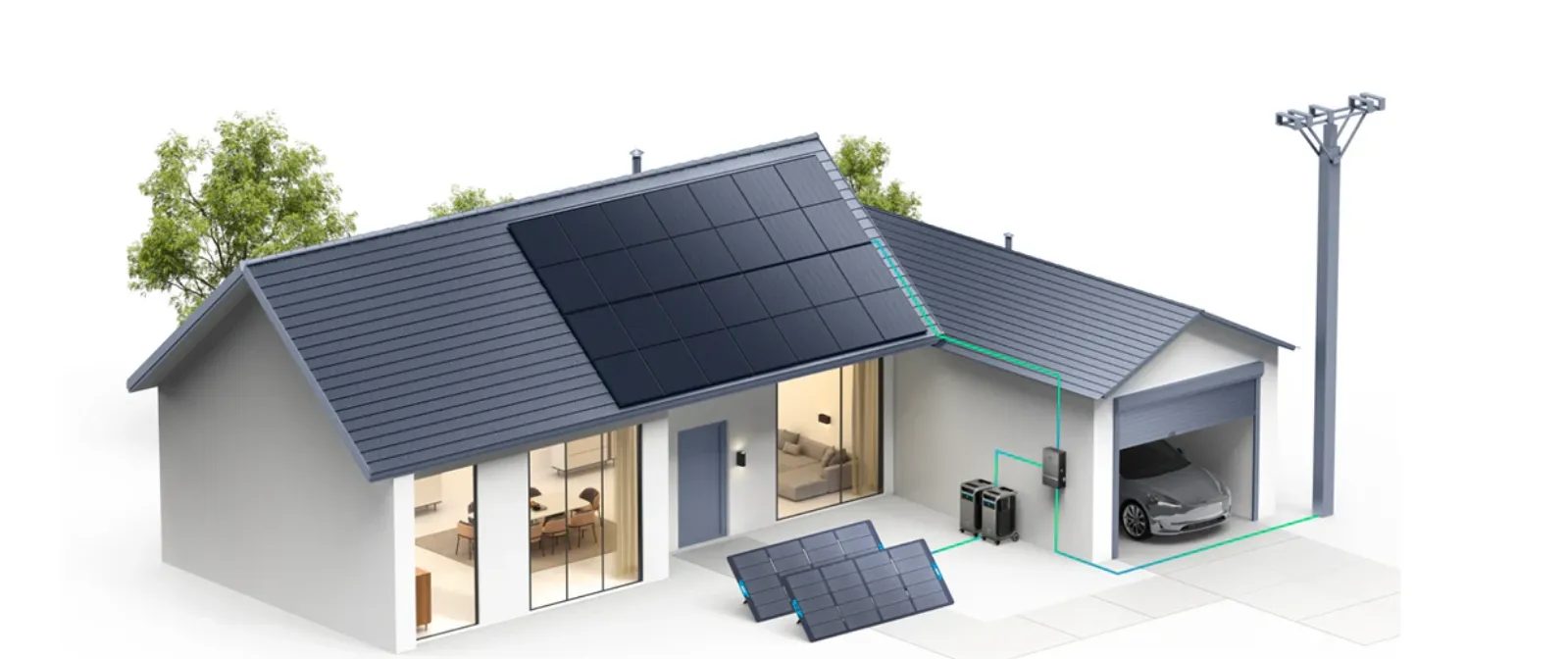
Portable power stations give first-time buyers a cleaner, quieter way to keep essential devices running at home, on the road, or outdoors. These compact battery systems store energy from wall outlets, solar panels, and, on select models, even gas generators. They can power anything from phones and laptops to appliances, depending on capacity and output. For new users, the challenge is not understanding what a portable power station does, but choosing one that matches real-world needs. The smartest purchase comes from comparing energy storage, wattage, charging flexibility, durability, and portability instead of choosing based on price or marketing alone.
Understand Your Power Needs Before Buying a Portable Power Station
Identify Where and How You Will Use Your Portable Power Station
Start by deciding the main job your portable power station must handle. A unit for weekend camping should prioritize portability, quiet operation, and enough battery for lights, phones, cameras, and a small cooler. A model for home backup should focus more on larger capacity, higher output, and longer runtime for routers, refrigerators, medical devices, or emergency lighting. RV users may need multiple AC ports and specialty connections, while DIY workstations may need stable output for tools and charging equipment. Defining your primary use case helps you avoid overspending on features you will never use and prevents buying a model that cannot support your most important devices when needed.
Calculate Required Capacity and Output for Your Devices
Next, list the devices you want to power and check both their running wattage and any startup surge. Capacity, measured in watt-hours, tells you how long the station can run your gear. Output, measured in watts, tells you how much power it can deliver at one time. For example, charging phones and laptops requires modest output, while microwaves, coffee makers, power tools, and refrigerators need much more. Add the wattage of devices you may run simultaneously, then choose a unit with a safe buffer. This step gives you a definitive buying target and helps you avoid two common mistakes: buying too little battery capacity or not enough inverter power.
Key Features First-Time Buyers Should Compare
Battery Capacity, Output Power, and Charging Speed
These three specs determine everyday usefulness. Higher capacity supports longer runtimes, while higher output allows you to run larger appliances and more devices at once. Charging speed matters because a station that refills quickly is more practical during short trips or power outages. Compare input options as well as recharge time from wall charging and solar. A fast-charging model with balanced capacity and strong continuous output will serve first-time users better than a large battery that takes too long to recharge or a lightweight unit that cannot handle important loads reliably.
Ports, Connectivity, and Smart Energy Management Features
Look beyond total wattage and check the port layout carefully. A useful portable power station should include enough AC outlets, USB ports, and DC connections for the devices you actually use. If you travel in an RV or need specialty connections, port type becomes even more important. Smart features also improve convenience. App-based monitoring through Wi-Fi or Bluetooth lets you check battery level, manage settings, and track charging remotely. Good energy management features help you use stored power more efficiently, reduce guesswork, and make the station easier to operate during emergencies or off-grid situations.
Size, Weight, and Portability for Different Scenarios
Portability is not just about carrying comfort; it affects where and how often you will use the unit. For car camping, tailgating, and travel, a lighter station is easier to load, move, and store. For home backup, extra weight may be acceptable if you gain significantly more battery capacity and output. Think about handles, wheel design if applicable, and where the unit will live between uses. The best first purchase balances mobility with enough power for your actual routine rather than chasing extremes in either direction.
Essential Buying Tips for Choosing the Right Portable Power Station
Check Battery Technology and Long-Term Reliability
Battery chemistry matters because it affects lifespan, safety, and long-term value. LiFePO4 batteries are a strong choice for first-time buyers because they are known for durability and dependable performance over many charge cycles. Reliable construction and well-designed battery management systems also help protect the unit during regular use. Look for proven technology, solid warranty coverage, and a realistic service life. A cheaper model may cost more over time if battery performance drops quickly or the system cannot deliver consistent power when you need backup most.
Consider Solar Charging and Off-Grid Power Options
If you plan to camp, travel, or prepare for outages, solar compatibility adds valuable flexibility. A portable power station that supports solar charging can keep essential devices running longer without relying only on wall power. This is especially useful for off-grid setups, extended outdoor stays, and emergency readiness. Check the maximum solar input and charging controller design so you know how efficiently the station can recharge in real conditions. Flexible input options make the system more useful and help you stay powered during longer disruptions.
Match Product Features With Your Budget and Future Needs
A first portable power station should solve current needs without limiting your next step. Choose the features that directly support your main use case, then consider whether your energy needs may grow. Expandable capacity, stronger output, and broader charging options can be worthwhile if you expect to add appliances, travel more often, or use the unit for home backup later. Spending strategically usually beats buying the cheapest model available. The right value comes from useful performance, long battery life, and flexibility that keeps the station relevant for years.
How to Get Better Value From Your First Portable Power Station
Recommended Setup Tips for Camping, Travel, and Emergency Backup
For camping and travel, pack the charging cables you will actually use, pre-test small appliances, and place the station where ventilation stays clear. Keep phones, lights, and navigation gear on priority charging schedules so power lasts longer. For emergency backup, store the unit in an accessible location and recharge it regularly. Test key loads such as routers, lights, and medical essentials in advance. A labeled checklist of devices, cables, and charging methods makes setup faster and helps prevent confusion during outages or quick departures.
Product Example: Exploring Anker SOLIX Portable Power Stations
Anker SOLIX portable power stations are designed for home backup, camping, RV trips, emergencies, and off-grid use, with clean, quiet operation and flexible charging. The F3800 Plus offers 3,840Wh capacity and 6,000W output, supports 120V and 240V appliances, and expands to 26.9kWh. It also accepts up to 3,200W solar input through dual MPPT controllers and supports 240V gas generator charging through a 6,000W bypass. With InfiniPower technology, EV-grade LiFePO4 batteries, app control, and a 5-year warranty, it targets long-term reliability.
Conclusion
First-time buyers should choose a portable power station by matching capacity, output, charging options, battery technology, and portability to real use cases. Start with your must-run devices, calculate power requirements, and compare only the features that improve daily use or emergency readiness. A well-chosen unit should feel practical, reliable, and easy to recharge. When you buy with clear priorities instead of guesswork, your first portable power station is more likely to deliver dependable power for travel, backup needs, and everyday convenience.