
Restoring Function and Confidence: A Practical Guide to Permanent Tooth Replacement
Losing an adult tooth affects more than just the appearance of a smile. It changes how you chew, alters speech patterns, and causes adjacent teeth to shift into empty gaps over time. In dentistry, tooth loss triggers a slow chain reaction in bone density. Without the root of a tooth to stimulate the jawbone, the surrounding bone tissue reabsorbs into the body, changing the facial structure.
While traditional bridges and removable dentures have served patients for decades, modern restorative dentistry focuses on solutions that replace both the root and the crown. Understanding how different replacement options function helps individuals and families make informed decisions about long-term oral health.
Understanding Tooth Replacement Options
When evaluating options for replacing missing teeth, the primary choices fall into three categories: removable dentures, fixed bridges, and dental implants. Each serves a specific purpose, but they differ significantly in longevity, structural support, and maintenance.
Removable Dentures and Fixed Bridges
Partial or full dentures rest directly on the gums and rely on suction or metal clasps attached to neighboring teeth. While cost-effective upfront, they do not prevent jawbone loss, and they often require periodic adjustments or relining as the bone shape changes over time.
Fixed dental bridges fill a gap by anchoring an artificial tooth to the adjacent natural teeth. To place a bridge, the healthy surrounding teeth must be reshaped and fitted with crowns. While bridges offer stability, modifying adjacent healthy teeth is a trade-off that patients should consider.
The Role of Implants in Structural Preservation
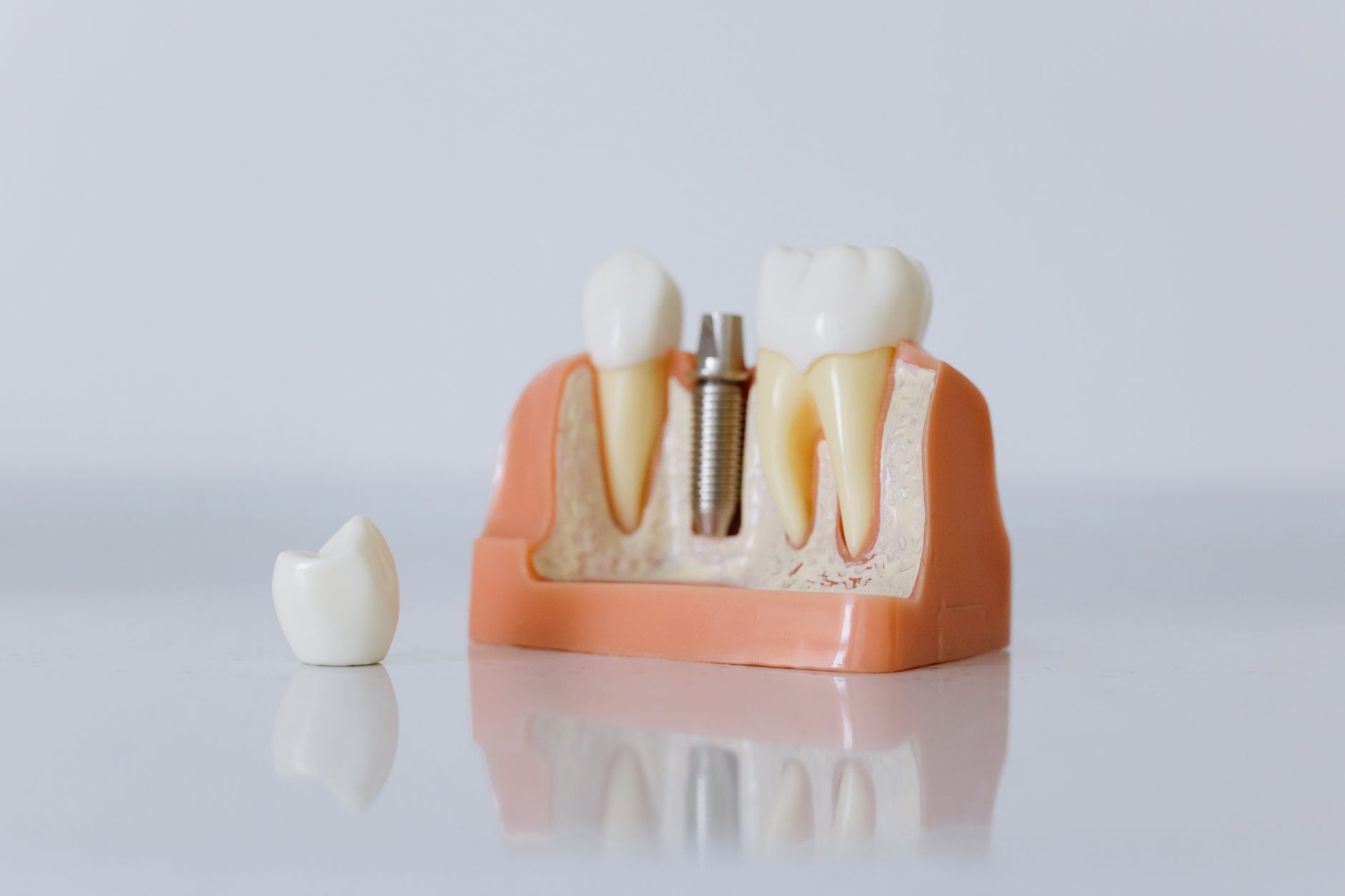
Unlike options that sit on top of the gums or rely on neighboring teeth, implants replace the missing root structure entirely. A titanium post is surgically placed into the jawbone, where it undergoes osseointegration—a process where the bone fuses directly to the post over several months.
Once integrated, the post acts as an anchor for a custom crown. This process prevents jawbone deterioration, keeps adjacent teeth in their natural positions, and provides a chewing force comparable to natural teeth. Patients evaluating localized options for structural restoration often consult providers offering quality dental implants in Newmarket ON to determine if their jawbone density is sufficient for the procedure.
The Dental Implant Process: Step-by-Step
Getting an implant involves a multi-stage process designed to ensure stability and long-term success. Understanding the timeline helps patients plan effectively.
- Initial Assessment and Imaging: The dentist uses 3D digital imaging or CT scans to evaluate bone volume, density, and the placement of nerves and sinus cavities. If the bone is too thin, a preliminary bone graft may be recommended.
- Surgical Post Placement: Under local anesthesia, the dentist places the titanium post into the jawbone. The site is closed with sutures, beginning the healing phase.
- Healing and Osseointegration: Over a period of three to six months, the jawbone fuses with the post. A temporary crown or bridge can be worn during this time for appearance.
- Abutment and Crown Placement: Once healing is complete, a small connector piece called an abutment is attached to the post. A custom-made porcelain crown, matched to the shade and shape of surrounding teeth, is secured to the abutment.
Maintaining Long-Term Oral Health
An implant cannot develop a cavity, but the gum tissue and bone surrounding it remain susceptible to infection. Condition known as peri-implantitis—similar to gum disease—can develop if bacteria build up along the gum line, potentially causing the implant to fail.
Long-term success depends on a consistent oral hygiene routine:
- Daily Flossing and Brushing: Brush twice daily with a soft-bristled toothbrush and use specialized floss or interdental brushes designed to clean around implant crowns.
- Routine Professional Cleanings: Regular dental visits allow hygienists to remove plaque and tartar from hard-to-reach areas using specialized instruments that won’t scratch the restoration.
- Nightguards for Teeth Grinding: If you grind your teeth at night (bruxism), wearing a custom nightguard protects both natural teeth and implant crowns from excessive forces.
Selecting the right tooth replacement method comes down to overall health, budget, bone density, and long-term goals. Consulting with a dental professional for a thorough examination and digital imaging is the most reliable way to create a tailored treatment plan.
Are you or a family member currently weighing the options between traditional bridges and permanent implants? Share your questions or experiences in the comments below.