
Signs Your Home Needs Larger Off-Grid Kits
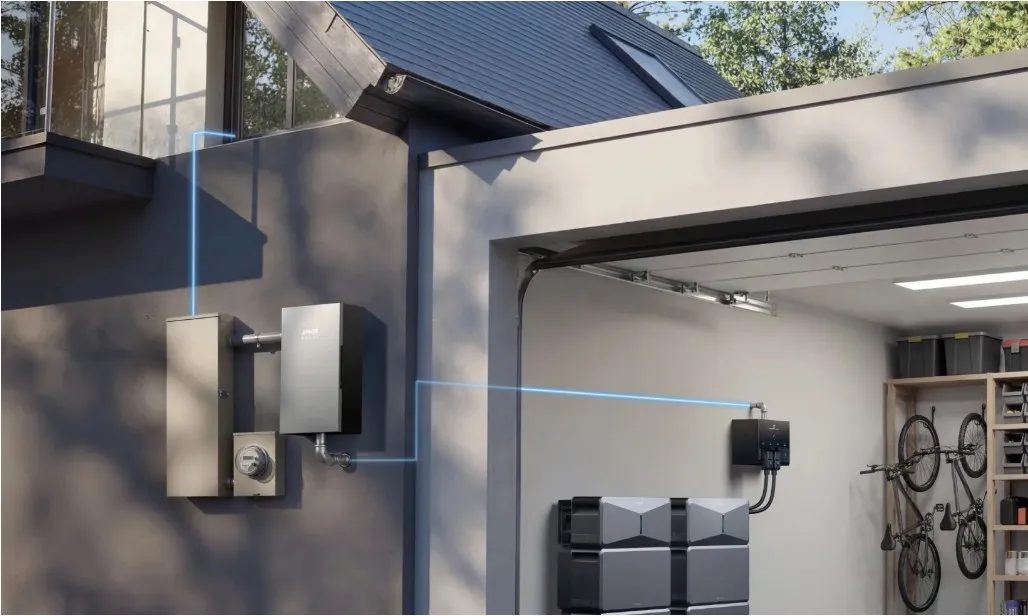
An off-grid kit may need a larger battery, more solar input, or a higher-output inverter when it no longer meets household demand. Warning signs include batteries that empty too soon, panels that fail to recharge them, new appliances that increase daily use, and an inverter that trips under load. Review several days of energy data to identify whether storage, generation, or power delivery is the bottleneck. That diagnosis helps you expand the right part of the system without unnecessary expense.
Your Batteries Run Out of Power Too Early
Essential Appliances Lose Power Before the Day Ends
Lights dimming, a refrigerator shutting down, or communications equipment losing power before evening can signal insufficient storage. Check whether the battery reaches its low-charge cutoff during ordinary use and note which appliances were running. Compare those loads with usable battery capacity. Repeated shortfalls, especially on typical days, suggest the system needs more storage, lower consumption, or both.
Battery Levels Drop Faster Than Your Usual Energy Use
Battery state of charge should fall in a pattern that matches the appliances you use. If it drops much faster than usual, log readings alongside weather, runtime, and newly added devices. A sudden change may point to a damaged battery, poor connection, or incorrect monitoring settings—not simply an undersized kit. Rule out faults before buying more capacity.
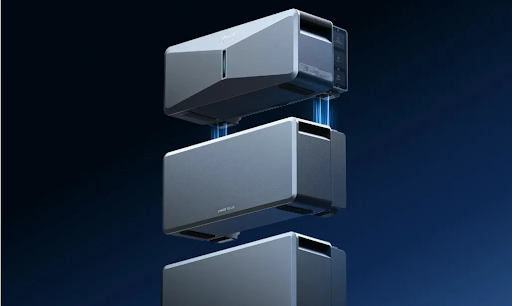
If the battery is nearly empty each morning despite a full charge at sunset, overnight loads may exceed usable storage. Include refrigerators, routers, security systems, pumps, and standby draw in your calculation. For longer autonomy, compare larger battery configurations; the Anker E10 Off-Grid Kit supports up to 30 kWh per unit, expandable to 90 kWh total capacity. Confirm compatibility before upgrading.
Your Solar Panels Cannot Replenish Battery Capacity
Batteries Rarely Reach a Full Charge
If batteries rarely reach a full charge on sunny days, the array may produce too little energy or the system may not be charging correctly. Check for shade, dirty panels, controller alerts, loose connections, and incorrect settings. Compare generation across several clear days before deciding the kit is undersized. Persistent shortfalls may justify more solar input or a professional inspection.
Daily Energy Production Falls Behind Household Demand
Compare daily solar generation with household consumption using the controller or monitoring app. If demand consistently exceeds production, the battery starts each day less charged and may gradually run down. Review appliance runtimes, seasonal sunlight, and panel output before expanding the array. Aim to generate enough energy on typical days to serve loads and restore the battery.
Cloudy Weather Leaves Too Little Backup Energy
A system that works only in ideal sunshine may lack enough storage or generation margin for cloudy stretches. Review how quickly the battery drains during overcast days and identify essential loads. More storage can extend autonomy, while additional panels may improve recharging during limited sun. Plan around local weather, critical loads, and how long you need power without strong sunlight.
Your Household Energy Needs Have Increased
You Have Added Energy-Hungry Appliances
A freezer, electric kettle, induction cooktop, workshop tool, or entertainment system can change your load profile. List each appliance’s wattage and daily runtime, then calculate its use in watt-hours. Check whether several devices run at once. If the kit was sized for fewer loads, you may need more storage, solar generation, inverter output, or a combination.
Heating, Cooling, or Water Pumping Uses More Electricity
Space heaters, air conditioners, and water pumps can consume substantial energy; motors may also need a startup surge. Track their use during the hottest or coldest weeks, not just mild weather. Check appliance labels and compare seasonal demand with solar production and usable battery capacity. If these loads are essential, size the system for realistic runtime.
More People at Home Increase Daily Power Consumption
Additional occupants often mean more showers, laundry, cooking, device charging, lighting, and internet use. Small loads add up when several people use them throughout the day. Recalculate consumption for a typical busy day and include devices that remain on overnight. If demand has risen consistently, adjust habits first, then assess whether storage, solar capacity, or inverter output needs to increase.
Your Inverter Struggles With Appliance Loads
Frequent inverter alarms, shutdowns, or trips when appliances start may indicate that simultaneous running loads exceed its continuous rating or startup surges exceed its peak limit. Add the wattages of devices likely to run together and check motor and compressor requirements. A battery backup for home use needs the same careful matching of continuous output and surge capacity. If managing loads does not solve the problem, choose a compatible higher-output inverter rather than adding battery capacity alone. Verify that the replacement supports your actual appliances.
Conclusion
Repeated early shutdowns, incomplete recharging, growing household demand, and inverter overloads are clear signs that an off-grid kit needs reassessment. Track energy use and solar production, check for faults, and identify whether storage, generation, or inverter output is the limiting factor. Size any upgrade around essential loads, seasonal conditions, and required backup time. A measured upgrade addresses the actual bottleneck and helps avoid paying for capacity the system cannot use. Recheck performance afterward to confirm the upgrade resolves the shortfall.