
Small Habits Create Big Change
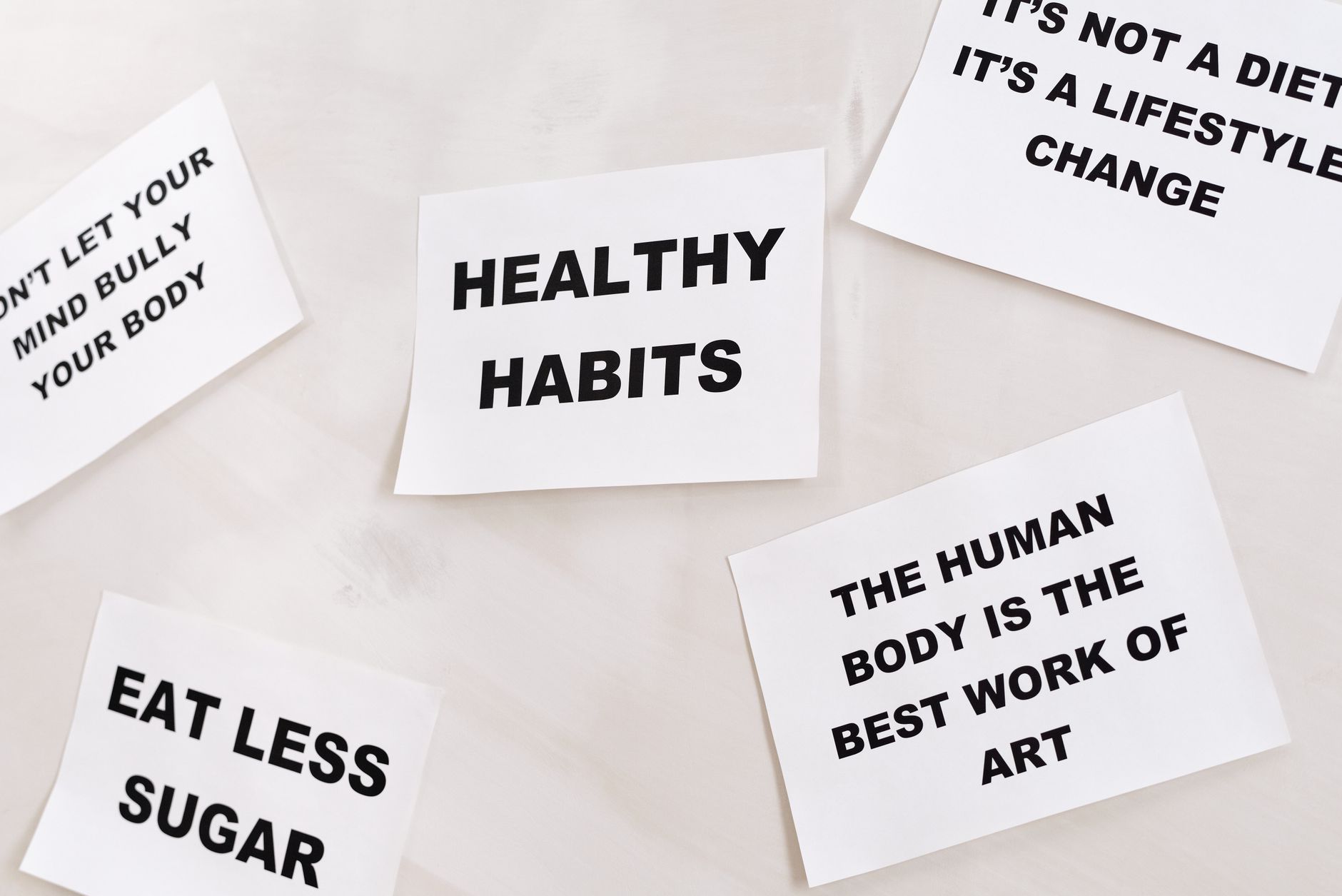
When people think about improving their health, they often imagine dramatic transformations—strict diets, intense workout plans, or completely changing their lifestyle overnight. In reality, lasting wellbeing is usually built through small, consistent actions repeated over time.
Tiny daily habits may not seem significant in the moment, but together they can shape healthier routines, support resilience, and contribute to long-term physical and emotional wellbeing.
Why Small Habits Matter
Our daily routines are made up of hundreds of small decisions, many of which happen automatically. The foods we choose, how often we move, how we respond to stress, and even when we go to bed all influence our overall health.
Trying to change everything at once can feel overwhelming and difficult to maintain. Smaller, manageable changes are often easier to repeat consistently, allowing healthy behaviours to become part of everyday life.
Progress doesn't require perfection—it requires consistency.
1. Focus on One Habit at a Time
One of the biggest reasons healthy routines fail is attempting too many changes at once.
Instead, choose a single habit and practise it until it becomes part of your routine.
Examples include:
- Drinking a glass of water after waking up
- Taking a 10-minute walk after lunch
- Going to bed 15 minutes earlier
- Eating one additional serving of vegetables each day
Once a habit feels natural, you can gradually introduce another.
2. Make Healthy Choices Easy
The environment around you has a powerful influence on daily decisions.
Simple adjustments can make healthy habits easier to maintain:
- Keep fresh fruit visible in the kitchen.
- Prepare healthy snacks in advance.
- Leave walking shoes by the door.
- Keep a reusable water bottle nearby.
- Charge your phone outside the bedroom at night.
Reducing barriers often makes consistency much easier.
3. Build Habits Around Existing Routines
Attaching a new habit to something you already do every day makes it easier to remember.
For example:
- Stretch after brushing your teeth.
- Take several deep breaths before starting work.
- Drink water before your morning coffee.
- Go for a short walk after dinner.
These small "habit anchors" help new routines become part of everyday life.
4. Celebrate Small Progress
Healthy change rarely happens overnight.
Rather than focusing only on major milestones, acknowledge smaller achievements along the way.
Every healthy meal, short walk, good night's sleep, or mindful pause is another step toward building a sustainable lifestyle.
Small wins help reinforce positive habits over time.
5. Expect Setbacks
Everyone experiences busy days, unexpected challenges, or periods when routines become difficult to maintain.
Missing one healthy habit doesn't erase your progress.
Instead of aiming for perfection, simply return to your routine at the next opportunity.
Consistency over months matters far more than any single day.
6. Take Care of Both Body and Mind
Physical health and emotional wellbeing are closely connected.
Healthy daily habits may include:
- Regular movement
- Balanced nutrition
- Quality sleep
- Staying hydrated
- Spending time outdoors
- Connecting with friends and family
- Practising relaxation techniques
Supporting both physical and emotional health creates a stronger foundation for long-term wellbeing.
7. Create Time for Recovery
Productivity is valuable, but recovery is equally important.
Building regular moments of rest into your day can help support balance and reduce the effects of ongoing stress.
Recovery might include:
- Taking short breaks during work
- Practising mindful breathing
- Reading a book
- Listening to calming music
- Spending quiet time in nature
Small recovery habits can become just as valuable as active ones.
Building Healthy Habits Takes Time
Research consistently shows that developing new habits is a gradual process. The exact timeline varies from person to person and depends on the habit itself.
Rather than asking, "How quickly can I change?" a more helpful question is, "What small action can I repeat today?"
Over time, those repeated actions become routines, and those routines become part of a healthier lifestyle.
Supporting Your Wellness Journey
Everyone's path toward better wellbeing is unique. Alongside healthy lifestyle habits, some people choose complementary wellness approaches that help them become more aware of how their body responds to everyday stress and recovery.
Quantum biofeedback sessions are used by many wellness practitioners as a non-invasive, complementary approach to encourage greater awareness of stress patterns, relaxation, and overall balance. Rather than replacing healthy daily habits or medical care, they may form part of a broader wellness routine that supports the body's natural self-regulation.
The Power of Small Steps
Lasting change doesn't usually happen through one life-changing decision—it grows from hundreds of small choices made consistently over time.
Every healthy meal, every short walk, every restful night, and every mindful pause contributes to your overall wellbeing. While each step may seem small on its own, together they can build a healthier, more balanced lifestyle that supports you for years to come.