
Smart Living Made Simple: The Benefits and Design of Modern Storage Beds
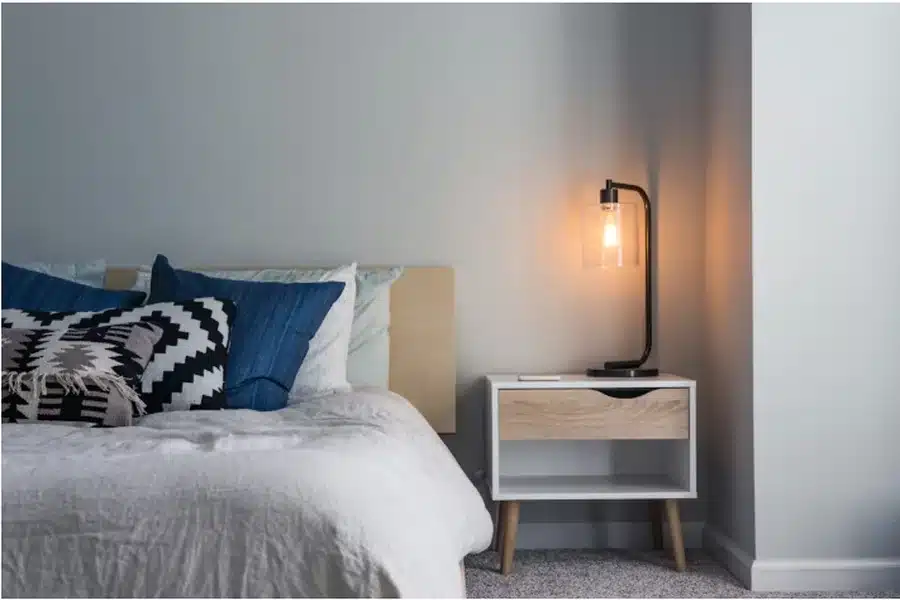
Storage beds have emerged as an effective response to the growing demand for space-efficient furniture in contemporary homes. As urban living spaces continue to shrink, especially in densely populated cities like Singapore, multifunctional furniture has become essential. Among these, storage beds stand out for their ability to combine comfort, style, and practicality in a single piece. Products such as the HipVan storage bed in Singapore reflect this trend, offering integrated storage solutions designed to optimise limited bedroom space without compromising on aesthetics.
The Function and Value of Storage Beds
The primary advantage of storage beds lies in their ability to maximise unused space. In most traditional bed designs, the area beneath the mattress remains empty, effectively wasted. Storage beds address this inefficiency by transforming that space into practical storage compartments. This design is particularly valuable in compact homes where every square metre counts.
Beyond space-saving benefits, storage beds also contribute to better organisation. They reduce the need for additional storage furniture such as bulky wardrobes or cabinets, allowing bedrooms to remain more open and visually uncluttered. As a result, they support a cleaner and more minimalist living environment, which has become a preferred design approach in modern interiors.
Types of Storage Bed Designs
Storage beds are available in several configurations, each offering different methods of accessing stored items. The most common types include drawer-based systems, lift-up mechanisms, and open storage compartments.
Drawer storage beds feature built-in drawers along the sides of the bed frame. These drawers slide outward smoothly, providing easy access to stored items without the need to lift the mattress. This design is practical for items used regularly, such as clothing or linens.
Lift-up storage beds, often referred to as ottoman beds, use hydraulic or piston-assisted systems that allow the mattress platform to be lifted. This reveals a large storage cavity underneath the entire bed frame. This type is ideal for storing bulkier or less frequently used items due to its generous capacity.
Another variation includes cubby-style storage beds, which incorporate open compartments at the base of the frame. While less concealed than other designs, they offer quick access and a lighter visual structure, making them suitable for minimalistic interiors.
Design Aesthetics and Material Choices
While functionality is a key consideration, the design of storage beds also plays an important role in interior styling. Manufacturers now offer a wide range of designs to suit different preferences, from sleek modern silhouettes to more classic and traditional forms.
Material selection significantly influences both appearance and durability. Solid wood frames are commonly chosen for their strength, stability, and timeless appeal. They often suit more traditional or natural interior themes. On the other hand, upholstered storage beds provide a softer and more luxurious appearance. These designs often feature fabric or leather-like finishes that add texture and comfort to the bedroom setting.
The combination of materials and design flexibility ensures that storage beds can complement various interior design styles, whether minimalist, contemporary, or classic.
Organisation and Efficient Use of Space
To maximise the benefits of storage beds, proper organisation of the storage compartments is essential. Without structured use, even large storage areas can become cluttered and inefficient over time.
One effective approach is categorisation. Items can be grouped based on their frequency of use. Everyday essentials should be stored in easily accessible drawers, while seasonal items such as winter clothing or extra bedding can be placed in deeper compartments.
The use of storage organisers such as bins, baskets, or fabric dividers also helps maintain order. These tools prevent smaller items from becoming scattered and make it easier to retrieve specific belongings when needed.
Regular maintenance is another important practice. Periodically reviewing stored items ensures that unnecessary clutter does not accumulate, keeping the storage space functional and efficient.
Market Availability and Customisation Options
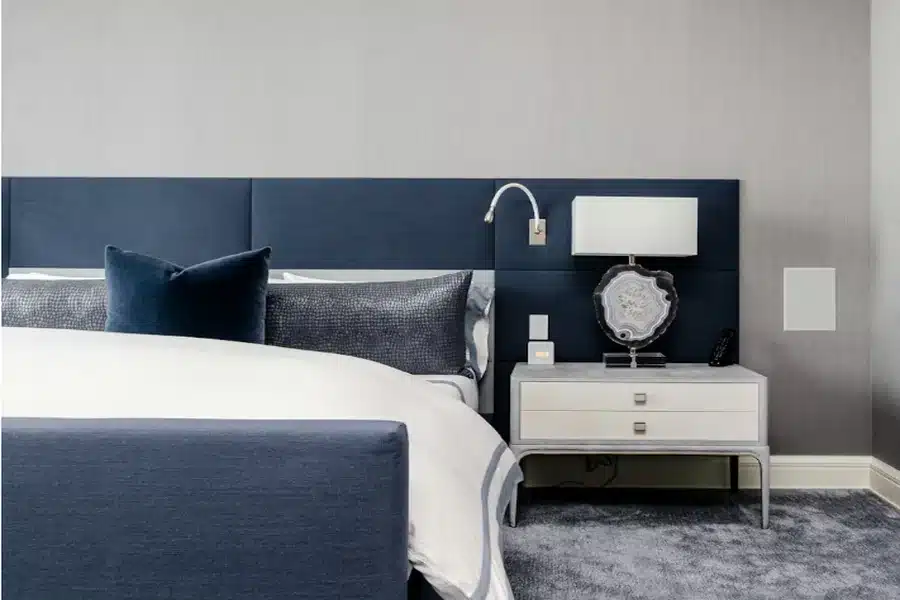
The increasing popularity of storage beds has led to a wide range of options available in the furniture market. Consumers can choose from various designs, price ranges, and functionalities depending on their needs.
Online furniture retailers have further expanded accessibility by offering detailed product descriptions, reviews, and comparison tools. This makes it easier for buyers to select models that suit their space requirements and aesthetic preferences.
Many storage beds also offer customisation options. Buyers can often select frame materials, finishes, storage configurations, and sizes. This flexibility allows individuals to tailor the furniture to their specific lifestyle needs, whether they require multiple drawers or a single large storage compartment.
Accessibility, Durability, and Ease of Use
Ease of use is an important factor in storage bed design, especially for households with elderly individuals or people with mobility limitations. Well-designed hydraulic systems allow lift-up beds to operate smoothly with minimal effort, while drawer systems are typically fitted with gliding mechanisms for easy opening and closing.
Durability is determined by both material quality and construction techniques. High-quality solid wood frames and reliable hydraulic systems tend to provide longer-lasting performance. Proper maintenance also contributes to extending the lifespan of the furniture.
Technological Advancements in Design
Modern storage beds increasingly incorporate technological enhancements that improve convenience and functionality. Advances in hydraulic engineering have made lift mechanisms smoother and safer to operate. Improvements in material engineering have also resulted in lighter yet stronger bed structures.
Some premium models now include integrated features such as LED lighting under the bed frame or built-in USB charging ports. These additions reflect the growing trend of smart furniture that blends traditional functionality with modern technology.
Conclusion
Storage beds represent a practical and efficient solution to modern bedroom challenges. By combining sleeping comfort with integrated storage, they help maximise limited space while maintaining visual order and aesthetic appeal. Their versatility, customisation options, and evolving designs make them a valuable addition to contemporary homes, particularly in urban environments where space optimisation is essential.