
Surveymonkey Pricing For Business And Hr: A Study
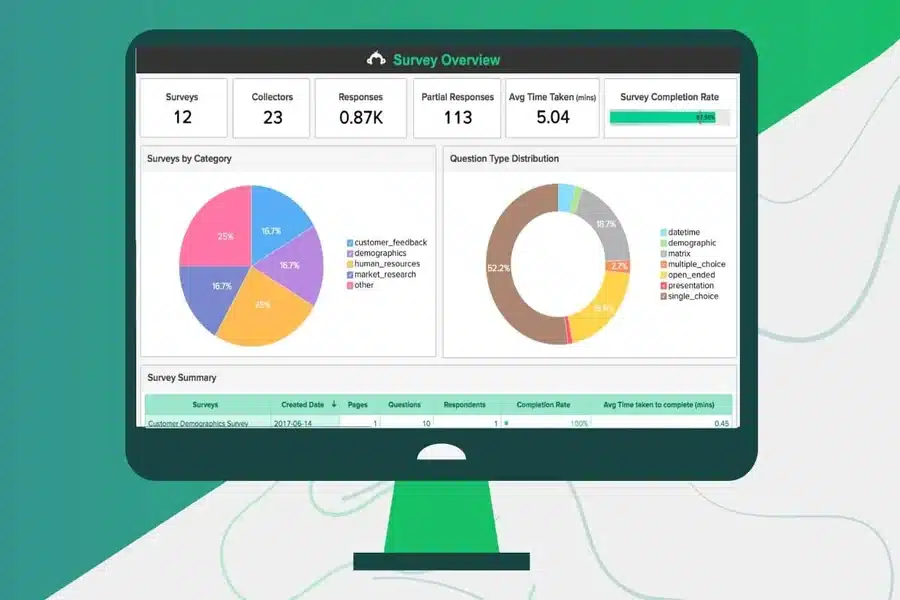
Feedback creates more informed choices. For insights, engagement, and improving operations, businesses and human resources teams often rely on surveys. One of the most common tools for doing this is SurveyMonkey. Organizations can pick the right plan without exceeding their budgets by learning about how its pricing works across various business needs.
SurveyMonkey Pricing Structure at a Glance
SurveyMonkey pricing tiers offer various functionalities and features for businesses. These include everything from plans for the individual user to plans for the enterprise. Every tier includes tools that cater to various use cases. Freelancers or small teams can sometimes manage with basic plans. Larger groups tend to require more collaboration features and access tools. Team Pricing offers solutions such as shared libraries, admin dashboards, and user management. These features help you jointly run and report projects. SurveyMonkey also has higher tiers that respond to emerging needs with more sophisticated features.
Core Features for HR Teams
Human Resource teams often have to send out surveys for their onboarding and training processes, for sharing feedback and performance reviews, and for engagement assessment. HR professionals can run several surveys with a good pricing plan, compare results and visualizations over time, and receive automated insights on possible trends. Other plans offer time-saving templates or logical options to steer respondents through custom pathways. These are also useful while collecting contextualized and specific responses. Custom branding also helps HR teams align surveys with the company brand.
Selecting Ideal Plans as per the Requirements
Evaluating survey frequency and anticipated response volume, as well as collaboration needs, can be useful in determining what plan to choose. Many organizations conduct quarterly employee engagement surveys. Some conduct an exercise to get feedback after each training session. This frequency needs to be reflected in the correct pricing tier. For small teams that merely require basic analytics, a low-end plan will suffice. For teams where multiple departments create surveys or want to see results, team plans offer shared access and permissions control. More sophisticated assessments require logic and data exports.
Pricing Tiers and Factors
Base pricing includes only the core functionality and may charge a fee for any add-ons required. This includes custom integration options, advanced analytics tools, and multilingual survey capabilities. It is important to see if such extras are included in the selected plan or are applicable separately on a billing basis. You may also hit limits on responses. Some plans provide unlimited questions but limit how many responses you can receive in a month. Businesses should therefore review these limits in detail to prevent disruptions or unexpected charges. Certain providers also mandate that you pay on an annual basis, which can disrupt budgeting cycles.
Administrative Controls and Data Security
It’s important to remember that security is a big deal, especially when it comes to personal or sensitive information. Business plans provide more security, such as user authentication, data encryption, and role-based access. It lets only the team members you have approved access to view or edit survey content. Supervisors use administrative dashboards to monitor activity across teams. Users can create roles, restrict access, and view reports on utilization. These attributes minimize the risk of defects and also help maintain consistency in large survey projects with thousands of questions and answers. These controls are highly beneficial for HR departments that deal with confidential feedback.
Good Value and Efficient
Pricing is not just a monetary amount you put on your offering. It also defines the kind of utility that each feature provides. Hence, it’s always best to look for a plan that includes templates, advanced logic, and collaboration tools rather than one that costs less but excludes these key functions. Using such tools, teams can create surveys, gather and analyze data in an effortless manner, and implement findings without delay. In the long run, this will lead to better decision-making, happier employees, and superior performance. Saving time and hassle through useful features may cost a few extra pennies, but it is more than worth it.
Conclusion
Survey tools are critical for capturing information for feedback and improvement. Selecting an appropriate plan with the right balance between cost and functionality enables businesses and HR teams to function seamlessly. With an understanding of pricing structures, an evaluation of plan features, and an assessment of requirements going forward, teams can choose a plan that aligns with their objectives. This is a pragmatic and helpful step to drive progress through data-driven decisions.