
Things to Ask Your Custom Closets Installer to Help
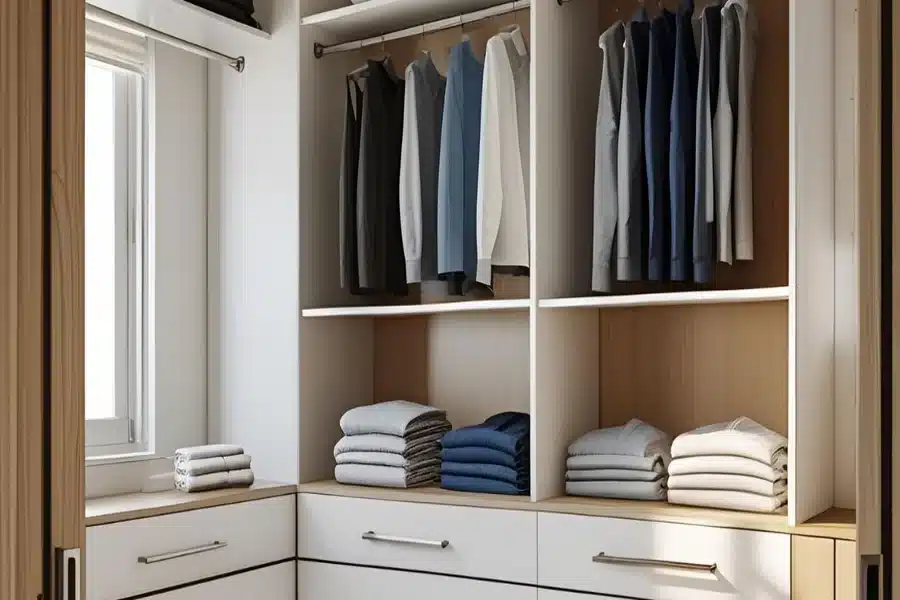
As you fantasize about the ultimate personalized closet, your mind is probably racing to the goodies—shoe walls, soft-close drawers, maybe even a secret laundry basket. But there is something annoying that can absolutely dispel the magic: noise.
We’re talking about the creaky shelf when you reach for the sweater, the slamming drawer even when you’ve attempted to close the drawer quietly, or the jarring of the hanger bar whenever you insert a coat. Annoying, right?
Most of that noise is not wear and tear—more oft than not, it’s the little details you don’t consider in the install. The best news is you can avoid the whole thing with some savvy questioning first.
Start with the Hardware (Yes, Really)
And while you may think the topic is boring, the hardware your Closets Installer installs is more crucial than you think. Weak screws and thrift store plastic brackets will do little to last. They loosen, move, and cause all manner of creak. Demand heavy-duty hardware and metal fasteners—they’re the unsung heroes of a creak-free, sturdy installation.
Soft-Close Drawers = Sanity Saver
You’ll never go back after you experience soft-close drawers. No slamming, no jarring sound—just quiet, smooth glide every time. It’s the subtle upgrade but the difference is massive, like when you don’t want to disturb the whole family on Monday morning.
Shelf Pins: Little but Mighty
They don’t look like much, but shelf pins carry some serious weight—you know, the heavy stuff. Plastic ones are apt to bend or break. Metal pins? They are sturdy and will keep your shelves stationary and creak free. Believe us, you’ll thank us for the difference.
Anchor It Like You Mean It
Your closet should be an integrated part of your home, not something which is going to fall down if you lean into it. That’s where proper anchoring—to the studs in the walls, not the sheetrock itself—is important. It keeps everything in place and eliminates the pesky creaks and groaning.
Level Floors = Quiet Closets
Even brand-new houses don’t have floors or walls perfectly level. A good installer will catch on to this and will use shims to level everything out. If they don’t, your closet is going to creak ever so slightly—and that’s where the squeaking starts.
Select High-Quality Material
Woods are not equal. Particle board is cheaper, but it doesn’t last. For strength and quiet, use MDF or high-density plywood. You don’t have to worry about warping, so you end up with a sturdy, quiet closet.
The Little Things That Can Have Huge Differences
A number of the better technicians go the extra mile of placing foam strips or silicone pads between panels and walls. It’s the subtle touch, but it kills vibration and keeps everything whisper-quiet. You don’t necessarily appreciate it immediately, but you’ll know if you’re losing out.
Ask About the “What Ifs”
The best installation can shift or change. Make sure your installer will offer you a warranty—ideally for at least twelve months. It means they are sure of what they are doing and are in your corner should something have to be corrected.
Because Peace and Quiet Shouldn’t Stop at the Closet Door
A quiet custom closet is not just a luxury, but also a tiny daily refinement to the entire space. So while you’re choosing finishes and planning layout, take some time to talk through the basics which keep everything working quietly in the background. Because the ultimate great closets are not just beautiful—they’re the ones you never even realize are there.