
What Should Homeowners Expect During a Professional Plumber Visit?
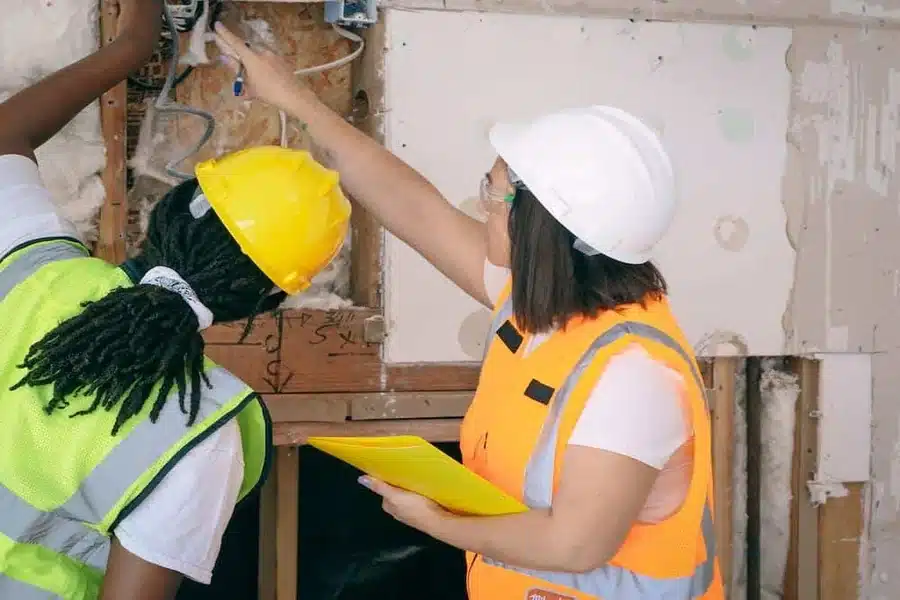
A professional plumber’s visit usually begins long before any repair starts. Homeowners can expect a process that includes questions, inspection, testing, explanation, and a clear outline of what needs attention. The visit is not only about fixing a visible issue, such as a dripping faucet or a clogged drain. It is also about understanding the condition of the plumbing system and determining whether the problem is isolated or part of a larger concern. A well-handled appointment should leave the homeowner with a better sense of what caused the issue, what work is needed, how long it may take, and what steps can help prevent future problems.
What Happens During the Visit
- The Arrival and First Inspection
When a plumber arrives, homeowners should expect the appointment to begin with a conversation about the problem and the home’s recent plumbing behavior. That may include questions about when the issue started, whether it happens all the time or only at certain times, and whether there have been related concerns, such as slow drains, reduced water pressure, damp areas, or unusual sounds in the pipes. This first exchange matters because it helps narrow down possible causes before tools even come out. After that, the plumber typically performs a visual inspection of the affected area and may check nearby fixtures or connected plumbing lines to understand whether the issue extends beyond one room. Homeowners often feel more prepared when they know a plumber is likely to inspect beyond the obvious source of trouble, since plumbing systems are interconnected in ways that can hide the real cause. Many people searching online for help with urgent repairs may type phrases like find a plumber in Oceanside before learning that a proper visit usually involves both investigation and repair planning, not just a quick fix.
- Testing, Diagnosis, and Clear Communication
After the initial inspection, the plumber may begin testing the system to confirm the source of the problem. This could involve checking water pressure, running fixtures, examining shutoff valves, inspecting exposed pipes, or testing drainage flow to see how the system responds under normal use. If the issue is hidden, such as a blockage farther down the line or a leak behind a wall, the plumber may use equipment designed to locate the problem more accurately. During this stage, homeowners should expect direct communication about what is being checked and why it matters. A professional visit should not feel mysterious or rushed. Instead, the plumber should explain what they are seeing, what signs point toward the likely cause, and whether the repair appears simple or more involved. This part of the visit is often where homeowners gain the most clarity, because the problem is translated into practical terms. Rather than hearing vague technical language, they should come away understanding what failed, how it affects the plumbing system, and what options are available moving forward.
- Repair Planning, Work Area Preparation, and Next Steps
Once the issue has been identified, the plumber usually explains the proposed repair and what the work will involve. Homeowners should expect some discussion about materials, labor, timing, and whether the water may need to be shut off temporarily during the repair. If the problem requires more than one possible solution, the plumber may explain the differences between a short-term fix and a longer-lasting correction. Before any work begins, the area may be prepared to reduce mess and protect nearby surfaces. Depending on the job, this could mean laying down coverings, moving small obstacles, or ensuring the workspace is safe and accessible. During the repair itself, homeowners may notice that the plumber checks the system again after each step to ensure the issue is actually resolved rather than merely covered up. At the end of the visit, there should be a summary of what was repaired, what signs to watch for afterward, and whether any additional maintenance or future work is recommended. That final explanation often helps homeowners feel more confident about their plumbing’s condition after the appointment.
Knowing What a Good Visit Feels Like
A professional plumber visit should feel organized, informative, and focused on solving the actual problem rather than rushing through the appointment. Homeowners can expect questions, inspection, testing, explanation, and repair guidance as part of the process. Even when the issue seems small at first, the visit often reveals how one plumbing problem can affect other parts of the home. A strong appointment leaves the homeowner with answers, a clear understanding of the repair, and practical expectations about what comes next. That combination of communication and careful diagnosis is what turns a service call into a useful step toward protecting the home’s plumbing system over time.